Live · Geelong
Geelong Weather Today
21°
Overcast
H:25° L:8° · Feels like 21°
Overcast and dry. High 25°C, low 8°C.
- 21° 25%
- 20° 24%
- 18° 20%
- 18° 16%
- 17° 13%
- 18° 11%
Feels like
21°
Wind
7 km/h N
Humidity
67%
UV index
5
Geelong weather right now
- Today
- Overcast, 21°C now. High 25° / low 8°, dry.
- Tomorrow
- Light drizzle, 23° / 14°, 46% rain chance.
- This weekend
- Sat 14° 64% rain, Sun 15°
Weather in your inbox
Get Geelong weather in your inbox every morning
Today’s briefing
Overcast and dry. High 25°C, low 8°C.
Automated summary based on live conditionsHourly forecast
Next 24 hours
- 21° 25%
- 20° 24%
- 18° 20%
- 18° 16%
- 17° 13%
- 18° 11%
- 17°
- 18°
- 17°
- 18° 14%
- 17° 23%
- 16° 35%
Outlook
Seven-day forecast
- Overcast 25°8° 25% rain
- Light drizzle 23°14° 46% rain
- Light drizzle 14°10° 64% rain
- Overcast 15°9° 22% rain
- Overcast 17°8° 8% rain
- Overcast 25°11° 10% rain
- Overcast 20°16° 41% rain
Right now
Air quality, pollen and comfort
Map
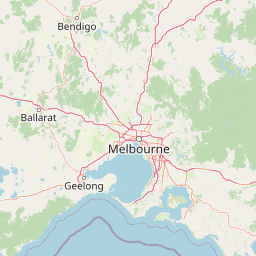
Geelong weather map
What to do today
Walk outside
goodTemperature 21°C, wind 7 km/h and UV 0.
Running
goodTemperature 21°C and wind 7 km/h.
Cycling
goodWind 7 km/h and temperature 21°C.
Outdoor dining
goodTemperature 21°C with a 35% rain chance.
Photography
checkCheck cloud cover and available light before heading out.
Weather questions
Plan your day in Geelong
What is the weather in Geelong today?
Overcast and 21°. The forecast high is 25° and the low is 8°.
Will it rain in Geelong today?
The highest rain chance shown for today is 25%, with 0 mm shown for current conditions.
What is the UV index in Geelong?
The current UV index is 0, with a forecast maximum of 5. The level is Moderate.
What time are sunrise and sunset in Geelong?
Sunrise is at 06:09 and sunset is at 18:20, local time.
Where does the Geelong forecast come from?
Conditions and forecasts use Open-Meteo. Available air quality and pollen readings use CAMS data.
Plan your day
Go beyond the forecast
Pair the forecast with today's local news and things to do in Geelong.