culture
Live music venues are quietly reshaping Geelong's identity as a creative city
From indie rock to jazz, venues across Geelong are attracting younger audiences and building a cultural reputation that extends well beyond the waterfront.
How we reported this
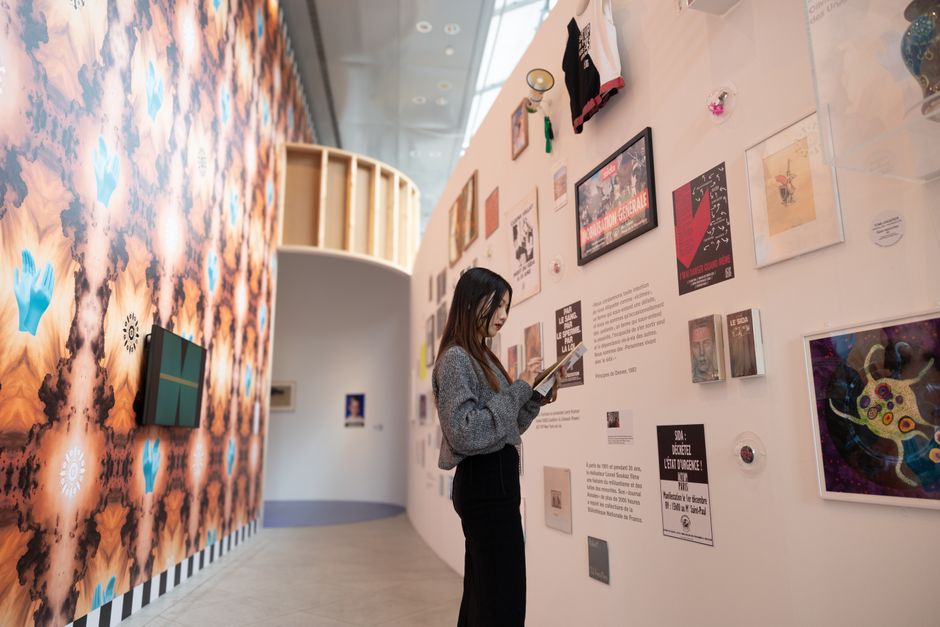
Geelong's live music circuit has expanded dramatically over the past three years, with smaller venues and reimagined performance spaces now anchoring the city's cultural proposition in ways the council never anticipated when it was pouring money into waterfront redevelopment.
The shift matters because it signals something deeper about how regional Australian cities are competing for creative talent and young residents. Melbourne's dominance as a live music hub has been taken as given for two decades, but Geelong is carving out its own ecosystem-one built on intimate venues, lower rental costs, and a growing network of musicians who've decided the Bellarine Peninsula offers something the inner city doesn't. That's a significant recalibration of where Geelong sits in the state's cultural hierarchy.
The Grain Store on Gheringhap Street operates as the city's de facto indie rock headquarters, hosting touring acts most nights and functioning as the de facto community hub for musicians aged 25 to 40. Down the street, Barwon Heads-based promoter Indy Rails has started programming jazz and experimental music at smaller venues, drawing audiences from as far as the Surf Coast. Meanwhile, the basement space at The Lamplighter on Myers Street has morphed into something closer to a Brooklyn-style listening room, with sticky floors and beers served in mason jars.
Numbers tell part of the story. Geelong City Council's 2024 Creative Industries Survey found that entertainment and live performance businesses increased by 18 percent year-on-year, with venue operators citing lower overheads and reduced red tape compared to Melbourne. Ticket prices remain affordable-most live shows at mid-sized venues run between $25 and $45, roughly half what equivalent acts command in the CBD. That's deliberate. Venue owners say it keeps audiences loyal and allows promoters to take risks with lesser-known acts who might not fill a 400-capacity room if tickets cost $60.
The economics of a growing scene
The Geelong Music Festival, held annually in April, drew 6,400 attendees in 2024, up from 3,200 in 2022. Festival director Sarah Chen told me the growth reflects not just better marketing but genuine appetite from locals who want quality programming without driving to Collingwood. The festival's budget increased from $180,000 to just over $400,000 in that same period, funded through council grants, sponsorship from local businesses, and ticket revenue.
What's emerged is a conscious strategy-still unwritten, but visible in how venues book acts and how promoters collaborate. Rather than competing directly with Melbourne's major venues, Geelong's operators are targeting touring acts at the 200-500 capacity sweet spot, bands that might otherwise skip regional Victoria entirely. The Grain Store's booking manager reports that 40 percent of their Friday and Saturday night acts now come from outside Australia, routed through the city because flight costs from Sydney or Brisbane make a single Melbourne show unviable.
The demographic shift is palpable on Gheringhap Street on weekends. Five years ago, the strip was dominated by older diners and chain restaurants. Now you'll find lines of 20-somethings outside The Lamplighter waiting for a sold-out band, many who've moved to Geelong specifically for cheaper rent and shorter commutes. Local real estate agents confirm anecdotally that younger renters increasingly cite proximity to live music venues as a deciding factor when choosing suburbs.
What comes next
The test now is whether this momentum sustains without a major venue collapse. The Grain Store's lease runs through 2028. If ownership changes or costs spike, the whole network becomes fragile. Council has started discussing permanent funding for a dedicated mid-sized venue-capacity 400-600-that could anchor the scene more securely than ad-hoc basement bookings.
For now, Geelong's live music identity remains unofficial, built by word-of-mouth and Instagram rather than tourism campaigns. That's actually an advantage. It feels authentic. But it won't stay under the radar much longer. Once Melbourne's venue operators and booking agents fully grasp that Geelong offers both lower costs and increasingly savvy audiences, the city will face a choice: grow deliberately or watch the scene get commodified by the people it was built to escape.