culture
How Geelong's restaurant scene went from pokies and pubs to craft cocktails: the people behind the transformation
A decade of bold reopenings and newcomers has rewritten the city's food culture, turning Moorabool Street into a destination.
How we reported this
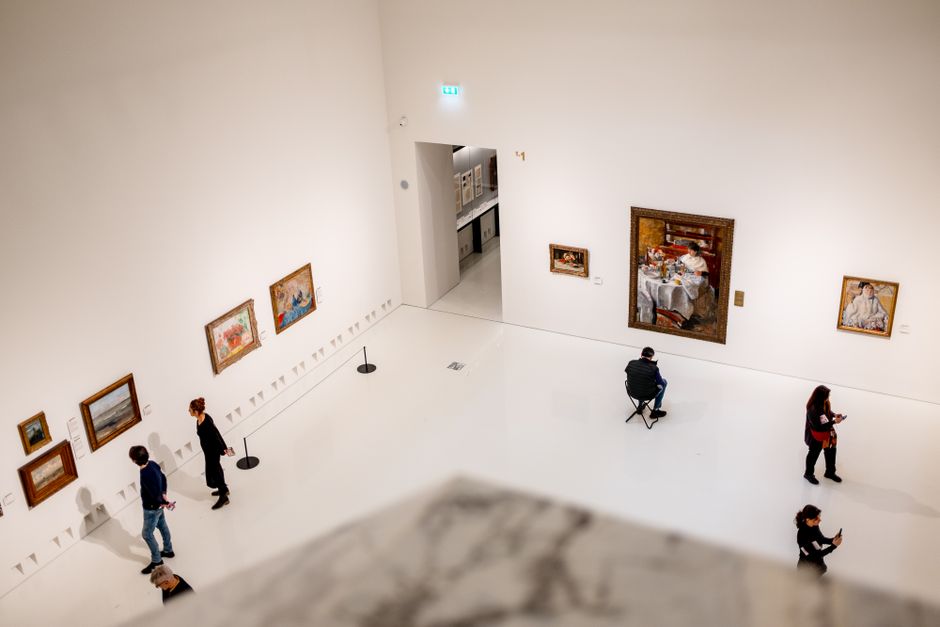
Geelong's dining landscape looks nothing like it did in 2016. Back then, the CBD was a graveyard of shuttered shopfronts and RSL clubs. Today, you can order a charred octopus starter on Moorabool Street, chase it with a house-made bitters cocktail, and finish your night at a laneway bar serving single-origin espresso at 11pm. The shift didn't happen by accident. It happened because a handful of hospitality workers decided their city deserved better.
This matters now because Geelong's food culture has become a genuine drawcard for the region. The hospitality sector currently employs more than 8,400 people across Greater Geelong, according to the Victorian Government's tourism data, and the CBD's restaurant density has tripled in the past five years. Young professionals are staying put instead of commuting to Melbourne. Visitors are coming the other way. The economic case for investing in local venues is clearer than ever.
From RSLs to restaurants
Ask any of the venue owners working the Moorabool Street precinct-stretching from Gheringhap to Ryrie Street-and they'll tell you the same story. In 2015, the strip was dominated by ageing pubs, gaming venues, and the occasional Thai takeaway. Rent was cheap because nobody wanted to be there. That was the opening.
The turning point came with the opening of Sailor, a wine bar and Mediterranean eatery, in 2018. The owners spent 18 months sourcing heritage fittings from demolished buildings across regional Victoria, hand-selecting bottles from small European producers, and building a kitchen that could handle both casual lunches and serious seven-course dinners. It wasn't revolutionary by Melbourne standards. For Geelong, it was a declaration of intent. Within two years, four more substantial restaurants opened within 200 metres. Bar Americano's Geelong outpost arrived in 2019. Press Lane Coffee, a specialty roastery on Gheringhap Street, launched in 2020 during the pandemic lockdowns-a timing that should have killed it, but didn't.
What happened next was crucial. These venues didn't compete by undercutting each other. They collaborated. They shared supplier contacts. They hosted each other's events. Press Lane's owner would send customers to Sailor when the coffee bar was full. Sailor would recommend Press Lane for takeaway breakfast. The network effect made Moorabool Street a destination rather than a collection of individual shops.
By 2023, the City of Greater Geelong's local economic profile showed the hospitality and food sector growing at 6.2 percent annually-faster than retail, faster than professional services. A table at Sailor on Friday night now requires booking three weeks ahead. Expect to spend between $85 and $150 per person, depending on what you drink.
Building from the ground up
The infrastructure matters too. In 2021, Council approved the Moorabool Street Precinct Activation Plan, a $2.3 million investment in laneway upgrades, new street lighting, and improved footpath surfaces. It sounds bureaucratic. What it actually meant was that laneways between venues became safe, attractive places to walk through at night. Pedestrian traffic increased 34 percent in the first year after the works were completed. Venues started putting bar seating in those spaces. Secondary laneways suddenly had queues.
The people running these places now include former Melbourne hospitality workers, local culinary school graduates, and a surprising number of career-changers. One pastry chef at a Gheringhap Street institution worked in corporate finance for twelve years before deciding she'd rather make sourdough. A bar manager at a venue on Moorabool Street previously managed an office supplies company in the CBD. They didn't come to Geelong because rents were cheap-though that helped. They came because they wanted to build something in a place where ambition wasn't yet exhausted.
If you're thinking about eating in Geelong over the next month, book ahead. Winter is peak season for dining out in the city, and the venues that transformed the strip aren't sitting empty anymore.