culture
From Wool Capital Sidekick to Festival Hub: How Geelong Rewrote Its Cultural Calendar
Three decades ago, the city's event calendar was thin. Now it's packed. Here's how a struggling regional centre engineered one of Victoria's most vibrant festival scenes.
How we reported this
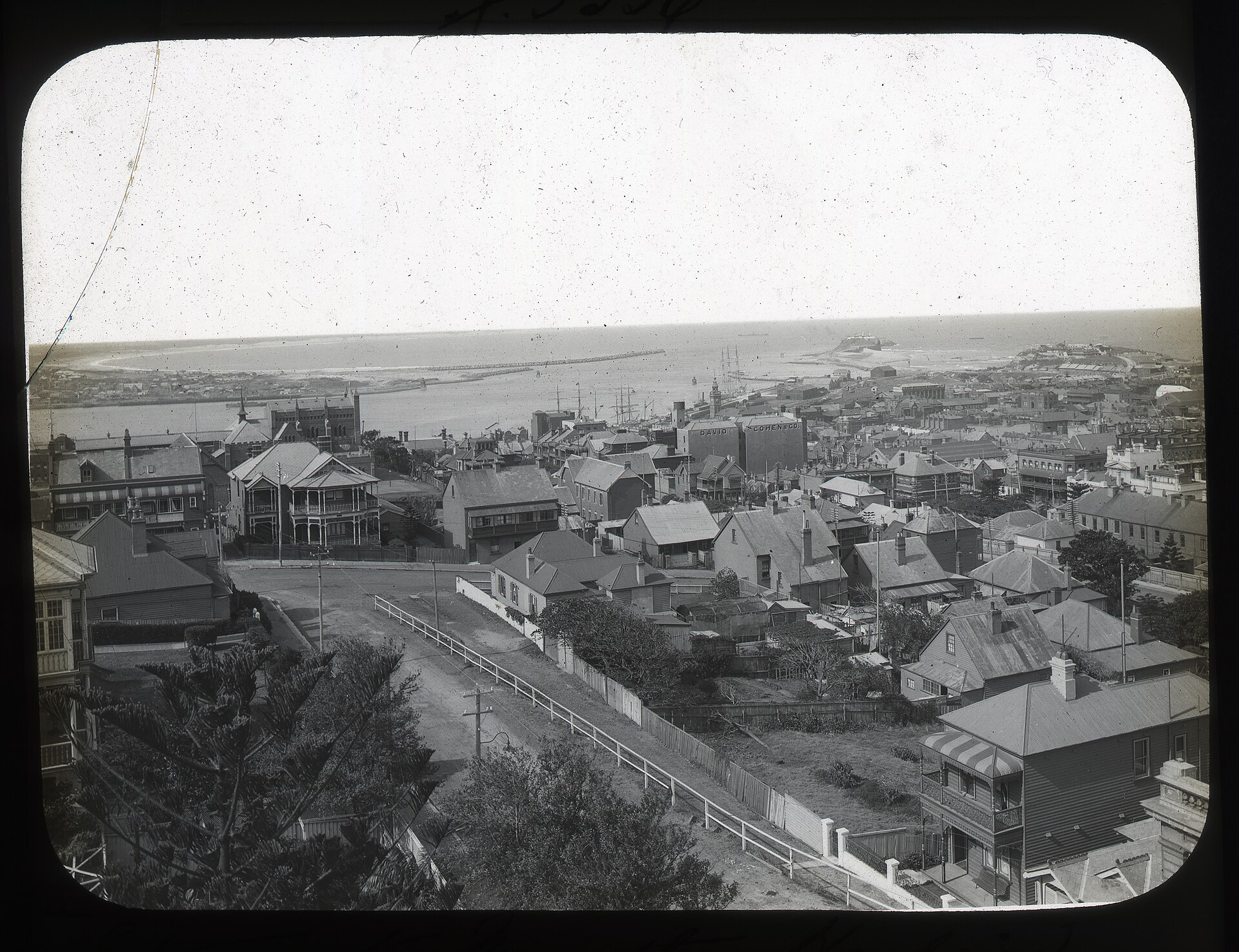
Geelong's festival calendar didn't arrive fully formed. It was built, brick by brick, crisis by crisis, from the wreckage of a city that watched its wool industry collapse in the 1980s and 1990s.
Today, the waterfront precinct hosts more than 40 major events annually. The Geelong Festival runs across September. Summer brings the Pako Festa and the Geelong Revival festival. Winter means the Geelong Comedy Festival. Yet walk through the city in 1995, and you'd struggle to find three events worth marking on a calendar.
The transformation wasn't accidental. When Geelong's manufacturing base fractured-the Alcoa smelter closed, textile factories shuttered, the wool market vanished-the city had two choices: retreat or reinvent. Tourism and culture became deliberate economic weapons.
The Geelong Performing Arts Centre, which opened on Gheringhap Street in 1975, had been a lonely beacon in a city struggling to justify its existence beyond heavy industry. By the early 2000s, the council began asking hard questions. Why did Melburnians travel past Geelong to festivals elsewhere? What would make people stay?
Building From Scratch
The answer involved three key moves. First came the waterfront restoration. Deakin University's presence in South Geelong-anchored by the Alfred Deakin Institute for Citizenship and Globalisation and various campuses along Gheringhap Street-created a cultural constituency. Second, the council invested directly in event infrastructure. Third, they recruited festival operators who understood how to brand a regional city.
The Geelong Festival, formally established in 2010, became the flagship. It wasn't invented overnight. Rather, the council absorbed smaller community events, integrated them into a cohesive calendar, and marketed aggressively across Melbourne. Entry to most Geelong Festival events remains free or costs between $15 and $40-undercutting comparable Melbourne festivals deliberately.
Walk Gheringhap Street now and you'll see the evidence everywhere. The Geelong Gallery reopened in 2021 after a $43.2 million redevelopment. The Geelong Library and Heritage Centre, rebuilt in 2011, sits near Johnstone Park. Both venues host festival programming. The City Museum, tucked into Crown Street, programs exhibitions that align with summer and winter event cycles.
Pako Festa, the Italian cultural festival held each November, draws around 15,000 visitors. The Geelong Comedy Festival attracts audiences from across regional Victoria to venues like the Dolphin Hotel and smaller theatres on Myers Street. The Geelong Waterfront Festival in February blends food, live music, and art installations across the foreshore reserve.
The Numbers and the Future
Local venue operators report that festival weekends now drive occupancy across Geelong's hospitality sector to 75-85%, compared to the 45-55% baseline before 2010. Hotels like the Novotel Geelong Centre and Premier Inn increasingly market packages around festival dates. Restaurants and cafes along the streetscape of Moorabool Street and Gheringhap Street staff up for event weekends.
The transformation hasn't been smooth. Funding remains precarious. The Geelong Festival operates on an annual budget of around $1.2 million-substantial for a regional event but modest compared to Melbourne's major festivals. Council funding, state grants through Creative Victoria, and corporate sponsorship keep events afloat. The 2024 state budget allocated $175,000 to the Geelong Festival specifically, part of broader arts funding, though advocates argue the city needs more.
What comes next? The council is planning to extend the festival calendar into autumn with a dedicated arts festival, expected to launch in 2027. The Geelong Performing Arts Centre is being expanded. There's talk of repositioning Geelong not as Melbourne's satellite but as a destination in its own right.
If you're planning a visit, start with the Geelong Festival website for current dates. The waterfront remains the epicentre, but increasingly events scatter across Johnstone Park, the Geelong Gallery precinct, and venues deeper into town. Book accommodation early. The city that once struggled to justify its existence on the cultural map now has a problem solving it: too many events, not enough beds.