culture
Geelong's Live Music Venues Battle Rising Costs, Changing Habits
High production costs and a shift in late-night habits are reshaping the city’s nightlife, leaving smaller stages scrambling for survival while major acts dominate the headlines.
How we reported this
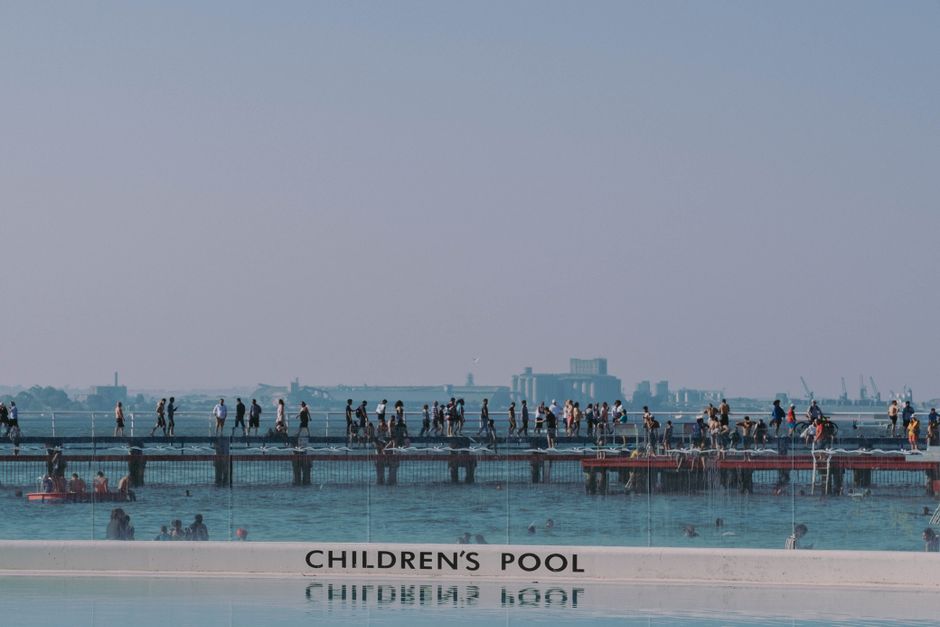
Geelong’s live entertainment landscape is undergoing a sharp contraction this July, as mounting insurance premiums and labor costs force independent venues to rethink their programming. While the Geelong Arts Centre continues to draw capacity crowds for high-profile productions, the independent pubs and dive bars that serve as the lifeblood for local musicians are struggling to keep their doors open after midnight.
This shift matters because the city’s cultural identity is tied to its accessibility. For decades, the corridor between Little Malop Street and Moorabool Street provided a pipeline for emerging artists to reach wider audiences. Now, bar managers report that the combination of the state's cost-of-living crisis and a marked change in social habits-with many patrons heading home before the final act-has stripped away the thin margins necessary to sustain small-scale touring shows.
The squeeze on local stages
The Barwon Club Hotel, a pillar of the local scene, recently adjusted its booking strategy to prioritize ticketed events over traditional Friday night free-entry shows. Meanwhile, the Workers Club has seen a 15% increase in operational overheads since January, forcing them to increase the average cover charge for local gigs from $10 to $18 to cover sound engineer fees and security staffing. These rising costs are creating a two-tiered system where only established, high-draw acts can justify the risk of a regional stop.
Data released by the City of Greater Geelong suggests that while foot traffic in the CBD on Saturday nights remains comparable to last year, the average per-person spend within live music venues has dropped by roughly 22% compared to the 2024 fiscal year. The June temperature records across the state, which hit an unprecedented high, have ironically exacerbated the issue; the unseasonably mild winter nights have seen more crowds opting for outdoor social gatherings rather than traditional indoor, multi-band bar showcases.
What happens when the music stops
Local promoters are now pivotally looking toward the 'Live Music Local' grant program to bridge the shortfall, but many owners suggest the funding cycle is too sluggish to address the immediate cash-flow problems. The threat is not the end of music in Geelong, but the professionalization of the sector out of reach of the amateur and semi-professional tiers that feed the ecosystem.
For those looking to support the scene, the message from venue managers is simple: pay the door fee. Skipping the cover charge is no longer a sustainable option if these spaces are to remain viable through the winter months. As we head into late July, upcoming performances at the Piano Bar and the Wool Exchange are expected to test whether the local appetite for live performance can weather the current economic shift.