culture
Geelong’s Creative Renaissance: The community and movement driving this cultural shift
A grassroots push for expanded gallery spaces and community-led programming is transforming the city's identity from industrial hub to regional cultural powerhouse.
How we reported this
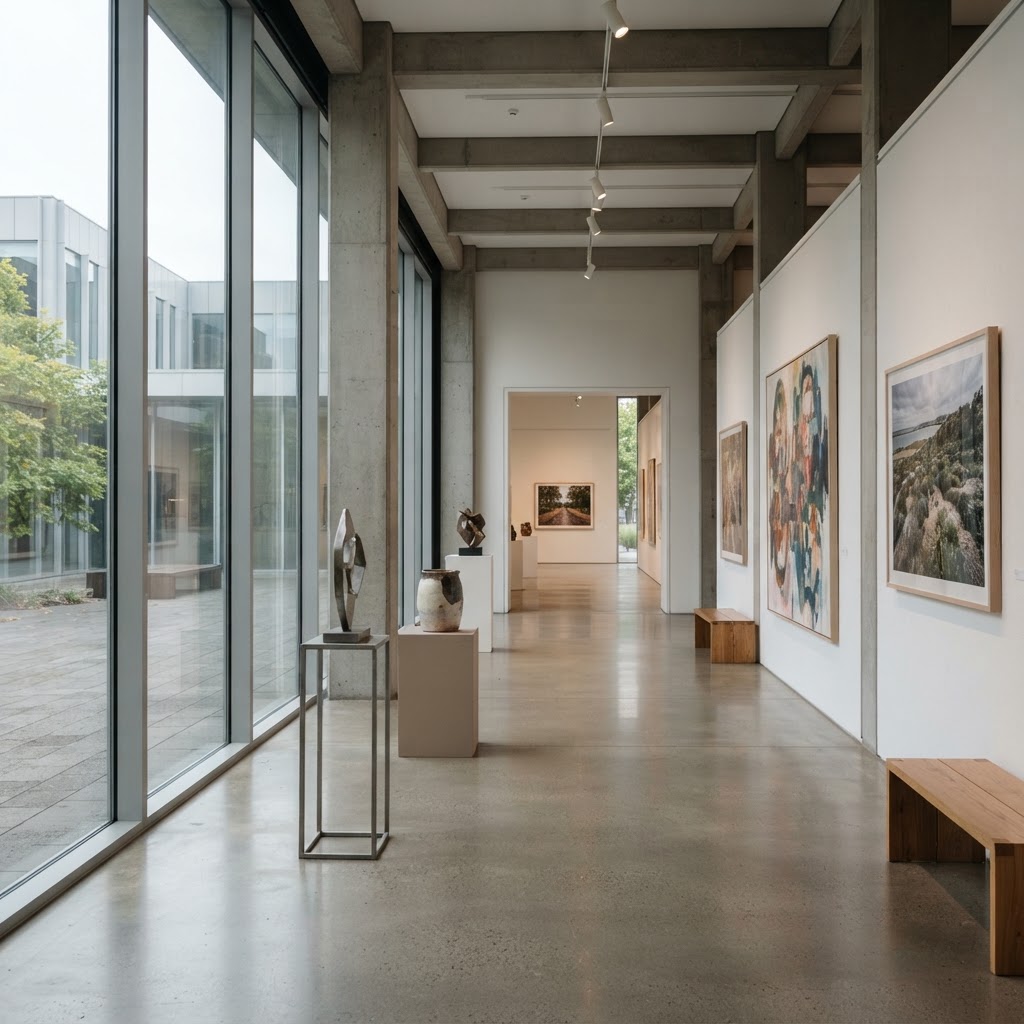
Geelong’s cultural footprint is expanding as local artist collectives and independent curators reclaim urban spaces, moving beyond traditional institutional boundaries to redefine the city’s identity. The shift is visible from the waterfront to the repurposed warehouses of the inner suburbs, where residents are increasingly prioritizing civic art initiatives alongside traditional infrastructure projects.
The grassroots engine of Geelong's galleries
The momentum is anchored by hubs like the Geelong Gallery on Little Malop Street, which has increasingly integrated local feedback into its exhibition planning. This shift toward community-led curation is echoed at the National Wool Museum, where recent efforts have moved to highlight the intersection of local industrial history and contemporary practice. These institutions are no longer static displays of heritage; they are becoming meeting points for neighborhood groups and creative guilds that have spent the last several months coordinating pop-up showcases throughout the CBD.
Data and community investment
This movement is supported by a measurable uptick in regional engagement with the arts. Public records from the City of Greater Geelong indicate that funding allocations for community-led cultural programs have remained a priority, with local arts organizations reporting consistent foot traffic through the cooler winter months. In the most recent budget cycle, local arts spending has been underscored by a focus on long-term accessibility, ensuring that programs remain sustainable for both the institutions and the artists involved.
For those looking to engage with this shift, the most effective approach is to visit the independent studio spaces located near the intersection of Moorabool and Ryrie Streets. These venues frequently host workshops and public viewings that do not require prior booking. As the city continues to integrate its industrial heritage with modern creative spaces, the collaboration between council planners and local creators remains the primary driver of this ongoing transformation.