culture
The History and Evolution of Geelong's Local Culture Scene
Geelong's arts community has shifted from scattered industrial-era gatherings to a structured network of venues and programs that now draw steady crowds.
How we reported this
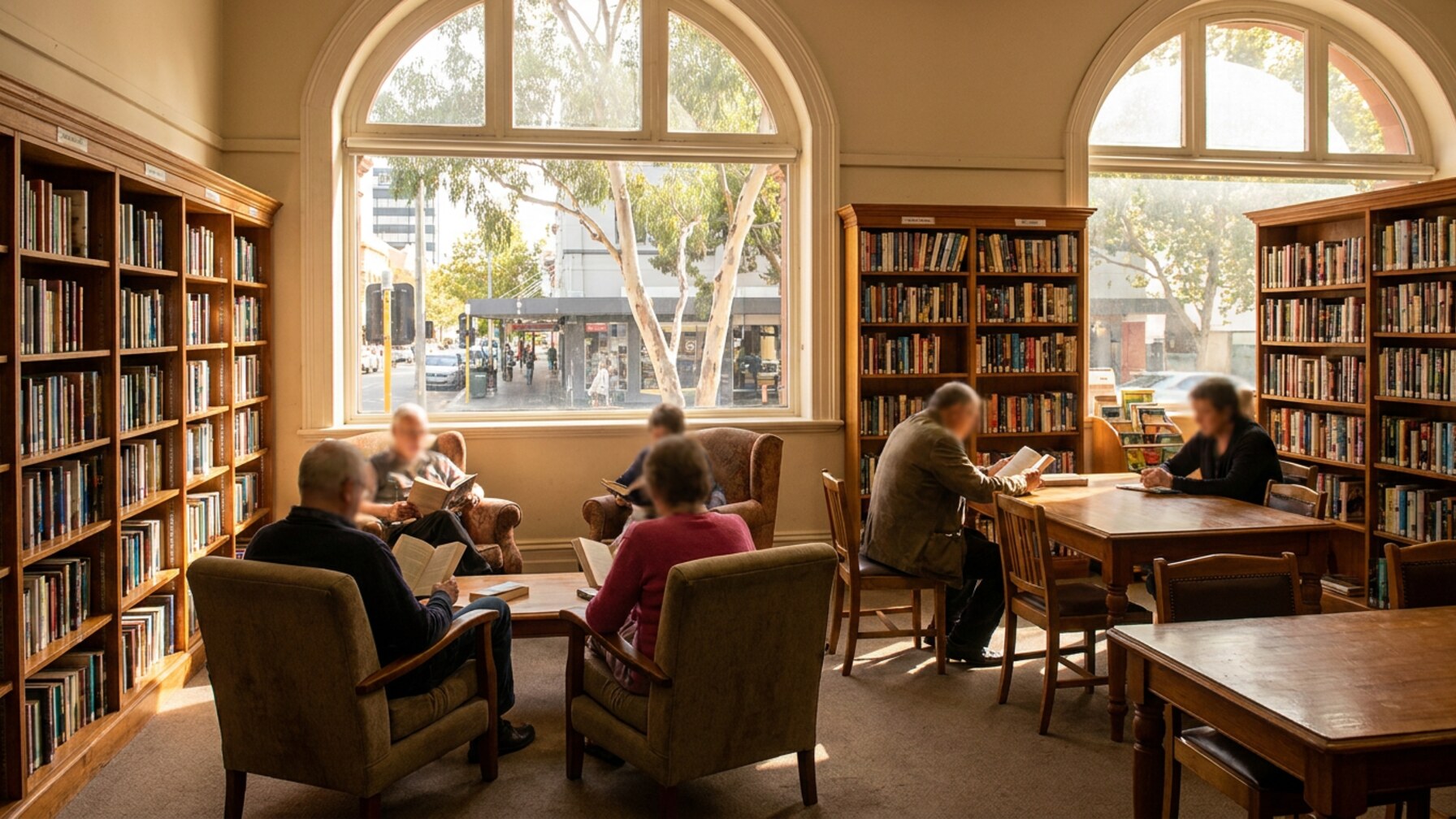
Geelong Gallery on Little Malop Street reopened its main exhibition halls last week after a two-year upgrade that restored sections built in 1927 while adding digital display systems.
The timing aligns with renewed interest in how the city moved from its manufacturing base toward organised cultural activity after the 1980s factory closures. Residents now expect regular programming rather than occasional pop-ups, and local councils have adjusted funding rounds to match that demand.
Venues that shaped the change
Two longstanding sites illustrate the shift. The Geelong Arts Centre on Ryrie Street began as a single theatre in 1981 and expanded in stages to include three performance spaces and a studio for emerging groups. Further along Moorabool Street, the National Wool Museum opened its doors in 1988 inside a former wool store and now runs rotating exhibitions on local industry alongside contemporary craft displays. Both locations host weekly workshops and maintain archives that document the transition from union hall meetings to ticketed events.
Attendance records kept by the Geelong Regional Library show 48,000 visits to cultural programs across these sites in the 2024-25 financial year, up from 19,000 in 2005. Entry to most exhibitions costs $12 for adults, with free sessions for school groups on Tuesdays.
Next steps for visitors
Check the Geelong Arts Centre website for the July program, which includes a film series on the waterfront and a market on Little Malop Street every second Saturday. Advance bookings open seven days ahead and sell out for weekend slots.