culture
The History and Evolution of Geelong's Local Culture Scene
Geelong's culture scene has developed through successive layers of community activity and adaptation over decades.
How we reported this
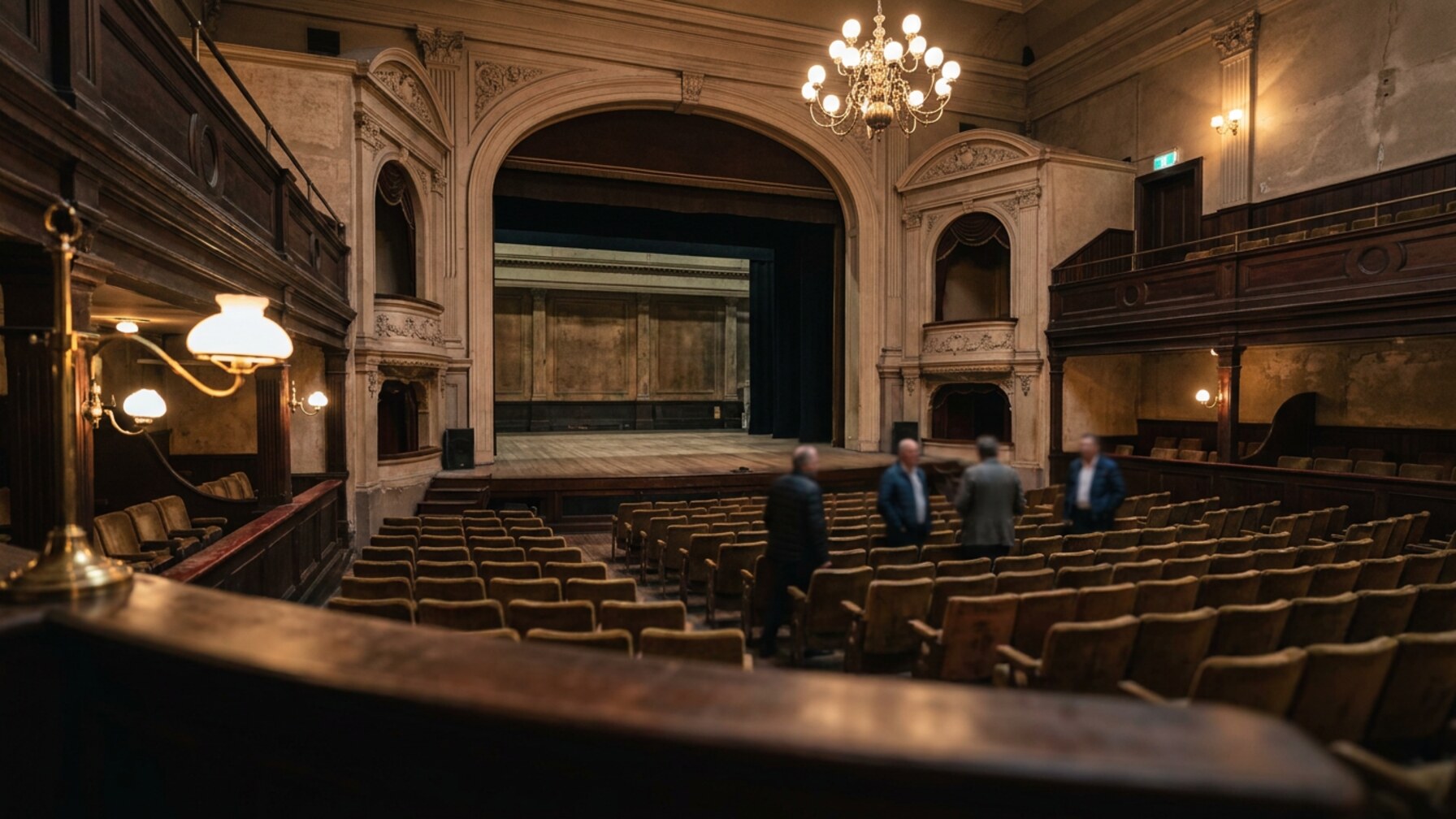
Geelong maintains a culture scene shaped by ongoing changes in how residents gather, create and share artistic work.
The topic gains attention at present because local audiences continue to seek familiar yet updated forms of expression amid shifts in daily routines and external influences.
Foundations of Local Activity
Initial expressions of culture in the area relied on informal meetings and shared spaces that allowed residents to experiment with performance, visual arts and storytelling. These practices gradually incorporated new participants and formats as the city grew, creating continuity between earlier efforts and later organised programs.
Qualitative accounts describe a pattern in which each generation built upon existing habits rather than replacing them entirely. Venues and meeting points served as anchors, permitting both established groups and newcomers to contribute without requiring large-scale infrastructure at every stage.
Adaptation Across Periods
Over time the scene incorporated influences from outside the region while retaining core local characteristics. Participation expanded through repeated cycles of trial and adjustment, with emphasis placed on accessibility for different age groups and backgrounds.
Evidence of this evolution appears in the sustained presence of recurring events and the emergence of hybrid formats that combine traditional elements with contemporary approaches. The process remains driven by resident involvement rather than top-down directives.
Observers can follow current listings through established local arts directories and council communications to identify active groups and upcoming sessions. Regular attendance at open events provides the most direct way to trace how practices continue to shift.