finance
Geelong’s Economy Explained: How a Manufacturing City Reinvented Itself
Few Australian cities have remade their economic base as visibly as Geelong, which moved from heavy industry towards services, advanced manufacturing, health and education after the loss of two of its biggest employers.
Listen in English · 5 min
How we reported this
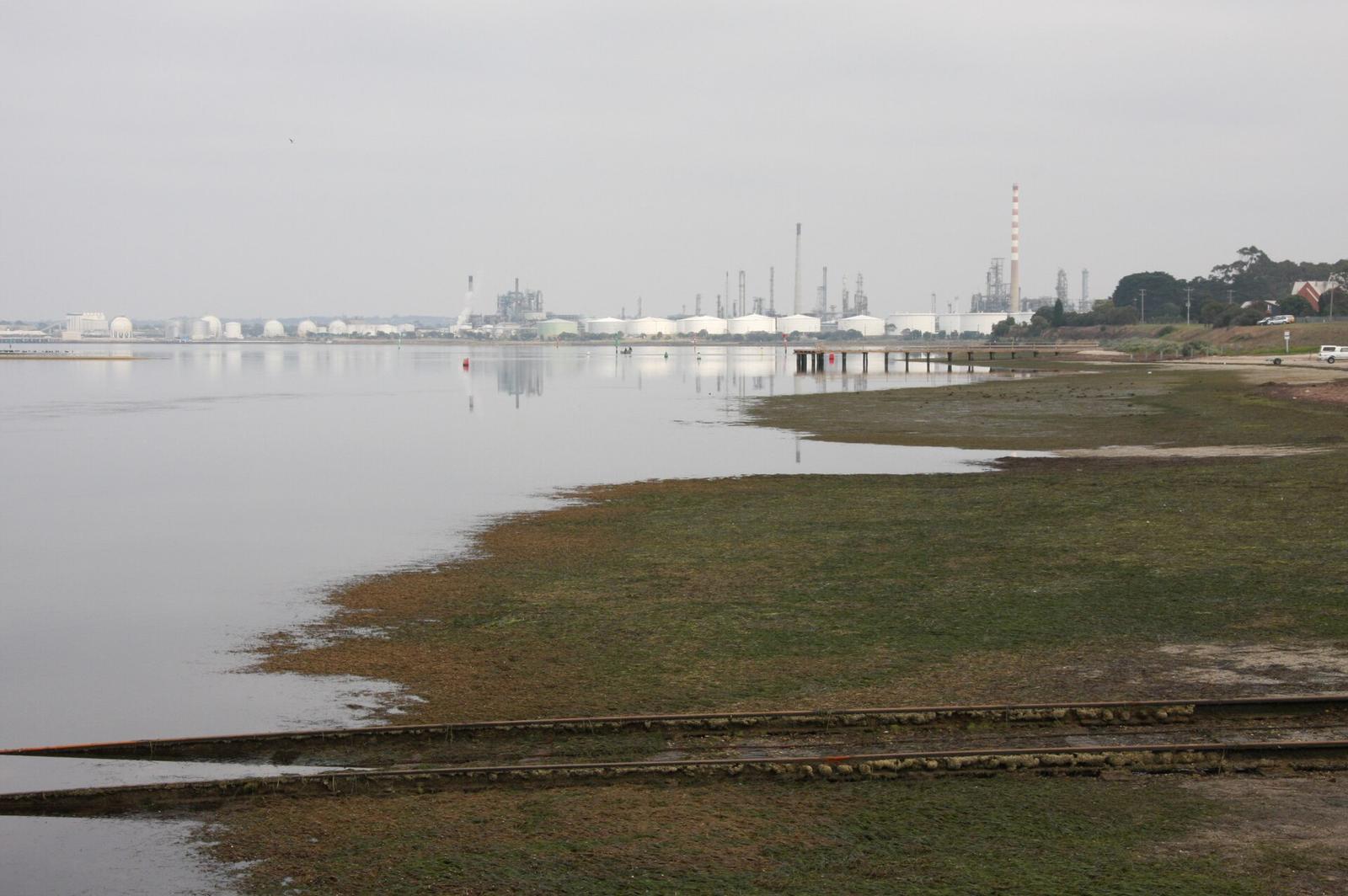
This is a general explainer about the Geelong economy and is not financial or business advice, and the detailed figures involved change over time. What makes Geelong distinctive among regional Australian cities is the speed and scale of its reinvention. For most of the twentieth century the city, on Wadawurrung Country at the head of Corio Bay, was defined by big factory employers, in particular the Ford Motor Company plant and the Alcoa aluminium smelter at Point Henry. The winding down of Ford manufacturing and the closure of the Alcoa smelter in the middle of the 2010s removed thousands of long standing industrial jobs and forced a deliberate pivot. Understanding Geelong today means understanding how the city absorbed those closures and built a broader, more diversified base in their place.
Rather than collapse, the local economy broadened. Governments at the state and federal level, working with regional bodies, channelled transition support into new sectors and into retraining displaced workers. According to the Australian Bureau of Statistics, Geelong is one of the largest urban centres in Victoria outside greater Melbourne and has continued to grow in population, which has supported demand across construction, retail, health and personal services. The lesson of the Ford and Alcoa closures is that a single dominant employer can leave a city exposed, and much of the public policy effort since has been aimed at spreading economic activity across more industries so that no future shock lands as heavily.
Advanced manufacturing did not disappear from Geelong, it changed shape. The city has positioned itself around carbon fibre and composite materials research, much of it linked to Deakin University and its research facilities in the region. Deakin is one of the larger employers in the city in its own right and anchors a knowledge economy that spans engineering, health sciences and applied research. The presence of a major university campus, alongside specialist manufacturing and materials work, has helped Geelong move up the value chain towards higher skilled production and research and development rather than competing purely on the volume assembly that left.
Trade and logistics remain central. The Port of Geelong, managed under arrangements overseen by the Victorian Government, is one of the state's significant ports and handles bulk commodities including grain, fuels, fertilisers and other freight. Nearby, Avalon Airport sits between Geelong and Melbourne and has operated both passenger and freight services along with aviation maintenance activity. Together the port and the airport give the region transport infrastructure that few comparable cities possess, and they continue to shape industrial land use and investment decisions across the western and northern fringes of the urban area.
A defining feature of the modern Geelong economy is the relocation of significant public sector organisations to the city centre. The National Disability Insurance Agency, which administers the National Disability Insurance Scheme, established its head office in Geelong, and the Transport Accident Commission, a Victorian Government insurer, is also headquartered there. These relocations brought white collar administrative and professional employment into the central business district, supported demand for modern office space, and helped reframe central Geelong as a services and government hub rather than only a manufacturing town. The public administration, health care and social assistance sectors are now major sources of local employment.
Health, care and education together form one of the largest pillars of the local economy. The growth of the National Disability Insurance Scheme administration, combined with established hospital and aged care services and Deakin's health research, has made care related work a substantial and relatively durable source of jobs. The Australian Bureau of Statistics consistently identifies health care and social assistance as a leading employing industry across much of regional Victoria, and Geelong reflects that pattern strongly. For residents and prospective residents this matters because care and education jobs tend to be less exposed to the swings that once affected the city's factories.
Tourism and lifestyle have also become economic assets rather than afterthoughts. Geelong's waterfront redevelopment, its role as a gateway to the Great Ocean Road and the Bellarine Peninsula, and a growing food, wine and events scene have supported hospitality and visitor spending. The City of Greater Geelong and Victorian tourism bodies have promoted the region as both a place to visit and a place to relocate to, particularly for those seeking an alternative to Melbourne housing costs. Population driven demand has in turn fed a long running construction and residential development cycle, although housing affordability and supply remain ongoing local issues that shift with broader market and interest rate conditions.
For students, investors and prospective residents, the durable picture is of a city that has consciously diversified. The risks that come with any regional economy still apply, including exposure to national interest rate settings tracked by the Reserve Bank of Australia, to construction cycles and to changes in government funding. But the breadth that Geelong built after Ford and Alcoa, spanning advanced manufacturing and materials research, port and airport logistics, public administration, health and care, education and tourism, gives the local economy more shock absorbers than it had a decade ago. Anyone making decisions about the city should treat this as background context and seek current, specific data and independent professional advice before acting.
Sources: City of Greater Geelong, Australian Bureau of Statistics, Deakin University, National Disability Insurance Agency, Transport Accident Commission, Reserve Bank of Australia.