community
Geelong Transforms Waterfront Into Region's Most Significant Public Asset
The redeveloped Corio Bay waterfront is the most significant investment in Geelong's public amenity.
How we reported this
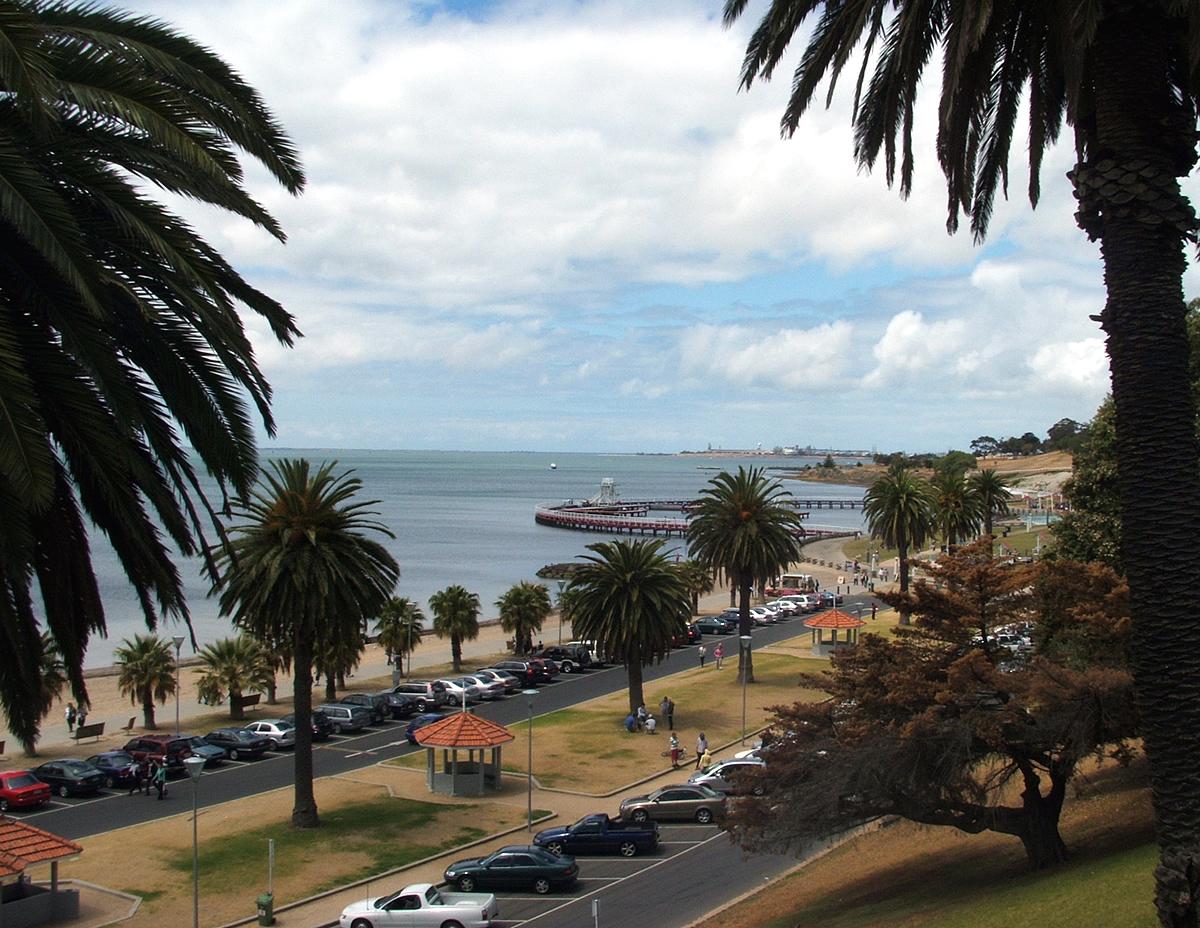
The Geelong waterfront redevelopment, transforming the former industrial foreshore of Corio Bay into the continuous public promenade and entertainment precinct that now defines the city's public face, is one of regional Victoria's most successful urban renewal projects. The combination of the restaurant and bar strip on the pier and waterfront buildings, the carousel and children's playground, Eastern Beach's historic swimming enclosure, the Cunningham Pier restaurants, and the walking and cycling path that extends along the bay creates the waterfront amenity that Geelong's population uses throughout the year and that visitors from Melbourne make day trips specifically to experience.
Eastern Beach, the heritage swimming enclosure that has been a Geelong summer institution since 1929, provides the protected bay swimming experience that families prefer to the open water of the bay. The enclosure's recent restoration, which has maintained the heritage structure while improving facilities for contemporary users, reflects the community's commitment to the heritage bathing facility that defines summer for generations of Geelong families.
The Cunningham Pier, extending into Corio Bay from the central waterfront, has been converted from a working cargo pier into a dining and events venue whose position on the water provides a setting that no landlocked restaurant can replicate. The pier's combination of the historical industrial structure and the contemporary hospitality program creates the heritage adaptive reuse that waterfront renewal at its best achieves.
The waterfront's public art program, including the fibreglass figures that populate the foreshore and have become Geelong's most photographed tourist attraction despite the mixed critical reception they received when installed, provides the human scale and playfulness that waterfront public spaces require to work as everyday social environments. The figures' popularity with families and their ubiquity in Geelong photography demonstrates the gap between art critical opinion and public engagement that public art consistently reveals.