lifestyle
Why Geelong's parks outshine global rivals: a masterclass in accessible green space
While cities worldwide struggle with congestion and concrete, Geelong has built something rare-a network of waterfront reserves and pocket parks that prioritise locals over tourism.
How we reported this
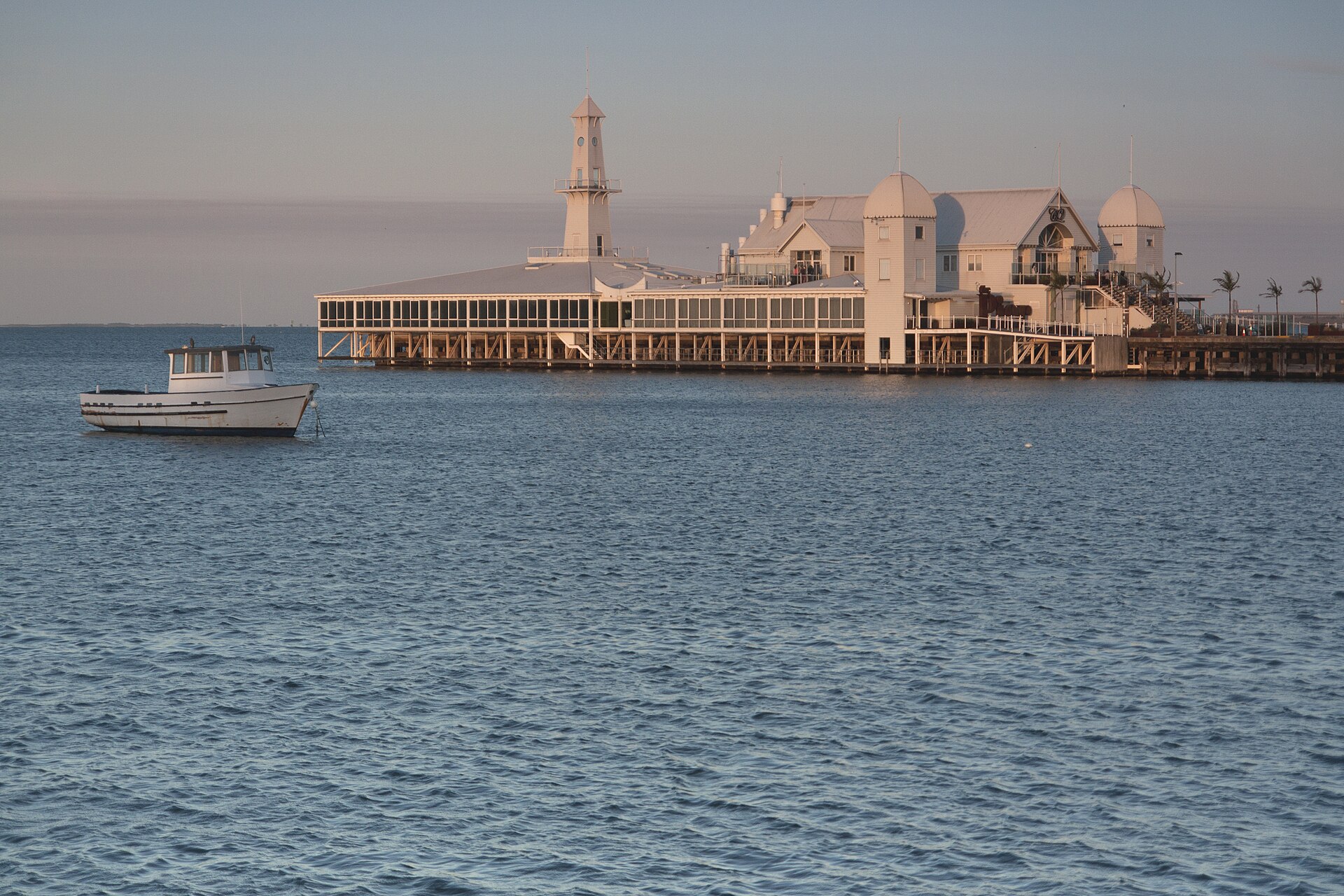
Geelong has cracked something that Melbourne, Sydney, and half the world's major cities are still wrestling with: how to weave genuinely usable green space through a growing urban centre without turning it into an Instagram backdrop.
The city's park system doesn't compete on flash or scale. Eastern Beach Reserve sprawls across 34 hectares along the Corio Bay foreshore, yet it serves the same function as London's sprawling Hyde Park or San Francisco's Golden Gate Park without the suffocating crowds. What sets Geelong apart is the deliberate refusal to monetise every square metre. There are no commercial beer gardens clogging the sightlines, no corporate sponsorship boards obscuring the water views. Just grass, playground equipment, and access that costs nothing.
This comes as cities globally face a real crisis. Property prices have squeezed parkland off the development table. Melbourne's median house price sits above $700,000, pushing outer suburbs further out and widening the gap between those who can afford inner-city living and those who can't. Sydney faces the same squeeze. Meanwhile, Geelong's median sits closer to $560,000, meaning residents can still live near quality green space without taking a second mortgage.
The reserve network that works differently
Drive through Geelong's street network and you'll notice parks appearing every two to three kilometres-not by accident, but by design. Kardinia Park in the suburb of Newtown anchors the western side with its 25-hectare footprint, including sports facilities, walking paths, and open lawn that families actually use rather than photograph. Barwon Heads Road splits the city's eastern reaches, where smaller reserves like Barwon Park create what urban planners call "third places"-spaces between home and work where communities naturally congregate.
The Geelong Performing Arts Centre sits adjacent to the Geelong Library and Heritage Centre precinct along Water Street. This clustering matters. Visitors and locals move between cultural venues, food, and the waterfront without needing a car. Compare that to Sydney's arrangement, where Taronga Zoo requires ferry transport and Opera House crowds spill into narrow, managed precincts.
Barwon River Park, stretching along the Barwon River from Gheringhap through to Bellerine, represents something globally rare: a continuous green corridor that doesn't require crossing major roads. Urban designers from Copenhagen to Toronto study comparable systems. Most cities can't achieve it because land acquisition becomes prohibitively expensive. Geelong's earlier development patterns-before property speculation became the default-meant these spaces got protected early.
Numbers that reveal the difference
The Greater Geelong City Council maintains approximately 180 parks and reserves totalling over 1,100 hectares of public green space. That's roughly 45 square metres per resident. Melbourne's figure hovers around 32 square metres per capita. London manages roughly 35. New York City's celebrated Central Park and Prospect Park combine for just 341 hectares serving 8.3 million people-a fraction of Geelong's per-capita provision.
Cost matters too. A family membership at Kardinia Park's leisure facilities costs around $45 monthly, with casual visits free. That's genuinely accessible. London's premium gym memberships run £60-80 weekly just to access climate-controlled space.
The city has also invested in connectivity. The Geelong Waterfront Project, completed across several phases since 2009, added walking and cycling infrastructure linking Eastern Beach through to Barwon Heads. That infrastructure doesn't exist as a continuous network in most comparable cities. Melbourne's bay foreshore remains broken up by private developments and commercial operations.
What happens next depends on Geelong maintaining this ethos as property values continue rising. Developers are circling. The next five years will test whether the city council prioritises park expansion as part of new housing developments, or whether it lets commercial interests chip away at what makes the city different. Right now, residents still have something most global cities abandoned decades ago: the ability to live near genuine public green space without premium pricing. Keeping it that way requires vigilance.