lifestyle
Geelong parents share their real strategies for surviving school runs and homework wars
As families juggle work, education and cost-of-living pressures, locals reveal what actually works when the textbooks come home.
How we reported this
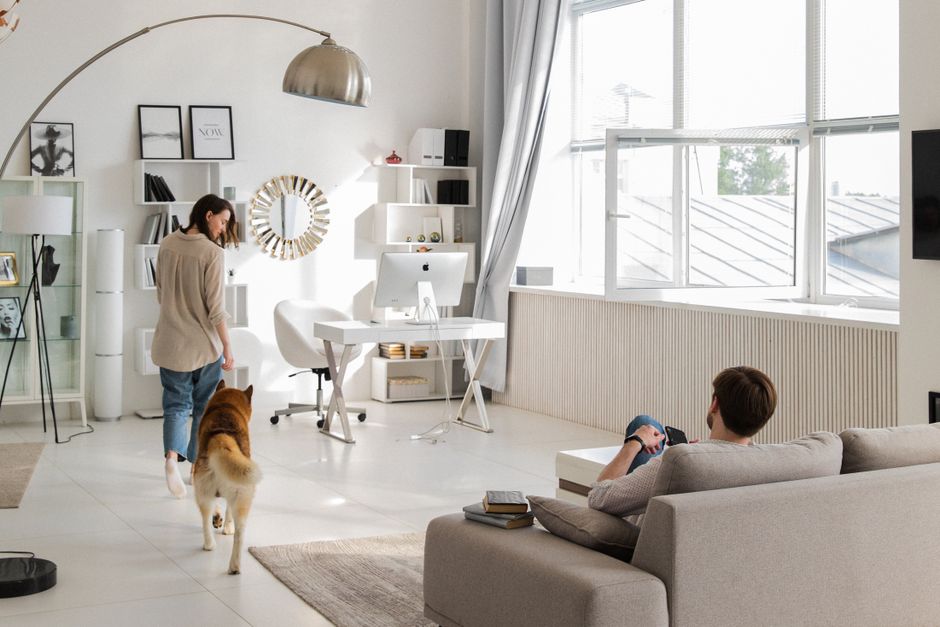
Geelong parents are rethinking the school run. With petrol prices hovering around $1.52 a litre and property values softening across the region, the logistical puzzle of getting kids to class on time while maintaining sanity has become a daily negotiation for hundreds of families.
The shift matters now because Geelong's school population is changing. Enrolments at state primary schools across the municipality have stabilised after years of growth, with some suburbs like Manifold Heights and Bell Post Hill seeing stabilisation rather than expansion. Meanwhile, parents report genuine anxiety about balancing work demands against the reality of raising children in 2026, where after-school care costs run $15-20 per hour and school fees for independent institutions exceed $10,000 annually for primary students.
What families in Geelong actually do
The Geelong Grammar School Parents Association estimates roughly 2,400 families send children to independent schools across the region, but the majority-around 18,000 students-attend state schools managed by the Department of Education. These families have developed workarounds that go beyond the official playbook.
Take the school-sharing arrangements that have quietly become common in suburbs like Newtown and East Geelong. Parents coordinate drop-offs and pickups across multiple schools, reducing individual car trips by as much as 30 per cent. The Geelong Library Corporation's after-school study program at their Gheringhap Street branch now runs four afternoons weekly, allowing working parents to retrieve children closer to 5:30pm rather than the standard 3:15pm pickup. The program is free for cardholders-an advantage many parents didn't realise they had.
For homework support, families navigating the Victorian curriculum increasingly turn to peer networks rather than paid tutors. The Geelong Community Resource Centre runs a volunteer-led homework help program on Tuesday and Thursday evenings, which costs nothing and connects struggling students with trained mentors. This year they've expanded to include digital literacy sessions, reflecting parents' frustrations with online learning platforms many kids struggle to navigate independently.
The financial squeeze is real
The cost pressures are quantifiable. A 2025 survey by the Australian Council of Educational Research found Victorian families were spending an average of $3,200 annually on schooling costs beyond fees-uniforms, excursions, technology, and supplementary tutoring. In Geelong, where median household incomes sit roughly $8,000 below the state average, that figure creates genuine hardship for single-income households and families where both parents work part-time.
Several schools in Geelong have responded by formalising uniform swap programs. Kardinia Park Secondary College and Bellarine Secondary College both operate twice-yearly exchanges where families can trade outgrown uniforms at no cost. Parents report saving $400-500 per child annually through these schemes alone. The Geelong Education Support Services also quietly advises families on accessing the Start Safely program, which provides grants of up to $800 per child for essential school supplies-a safety net that many eligible families simply don't know exists.
School choice has also shifted. Ten years ago, parents prioritised prestige and academic rankings. Now conversations in Geelong playgrounds centre on proximity, teacher stability, and whether a school actually answers emails. Families living near Pakington Street have deliberately chosen closer schools in Bellerine rather than driving to Highton, essentially trading brand names for 15 minutes each morning.
The honest takeaway from Geelong parents who've worked through these challenges: the system requires active navigation rather than passive acceptance. Success looks like connecting with other families early, asking schools directly about assistance programs rather than assuming you don't qualify, and measuring school quality not by reputation but by whether your kid actually wants to go there. That foundation matters more than any league table.