lifestyle
Moving to Geelong: the real costs, visa requirements and everything expats need to know before relocating
Geelong's booming job market and affordable housing are attracting international workers. Here's what it actually costs to move here and settle in.
How we reported this
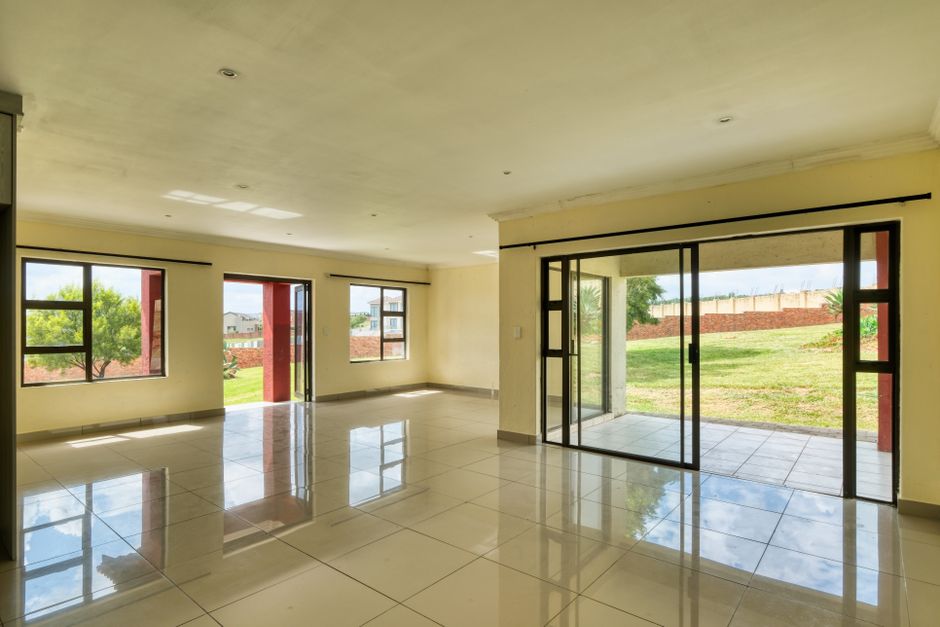
Geelong's reputation as a secondary city with lower housing costs is drawing expats from across Europe, Asia and North America. But before booking your flight, you need to understand the true financial picture: visa sponsorship costs, rental deposits, transport passes and the reality of what $450,000 buys you here versus what it buys in Melbourne.
The timing matters. Property prices in Geelong have softened from their pandemic peaks, but they remain contested territory for newcomers. A typical weatherboard house in Bellerine or Manifold Heights still commands $550,000 to $650,000. Units in the Newtown or Kardinia precincts run $380,000 to $480,000. Meanwhile, international workers arriving on employer sponsorship visas face immediate expenses: visa processing through the Department of Home Affairs costs between $4,600 and $9,200 depending on the visa class, and that's before employer sponsorship fees-which vary but typically range from $5,000 to $15,000.
Rental costs present the first real shock. A two-bedroom apartment in Geelong's central business district or bayside suburbs like Newtown typically rents for $1,600 to $2,100 per month. Landlords demand a bond equivalent to four weeks' rent plus two weeks in advance-that's roughly $3,200 upfront for a mid-range rental. Real estate agents charge 7.5 percent of annual rent as a leasing fee, often payable by the tenant.
Where to land and what to expect
The Geelong region employs roughly 140,000 people across manufacturing, healthcare, education and professional services sectors. The Deakin University campus in Waurn Ponds-about 15 kilometres from the city centre-has become a hub for international academics and their families. The waterfront precinct around the Geelong Waterfront Promenade and Eastern Beach draws professionals working in tourism and hospitality. But these aren't the cheapest areas to live.
Expats with transport budgets should factor in Geelong's reliance on cars. Public transport via local operator Geelong Transit costs $188.50 per month for unlimited zone travel, or $52 for weekly passes. A car purchase or lease ranges from $150 to $400 weekly depending on finance arrangements. Petrol runs roughly $1.80 per litre. The journey to Melbourne's CBD takes 50 minutes by V/Line train at $15.60 return, making it feasible for those working in both cities.
School fees matter if you're bringing children. Geelong has established private schools-like Geelong Grammar and Radford College-charging $20,000 to $28,000 annually for secondary students. State schools are free but face enrolment delays; families are advised to register at the Victorian Curriculum and Assessment Authority (VCAA) at least six months before arrival.
The hidden costs nobody mentions
Utilities in Geelong run $200 to $350 monthly for electricity, gas and water combined-higher than national averages due to winter heating demands. Internet costs $70 to $120 monthly for NBN connections, which cover most of the city but remain patchy in outer suburbs like Bellerine.
Groceries average 12 percent higher than official Australian Bureau of Statistics figures suggest, according to informal surveys from expat forums. A weekly shop for a family of four ranges from $180 to $250. Fresh produce at the Geelong Market (open Saturdays) offers better value than supermarkets, though only if you arrive early.
Tax residency changes affect superannuation, Medicare eligibility and tax file numbers. You'll need an Australian Tax File Number (TFN) to work legally-apply through the Australian Taxation Office in advance. Medicare coverage begins 90 days after arriving on certain visa classes, leaving expats vulnerable to medical costs. A standard GP visit costs $65 to $85 without Medicare; pathology and imaging run significantly higher.
Before committing, connect with the Geelong Newcomers Network or local employer relocation teams. Most major employers-Deakin, Barwon Health, automotive firms-offer relocation packages covering 6 to 12 weeks of temporary accommodation while you search for permanent housing. That buffer matters: rushing into the first available rental costs time and money.