lifestyle
Geelong Pairs Mental Health Care With Direct Waterfront Access Uniquely
The city pairs clinical services with direct access to Corio Bay trails and heritage sites in a way few other places replicate.
How we reported this
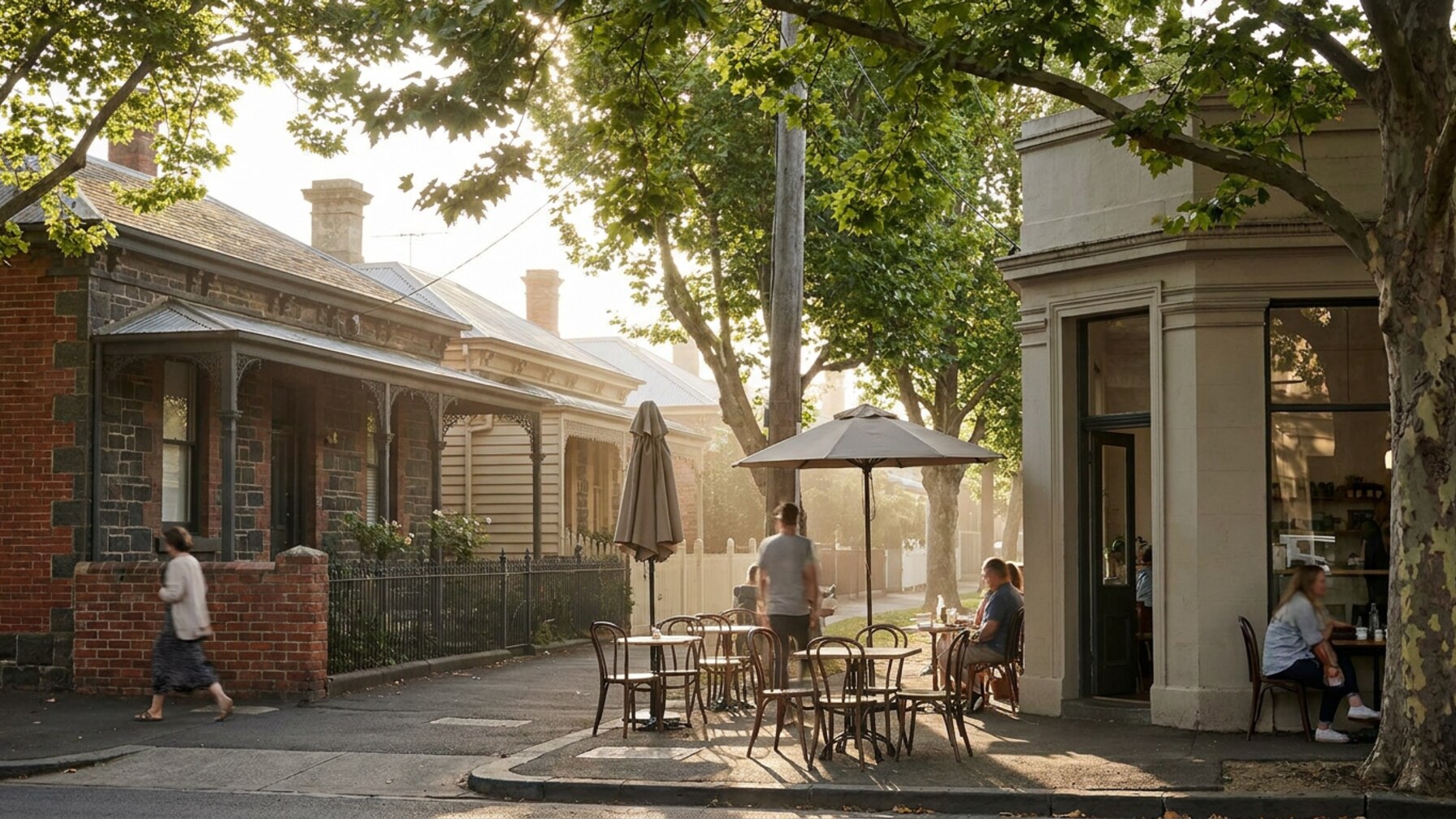
Geelong provides mental health resources that link clinical care to the city's bayside paths and former woolstore buildings, a combination not replicated in places such as Singapore or Chicago.
National data released in early 2026 showed increased demand for community-based support after pandemic-era isolation effects lingered in regional centres, prompting local services to expand outdoor options rather than rely solely on indoor clinics.
Programs tied to specific Geelong locations
Barwon Health operates its mental health outreach from the site at 45 McKillop Street, where staff run group sessions that begin with short walks along the Eastern Beach promenade before moving into structured discussion. The Headspace centre at 150 Little Malop Street hosts evening programs inside the restored Dalgety woolstore building, using the industrial interior for art and music activities that draw on Geelong's manufacturing history.
These sites sit within walking distance of the Geelong Railway Station and the waterfront market sheds, allowing participants to reach them without cars on most days.
Participation figures and costs
Barwon Health's 2025 annual report recorded 2,840 people enrolled in the combined indoor-outdoor programs between January and December, up from 2,150 the previous year, with session fees listed at $15 for concession holders and $25 for others. The same report noted that 68 percent of participants lived in the suburbs of Belmont, Newtown or North Geelong.
Anyone wanting to join can call the Barwon Health intake line or visit the McKillop Street reception between 9am and 4pm on weekdays to book an initial assessment for the next available waterfront or woolstore session.