news
Budget votes, rezoning fights and a waterfront deadline: the decisions that will define Geelong's next six months
City of Greater Geelong councillors return from recess this month facing a stack of unresolved issues that will shape the region's housing supply, transport links and post-industrial future.
How we reported this
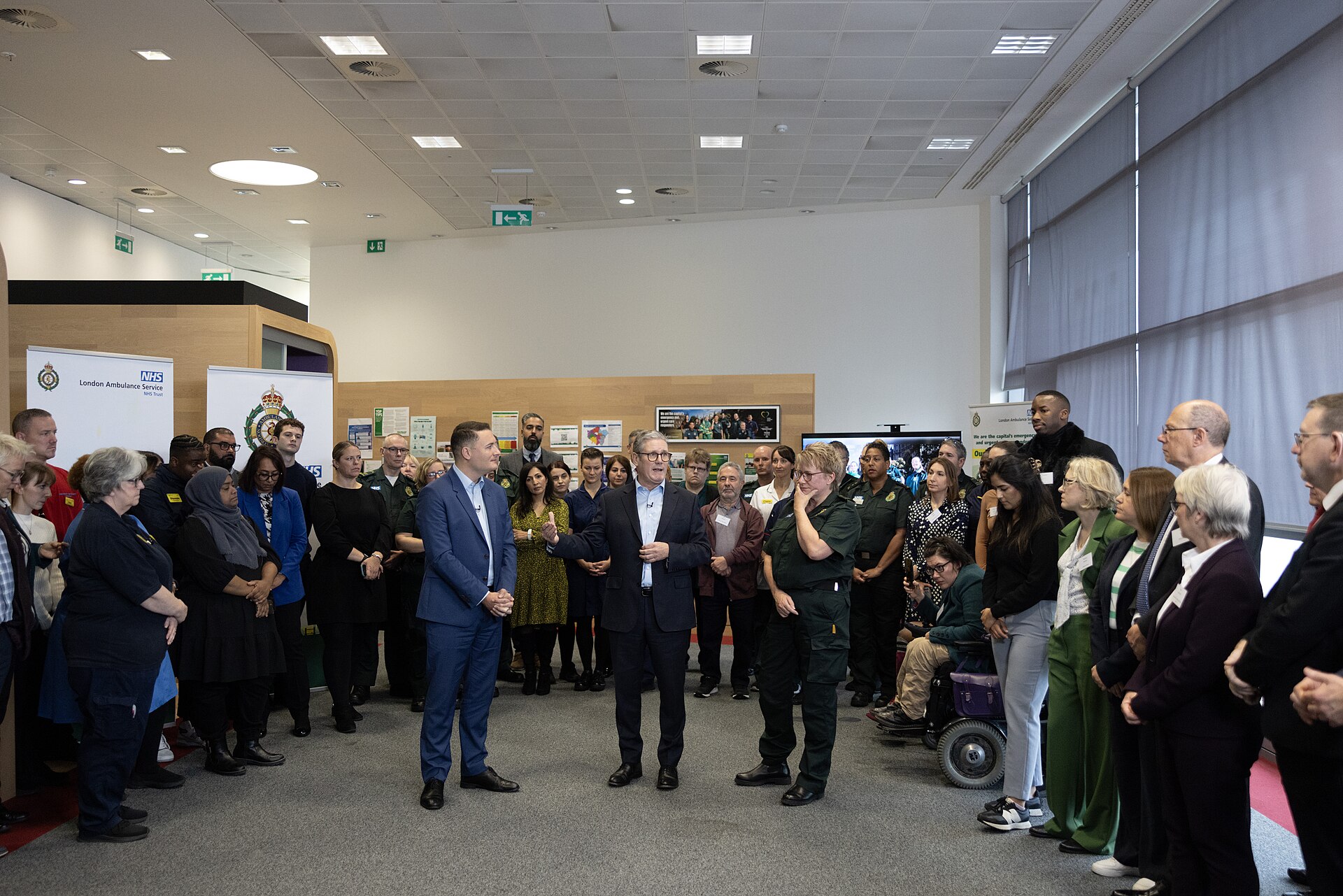
Council chambers at 35 Gheringhap Street go back into session on July 15, and the agenda is already crowded. Councillors must finalise the 2026-27 municipal budget, rule on a contested rezoning application covering roughly 340 hectares at Armstrong Creek's southern growth corridor, and respond to a State Government deadline on the Waterfront Geelong precinct masterplan, all before the spring school holidays.
The timing matters. Greater Geelong's population crossed 290,000 residents in the most recent Australian Bureau of Statistics estimate, making it the country's fastest-growing regional city by raw numbers. Infrastructure spending decisions made in the next few months will either keep pace with that growth or leave suburbs like Charlemont and Torquay Road scrambling for services well into the 2030s.
The budget gap and what fills it
The draft 2026-27 budget, circulated to councillors in late June, proposes a 3.8 per cent average rates increase, above inflation but below the cap the council set itself in its four-year plan. Capital works sit at $187 million, with the single biggest line item being $34 million for the Pakington Street streetscape upgrade in Newtown, a project delayed twice since its original 2024 commitment. Community services groups have been lobbying for a further $2.1 million injection into the Barwon Child Youth and Family support network, arguing caseloads at the organisation's Belmont hub have risen 22 per cent since 2023. Councillors have until July 29 to adopt or amend the document before it takes legal effect.
Separate to the rates debate, council officers are working through submissions on the Armstrong Creek South precinct structure plan. Developers including several firms with projects already approved along Reserve Road want land reclassified from low-density residential to mixed-use, which would unlock higher-density apartment buildings closer to the proposed Stage 2 bus rapid transit corridor. Residents' groups around the existing Armstrong Creek Town Centre have formally objected, citing traffic modelling they say underestimates vehicle movements on Hopkins Road by at least 15 per cent during peak hours.
The waterfront clock is ticking
The most politically charged item is the Cunningham Pier and Eastern Beach precinct. The Victorian Department of Transport and Planning issued Greater Geelong council a formal direction in May requiring a finalised masterplan submission by September 30, 2026, or risk losing $48 million in Geelong City Deal funding earmarked for the site. Work on the masterplan stalled last year after a heritage dispute over the pier's industrial-era wool store structures. Council's planning committee is scheduled to meet August 6 to consider three competing design concepts prepared by consultants, each taking a different approach to balancing public waterfront access against commercial tenancy revenue.
Deakin University has a direct stake in one of those concepts. The Waurn Ponds-headquartered institution has proposed locating a marine and blue economy research hub within the precinct, which would require a 25-year lease arrangement. Deakin's investment office has indicated the facility could generate around 180 research and support jobs, though that figure is contingent on matching federal funding through the National Reconstruction Fund that has not yet been confirmed.
Back in the suburbs, a quieter but consequential process is also underway. Council's environment team is reviewing native vegetation overlays across the Surf Coast fringe, particularly around Torquay North and Jan Juc, following a Victorian Civil and Administrative Tribunal ruling in April that found two recent planning permit refusals were inconsistent with the council's own Local Planning Policy Framework. A revised methodology is expected to go to public exhibition by late August.
Ratepayers who want to influence any of these decisions have limited windows. Written submissions on the draft budget close July 22. The Armstrong Creek precinct structure plan hearing is listed for August 19 at the Geelong Convention and Exhibition Centre on Stead Park Drive. Details on the waterfront masterplan consultation are due to be published on the council's Your Say Geelong portal once the August 6 committee meeting concludes.