news
How Geelong Built Its Bench: The Long Road Behind the Region's Sporting and Community Rise
From the closure of the Ford plant to a new generation of local heroes, the story of how Geelong's identity was forged through disruption, deliberate investment, and community stubbornness.
How we reported this
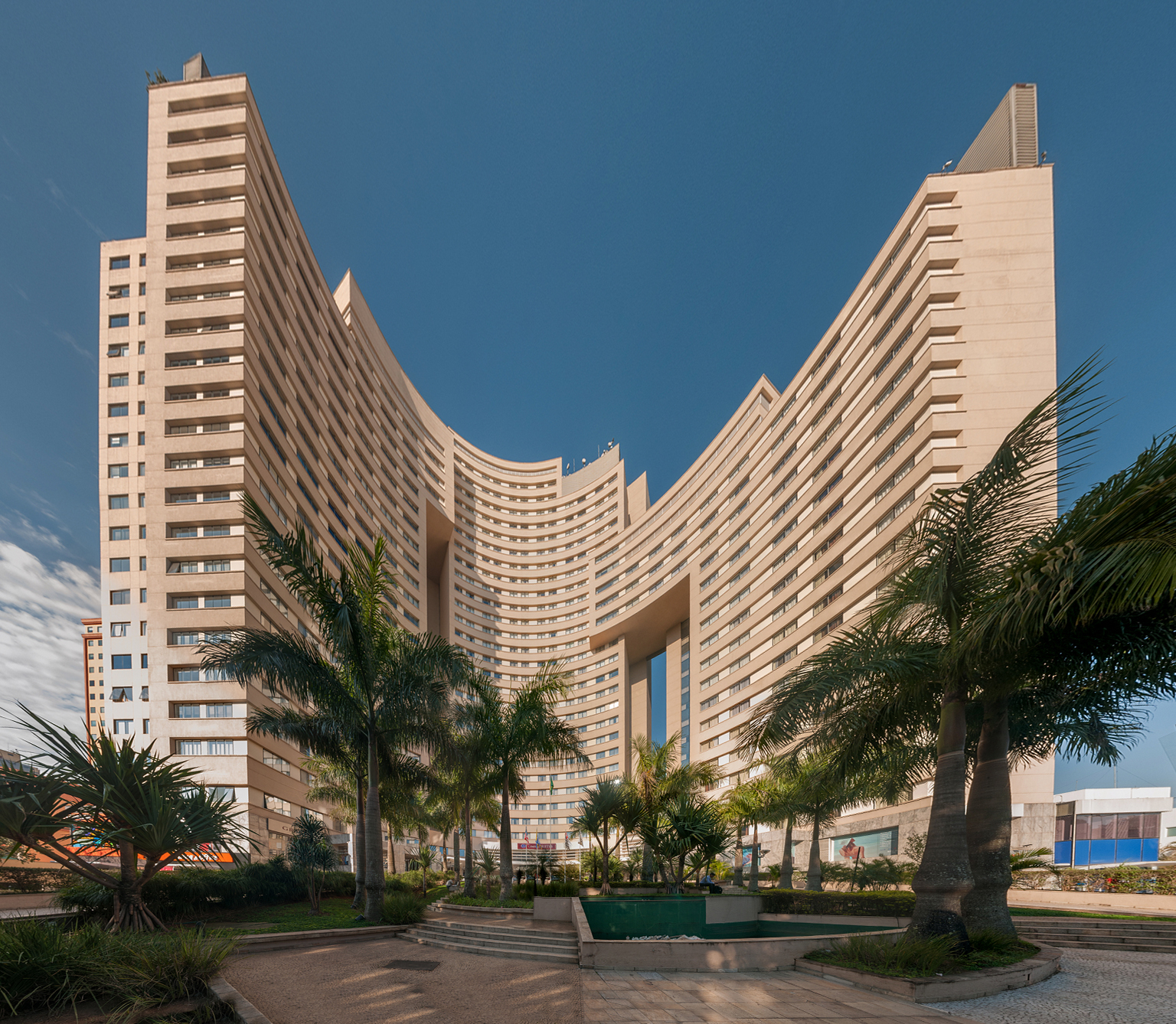
Geelong did not arrive at its current moment by accident. The region that now punches well above its weight in AFL premierships, community sport participation, and civic leadership spent the better part of a decade rebuilding after the Ford Motor Company shut its Elizabeth Street assembly plant in October 2016, eliminating roughly 600 direct jobs and shaking the confidence of a city that had defined itself through blue-collar manufacturing for generations.
That disruption matters now because it explains almost everything about where the Barwon region stands in mid-2026: the hunger for local identity anchors, the unusual depth of investment in grassroots clubs, and the outsized emotional weight that community figures, coaches, administrators, former players who stayed, carry in suburbs from Corio to Torquay.
The Pivot That Changed the Playing Field
The federal Geelong City Deal, signed in 2022 and carrying a combined Commonwealth, state, and council commitment of $382 million, funnelled money into infrastructure that directly touched sport and community. Kardinia Park's redevelopment, which lifted capacity past 36,000, was the headline project, but the less-reported investments shaped daily life more concretely. The Leisurelink Aquatic and Recreation Centre in Norlane received a $4.1 million upgrade completed in late 2024, giving one of Geelong's most economically pressured northern suburbs a facility that community health workers now use as a first-point-of-contact for youth outreach.
Deakin University's Waterfront Campus became a second engine. Its sports science partnership with Geelong Football Club, formalised in 2019 and expanded twice since, created a pipeline of local graduates who stayed in the region rather than migrating to Melbourne. By 2025, Deakin's Geelong campuses employed more than 4,000 people directly, a number that had quietly overtaken the old Ford headcount and then some.
Meanwhile, Geelong Cats' back-to-back premierships in 2022 created something harder to quantify but easy to observe: a renewed civic confidence that spilled into junior club registrations, volunteer rates, and the kind of informal community leadership that doesn't show up in government reports. Little Athletics Victoria recorded a 23 percent jump in Barwon-region enrolments between 2021 and 2024. The Geelong Falcons, the TAC Cup football program based at Skilled Stadium, reported their longest waitlist for development squad trials in the program's 30-year history.
Who Filled the Space
Into that recovering landscape stepped a particular type of local figure: not the celebrity export who made good elsewhere, but the person who chose to stay. Former Cats players who opened coaching academies in Newtown and Belmont. Long-serving administrators at clubs like North Shore United and Queenscliff Football Club who turned down better-paying roles in metropolitan Melbourne. Surf Coast Shire councillors who pushed environmental planning frameworks that incidentally protected coastal sports grounds from encroaching residential development.
The Geelong Community Foundation, which distributes grants across the Barwon region, reported in its 2025 annual review that sport and active recreation now account for 31 percent of its total grant allocation, up from 19 percent a decade earlier. That shift reflects donor intent and, the foundation argued, community demand.
The World Cup exit for the Socceroos in Dallas overnight, beaten on penalties by Egypt, landed hard in households across Geelong, where Football Victoria's Barwon region recorded 14,200 registered players in 2025, its highest figure ever. The loss stings, but the local football ecosystem that generated some of those players will not shrink because of a penalty shootout in Texas.
What happens next depends partly on whether state and federal funding commitments survive budget cycles, and partly on whether the City of Greater Geelong follows through on its draft Active Geelong Strategy, open for public submission until August 15. Residents in suburbs from Armstrong Creek to Drumcondra who want to shape where the next oval or aquatic facility goes have a narrow window to do so. The bench Geelong built took a decade. Keeping it stocked requires the same deliberate work that built it.