news
Geelong's Image Replacement Efforts See Latest Developments and What Happened This Week
A surge in local initiatives aims to redefine the city's visual identity, from the waterfront to the suburbs.
How we reported this
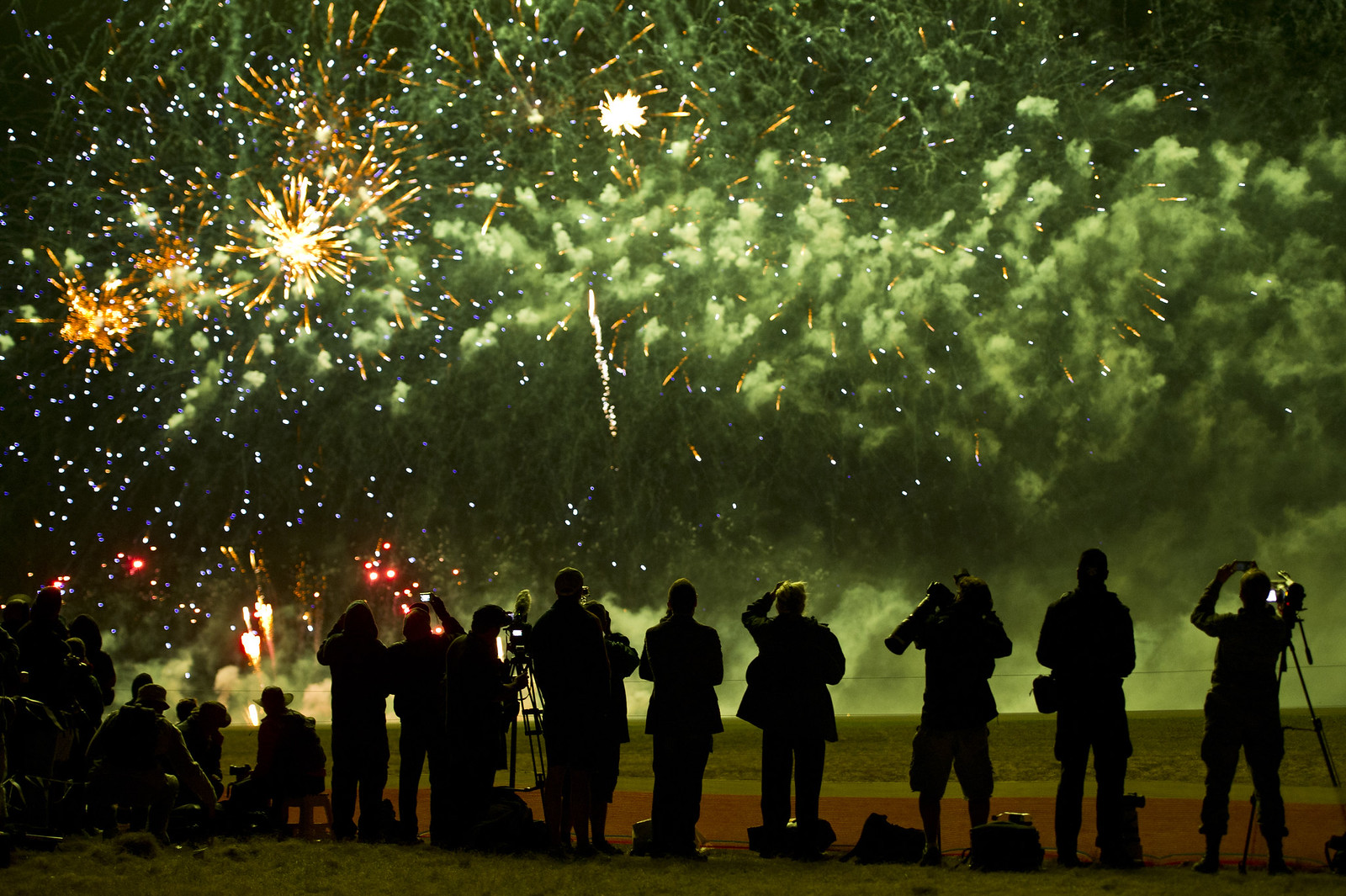
This week, the City of Greater Geelong launched a new program to replace outdated images of the city with fresh, vibrant visuals, showcasing its transformation from a manufacturing hub to a thriving cultural and educational center. The key fact is that over 500 new images will be captured and shared across various platforms to promote Geelong's revamped image.
The effort to replace duplicate images matters now because Geelong is experiencing significant growth, with new developments and investments pouring in, particularly through the Geelong City Deal. As the city continues to evolve, it's essential to update its visual representation to attract visitors, businesses, and talent. Deakin University, a major driver of innovation and jobs in the region, is also playing a crucial role in shaping the city's new image.
Locally, the image replacement initiative will focus on showcasing iconic spots like the Geelong Waterfront, Eastern Beach, and the nearby Surf Coast. Specific areas of attention include the revitalized Little Malop Street, which has seen a surge in new cafes and restaurants, and the historic Pakington Street in Geelong West, known for its boutique shops and community events. The program will also highlight the city's commitment to environmental sustainability, featuring initiatives like the Barwon River Parklands and the Geelong Botanic Gardens.
Statistics and Progress
According to data from the City of Greater Geelong, the region has seen a 25% increase in tourism over the past two years, with visitors drawn to its natural beauty, cultural attractions, and outdoor activities. The new image replacement program aims to capitalize on this momentum, with a budget of $200,000 allocated for the capture and distribution of the new images. As of July 1, 2026, over 200 images have already been captured, with a target of 500 by the end of the year. The program's success will be measured by tracking engagement on social media platforms and monitoring the increase in tourism and business inquiries.
In practical terms, the new images will be used across various channels, including the City of Greater Geelong's website, social media, and marketing materials. Residents and businesses are encouraged to share their own photos of Geelong using a branded hashtag, which will be showcased on a dedicated webpage. As the program progresses, the city will continue to monitor its impact and adjust its strategy to ensure the new image of Geelong accurately reflects its unique character and attractions.