news
Behind the Numbers: The Data Statistics and Numbers Behind Geelong's Growth Story
A closer look at the statistics driving Geelong's transformation into a thriving regional city
How we reported this
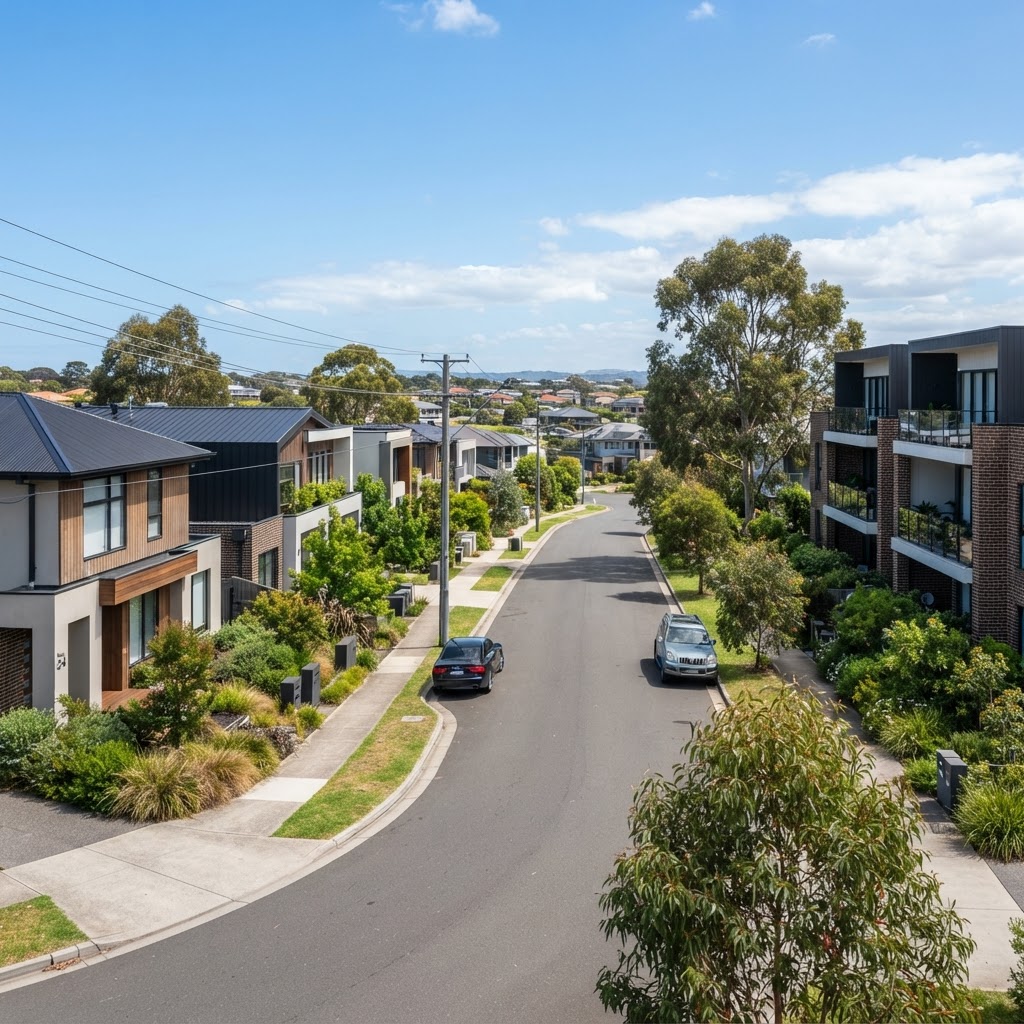
Geelong's population is projected to reach 280,000 by 2030, a 25% increase from 2020, according to the City of Greater Geelong's growth forecasts. This growth is being driven by a combination of factors, including the city's revitalised CBD, new industries, and infrastructure investments.
The growth of Geelong matters now because it is occurring at a time when the city is transitioning away from its traditional manufacturing base. The closure of the Ford factory in 2016 marked the end of an era for Geelong's automotive industry, but it also created opportunities for new businesses and industries to emerge. Deakin University, for example, has become a major driver of innovation and job creation in the city, with its Waurn Ponds campus and the nearby Deakin University Hospital.
In terms of local detail, the suburbs of Armstrong Creek and Torquay are experiencing significant growth, with new housing developments and infrastructure projects underway. The Geelong City Deal, a federal investment program, is also providing funding for key initiatives such as the redevelopment of the Geelong Railway Station and the creation of a new convention centre. The Surf Coast Highway is being upgraded to improve connectivity between Geelong and the surrounding regions, while the nearby town of Drysdale is benefiting from new commercial developments and a revitalised town centre.
Data-Driven Insights
A closer look at the data reveals some interesting trends and statistics. For example, the median house price in Geelong has increased by 15% over the past 12 months, reaching $640,000 in June 2026, according to data from the Real Estate Institute of Victoria. The city's unemployment rate has also decreased, from 6.3% in 2020 to 4.5% in 2026, according to data from the Australian Bureau of Statistics. Furthermore, the City of Greater Geelong's own data shows that the city is attracting a significant number of new businesses, with 1,200 new registrations in the past year alone.
So what happens next for Geelong? As the city continues to grow and evolve, it will be important for policymakers and stakeholders to monitor the data and statistics closely, to ensure that the growth is sustainable and equitable. This may involve investing in new infrastructure, such as public transport and community facilities, as well as supporting initiatives that promote innovation and job creation. By doing so, Geelong can continue to thrive as a regional city, and provide a high quality of life for its residents.