news
Geelong's Image Replacement: What Happens Next and the Key Decisions Ahead
As the city transitions from its automotive era, major developments are on the horizon, with key decisions to be made on housing, employment, and environmental planning.
How we reported this
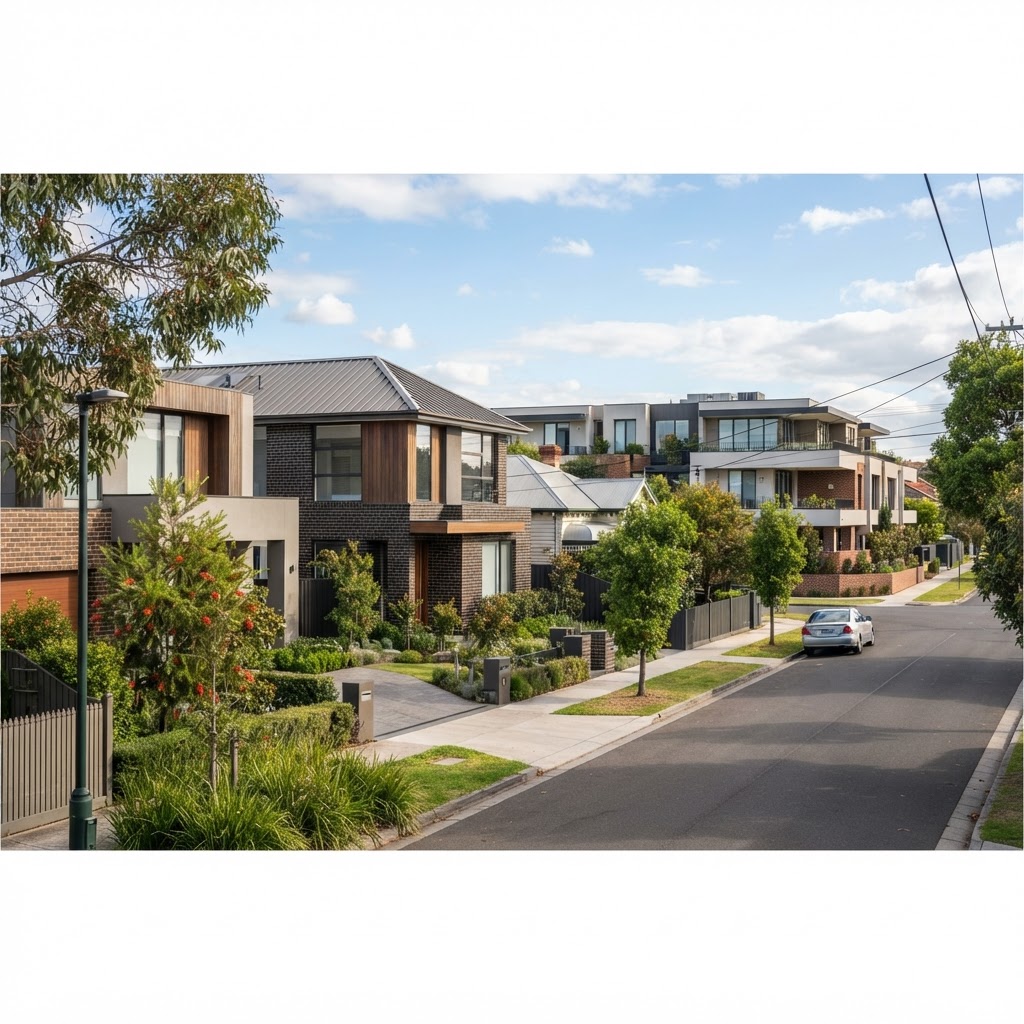
Geelong is on the cusp of a significant transformation, with the city's image set to undergo a major replacement as it moves away from its automotive heritage. The closure of major manufacturing plants has paved the way for new developments and investments, with the federal government's Geelong City Deal providing a significant boost to the local economy.
The transformation of Geelong matters now because it has the potential to reshape the city's identity and provide new opportunities for employment, education, and innovation. With Deakin University at the forefront of research and development, the city is well-placed to become a hub for new industries and technologies. However, this transformation also poses challenges, particularly in terms of housing affordability and environmental sustainability.
Locally, the impact of this transformation can be seen in areas such as the Geelong Waterfront, where major redevelopment plans are underway, and the suburb of Armstrong Creek, where new housing estates are being built. Organisations such as the Geelong Chamber of Commerce and the Committee for Geelong are playing a key role in shaping the city's future, with initiatives such as the Geelong Revitalisation project and the Clever and Creative Geelong program. The city's iconic landmarks, such as the Geelong Library and Heritage Centre and the GMHBA Stadium, are also set to undergo significant changes as part of this transformation.
Key Statistics and Trends
According to data from the Australian Bureau of Statistics, the population of Geelong is projected to grow by 25% over the next 15 years, with the median house price increasing by 30% to over $700,000. The city's unemployment rate has also decreased significantly, from 6.5% in 2020 to 4.2% in 2026, with major employers such as Deakin University and Barwon Health driving job growth. As of June 2026, the city has seen a 15% increase in new business registrations, with the majority of these businesses operating in the services and technology sectors.
As Geelong looks to the future, the key decisions ahead will focus on balancing growth and development with the need to protect the city's environmental and cultural heritage. This will involve careful planning and management of new developments, as well as investment in initiatives such as renewable energy and sustainable transport. With the support of local organisations and the federal government, Geelong is well-placed to navigate this transformation and emerge as a thriving and vibrant city. The city's residents and businesses will be watching closely as these decisions are made, with the outcome set to shape the future of Geelong for generations to come.