news
Geelong Renters Lose Thousands to Fake Property Photos in Crisis
Duplicate and digitally altered listing images are misleading Geelong tenants at a time when vacancy rates sit below 1.5 percent and competition for homes has never been fiercer.
How we reported this
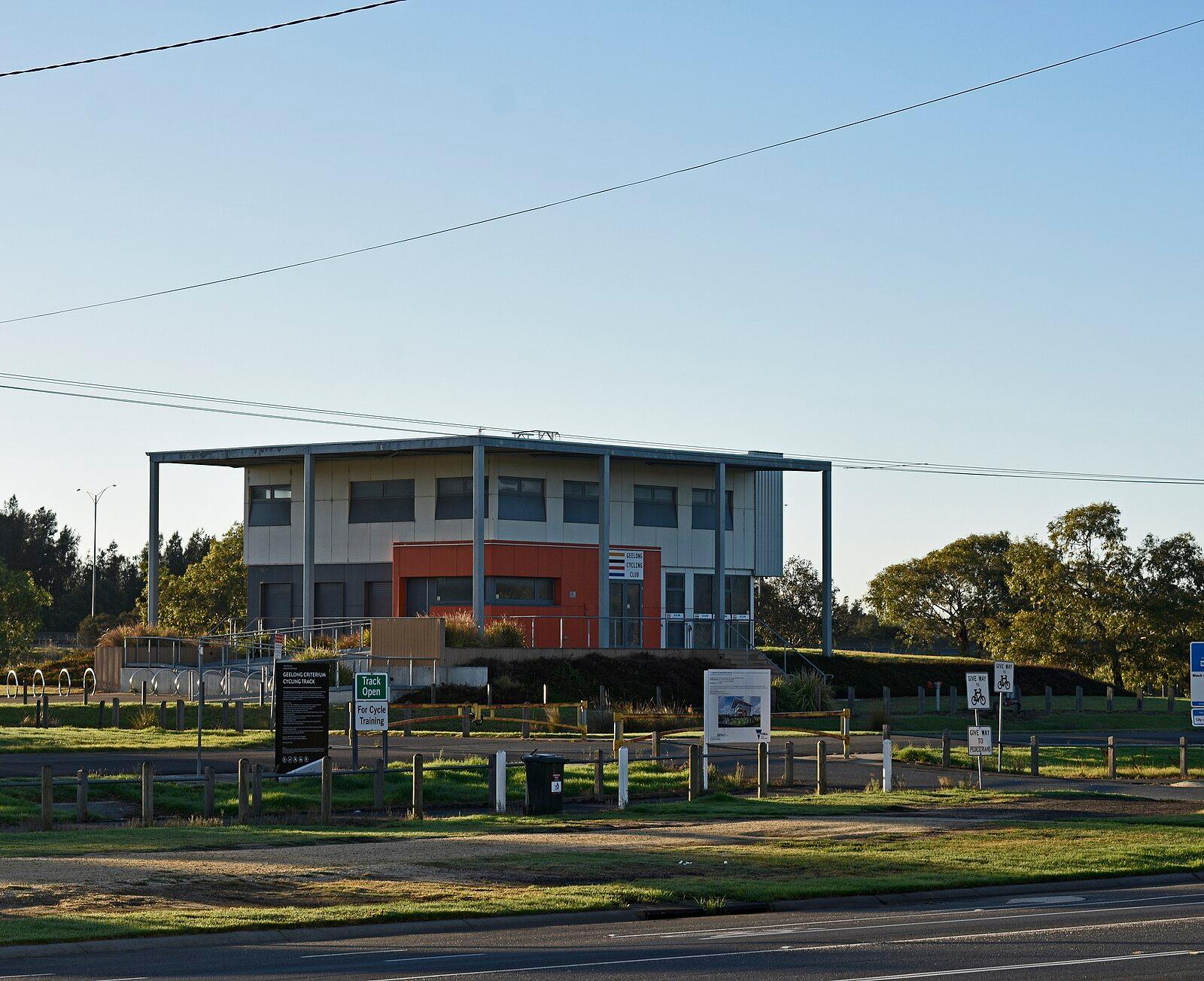
Geelong renters are being caught out by a growing wave of duplicate and manipulated property images appearing across online listing platforms, with consumer advocates warning the practice is costing families time, money and, in some cases, a roof over their heads. The problem, known broadly as duplicate image replacement, where photos from one property are lifted and reused to represent another, has accelerated alongside the city's housing crunch, advocates say.
The timing matters. Greater Geelong's rental vacancy rate sat at just 1.3 percent in June 2026, according to figures from the Real Estate Institute of Victoria, leaving prospective tenants with almost no margin for error. When someone drives forty minutes from Corio to inspect a unit on Pakington Street in Newtown, only to find the listing photos bore no resemblance to the actual property, they've burned a day's leave and potentially lost a competing application elsewhere.
How the Scam Works, and Why Geelong Is Exposed
The mechanics are straightforward. A legitimate photo from a well-presented property in, say, Highton or Belmont gets scraped from an old listing and reattached to a cheaper, less appealing rental in Norlane or North Geelong. The goal is to generate enquiry volume, more clicks, more inspection bookings, more application fees collected before anyone realises the deception. Consumer Affairs Victoria received 214 complaints related to misleading rental advertising statewide in the twelve months to March 2026, though investigators say the actual incidence is far higher because most victims don't formally report.
Geelong's particular vulnerability comes from its growth profile. The Geelong City Deal, the $370 million federal and state investment package signed in 2022, has driven population movement into the region, bringing thousands of new residents unfamiliar with local neighbourhoods. Someone relocating from interstate to take up a role connected to Deakin University's Waurn Ponds campus, or drawn by manufacturing jobs emerging from the post-Ford transition, may not immediately recognise that a listing photo showing a leafy, established streetscape doesn't belong to the address in Armstrong Creek being advertised.
Neighbourhood Houses Geelong, which operates from multiple sites including the Norlane Community Hub on Sparrow Court, has fielded an uptick in queries from tenants who signed leases based on photos that turned out to be inaccurate. The organisation's housing support coordinators flagged the issue to the Barwon South West office of Consumer Affairs Victoria in April this year. The Tenants Victoria advice line, reachable statewide, logged a 31 percent increase in image-related deception queries in the March quarter compared to the same period in 2025.
What Geelong Residents Can Do Right Now
Protecting yourself requires a few deliberate steps before you sign anything. Reverse image search every listing photo using Google Images or TinEye, drag the photo into the search bar and check whether identical images appear attached to different addresses or different cities. The search takes under a minute and costs nothing. If an agent cannot confirm that photos were taken at the specific address in the current or most recent tenancy, ask for it in writing before paying a holding deposit.
The Geelong Community Legal Centre on Pakington Street offers free housing advice sessions on Tuesday and Thursday mornings. Staff there can advise tenants on whether a misleading listing may constitute a breach under the Australian Consumer Law, which carries penalties of up to $50,000 for individuals and $250,000 for corporations engaging in misleading conduct. Consumer Affairs Victoria's online complaint portal accepts submissions and can trigger formal investigations into repeat offenders.
The state government's Residential Tenancies Act reforms, which took effect in March 2021, strengthened disclosure requirements for landlords and agents, but enforcement remains complaint-driven, meaning the burden still falls heavily on tenants to push back. Housing advocates want real-time image verification built into platforms like realestate.com.au and Domain before listings go live. Until that happens, Geelong renters are their own first line of defence.