news
Geelong Transforms Beyond Car Manufacturing: Five Major Developments Reshaping the City
As the city transitions from its automotive era, major developments are on the horizon, but what does this mean for residents and businesses?
How we reported this
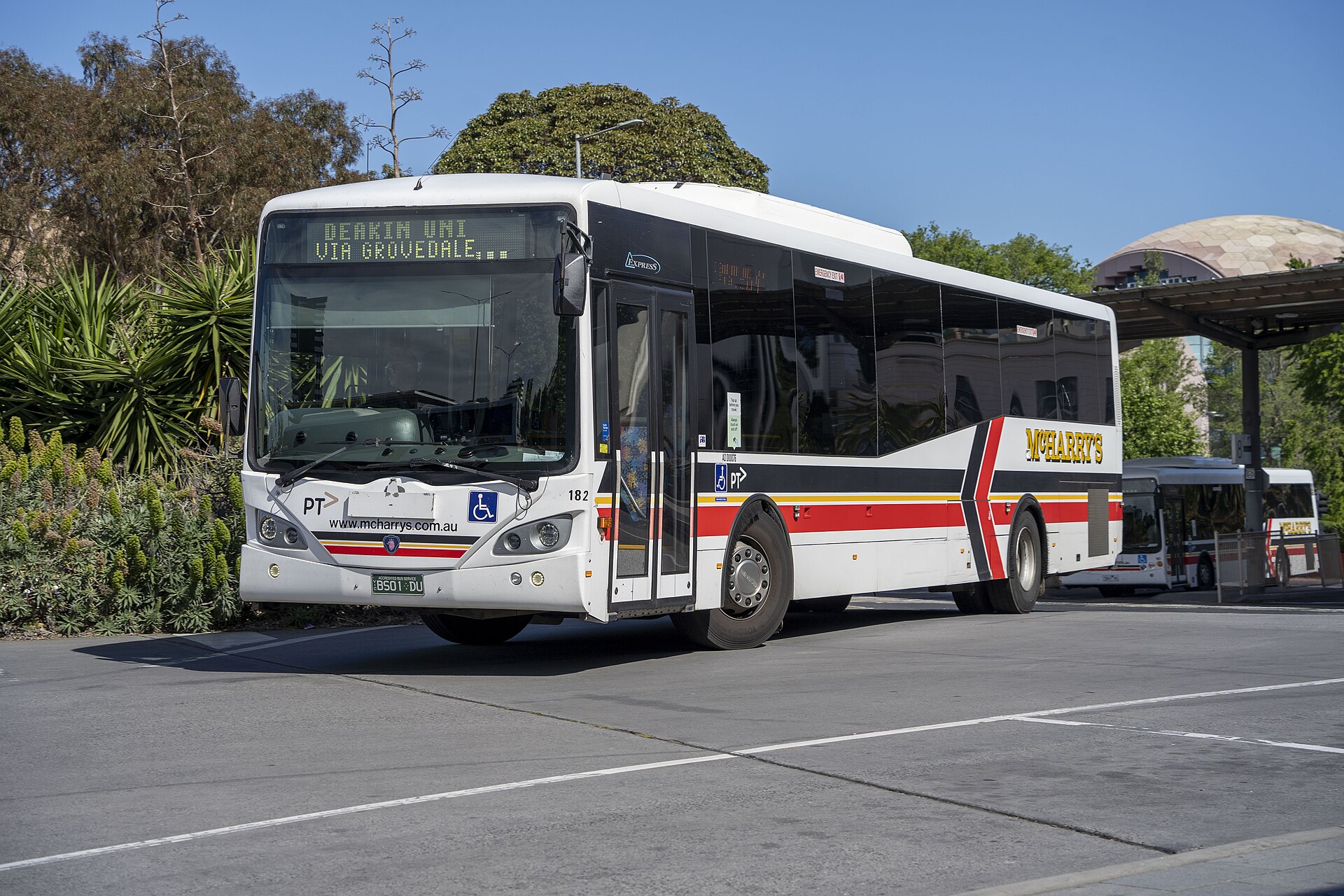
Geelong is on the cusp of a significant transformation, with the city's image set to undergo a major replacement as it shifts away from its automotive heritage. The closure of major manufacturing plants has left a void, but new investments and developments are poised to fill the gap.
This transformation matters now because it will have a lasting impact on the city's economy, employment opportunities, and overall identity. As the city looks to the future, it must balance the need for growth and development with the need to preserve its unique character and charm. The Geelong City Deal, a federal investment initiative, is set to play a key role in shaping the city's future, with a focus on creating new jobs, stimulating innovation, and improving infrastructure.
Locally, this transformation is already evident in areas such as the Geelong Waterfront, where the Deakin University campus is a major anchor, and the nearby CBD, where new businesses and restaurants are popping up on streets like Malop Street and Ryrie Street. The Surf Coast, with its stunning natural beauty, is also set to benefit from new environmental planning initiatives, which will help to preserve the region's unique ecosystem. Organisations such as the Geelong Chamber of Commerce and the Committee for Geelong are working closely with local stakeholders to ensure that the city's growth is sustainable and equitable.
Key Statistics and Trends
According to data from the Australian Bureau of Statistics, the median house price in Geelong has increased by 15% over the past 12 months, reaching a record high of $640,000. This growth is driven in part by the city's increasing popularity as a commuter hub, with many residents making the daily trip to Melbourne. The city's unemployment rate has also decreased, from 6.3% in 2020 to 4.5% in 2026, according to figures from the Department of Employment. As of June 2026, the Geelong region has seen a 25% increase in new business registrations over the past year, with the majority of these businesses operating in the services sector.
As the city looks to the future, key decisions will need to be made about how to manage growth, balance development with preservation, and ensure that the benefits of transformation are shared by all. Residents and businesses will need to be proactive in engaging with the planning process, providing feedback on proposals, and advocating for their interests. The city's future is uncertain, but with careful planning and collaboration, Geelong can emerge from this transformation as a vibrant, sustainable, and thriving city. The next 12-18 months will be critical, with several major projects set to commence, including the redevelopment of the former Ford factory site on Melbourne Road and the construction of a new innovation hub at Deakin University's Waurn Ponds campus.