news
Geelong Council Removes Thousands of Duplicate Images From Website
An audit of City of Greater Geelong's digital assets reveals thousands of duplicate images clogging public-facing platforms, costing ratepayers money and slowing service delivery.
How we reported this
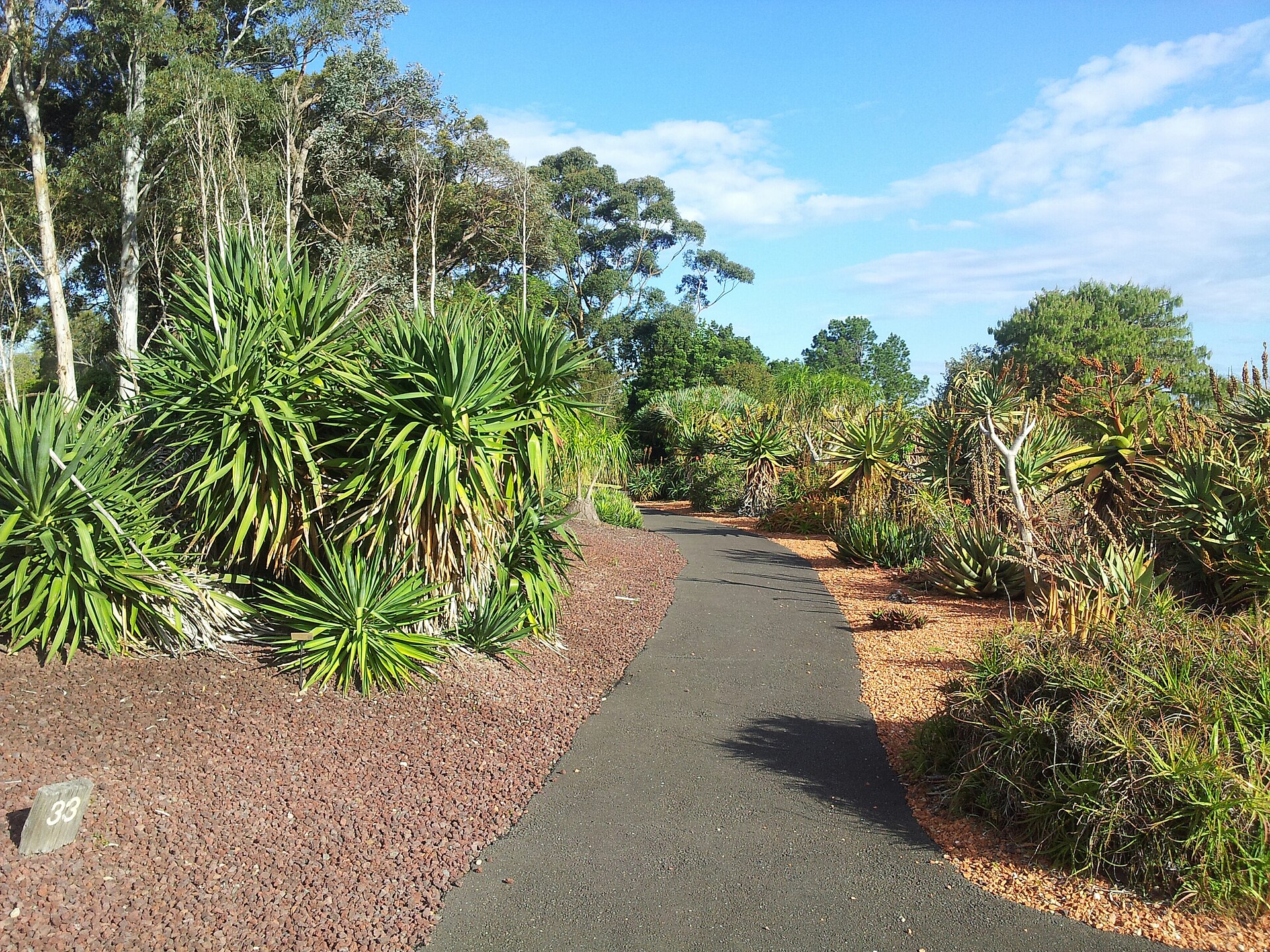
More than 14,000 duplicate image files are sitting inside the City of Greater Geelong's content management system, according to a digital asset audit completed last month by the council's internal IT division. The redundant files, identical or near-identical photographs duplicated across department folders, are consuming approximately 2.3 terabytes of server storage and contributing to page-load times on geelong.vic.gov.au that are running 40 percent slower than the state government's benchmark for public-sector websites.
The findings matter now because the council is midway through a $4.7 million digital transformation program tied to its obligations under the Geelong City Deal, the federal-state investment framework that has pumped $370 million into the region since 2018. A key deliverable of that program is a unified digital services portal scheduled to go live in the first quarter of 2027. Duplicated image libraries are a known saboteur of such migrations: they inflate data transfer costs, break automated tagging systems and produce inconsistent visual presentation across pages, precisely the kind of failures that have derailed similar rollouts in Ballarat and Wollongong in recent years.
The audit was commissioned after staff in the council's Civic Precinct offices on Gheringhap Street flagged that uploading a single media file to the development assessment portal, used daily by builders seeking planning permits across growth corridors in Armstrong Creek and Charlemont, was taking up to 90 seconds. Benchmark performance for that task sits at under 10 seconds. The Barwon Regional Library Corporation, which shares backend infrastructure with the council for its digital catalogue at the Geelong Library and Heritage Centre on Little Malop Street, separately identified 880 duplicate cover-image files in its own holdings during a routine stock-take in May 2026.
What the Numbers Actually Show
Duplicate images accumulate for predictable reasons. Staff across roughly 23 council departments each maintain their own folder hierarchies, and without a centralised digital asset management tool, the same photograph of, say, Eastern Beach Reserve or the Geelong Botanic Gardens, gets uploaded fresh each time a new webpage or PDF is produced. The council's audit found that its top 500 most-duplicated images each appeared an average of 28 times across the system. Storage costs for the affected infrastructure run at approximately $0.023 per gigabyte per month through the council's current AWS hosting arrangement, putting the annual bill for redundant files alone at roughly $635, a modest sum in isolation, but the audit's authors note the real cost is in staff hours. Deduplication exercises at comparable Victorian councils have historically consumed between 180 and 400 hours of IT labour, at award rates pushing the total remediation bill past $30,000.
Deakin University's Applied Artificial Intelligence Institute, based at the Waurn Ponds campus, has been in preliminary discussions with the council since March about deploying a perceptual hashing tool, software that identifies visually identical images regardless of filename or metadata, to automate the cleanup. A similar tool the institute piloted for the Victorian Department of Transport in late 2024 reduced a 60,000-file image library to 41,000 files in under six hours, with a false-positive rate of just 0.3 percent.
What Comes Next for Ratepayers
The council's digital transformation steering committee is expected to table a remediation plan at its August 12 meeting. Three options are on the table: a manual staff-led cleanup estimated to take four months, a licensed commercial deduplication platform costing between $18,000 and $22,000 annually, or the Deakin-developed tool under a potential research partnership agreement that could reduce licensing costs significantly.
For residents using council services, the practical upshot is straightforward. A faster, cleaner content system means permit applications lodged through the Pathway online portal, used by hundreds of tradies and developers working in the Surf Coast and Armstrong Creek growth zones each week, should process more reliably once the 2027 portal launches. The council's IT team has advised it will publish deduplication progress metrics quarterly on its transparency dashboard, starting from September 2026. Anyone who has sat watching a progress bar spin on Gheringhap Street knows that outcome can't come soon enough.