news
Behind the Numbers: The Data Statistics and Numbers Behind Geelong's Growth Story
A closer look at the statistics driving Geelong's transformation into a thriving regional city
How we reported this
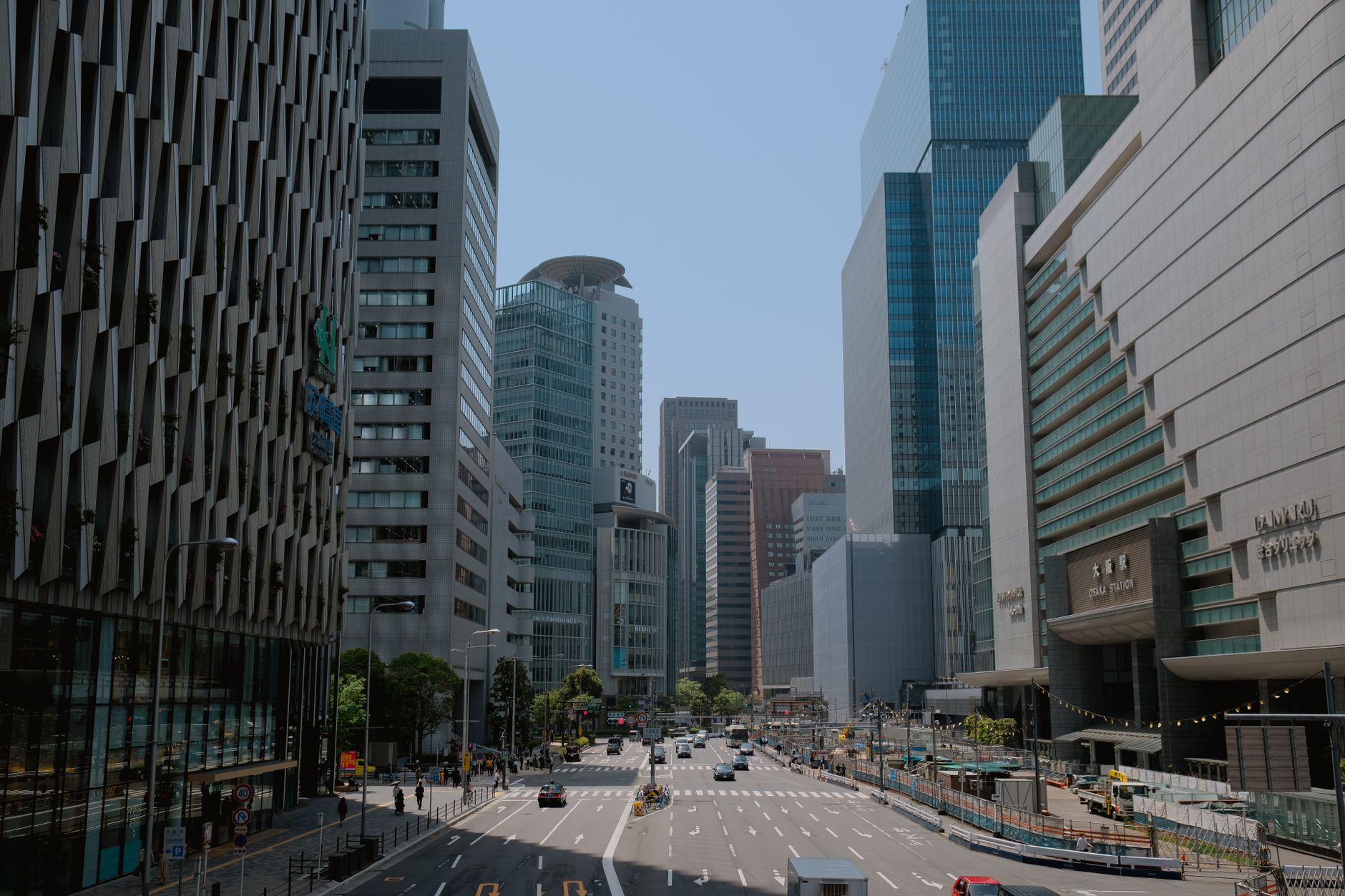
Geelong's population is projected to reach 325,000 by 2031, according to the City of Greater Geelong's latest growth forecasts. This growth is being driven by a combination of factors, including the city's revitalised CBD, its thriving education sector, and its growing reputation as a hub for innovation and entrepreneurship.
The growth of Geelong matters now because it is happening at a time when the city is undergoing significant transformation. The decline of the automotive manufacturing industry has left a gap in the local economy, but this gap is being filled by new industries and initiatives. Deakin University, for example, is playing a key role in driving innovation and job creation in the city, with its research programs and partnerships with local businesses. The Geelong City Deal, a federal investment program, is also providing funding for key infrastructure projects and initiatives.
Local Initiatives and Investments
In terms of specific local initiatives, the Geelong CBD is undergoing significant revitalisation, with the redevelopment of the Malop Street precinct and the construction of new apartments and commercial buildings on Mercer Street and Gheringhap Street. The Surf Coast, meanwhile, is seeing significant investment in environmental planning and conservation initiatives, with the Surf Coast Shire Council working to protect the region's natural assets and promote sustainable tourism. Organisations such as the Geelong Chamber of Commerce and the Committee for Geelong are also playing a key role in promoting the city's interests and driving economic growth.
According to data from the Australian Bureau of Statistics, the median house price in Geelong is currently around $640,000, with rental yields averaging around 4.2%. The city's unemployment rate, meanwhile, has fallen to 4.5%, down from 6.2% in 2020. These statistics demonstrate the city's growing economic strength and its attractiveness to investors and residents. The data also shows that the city's population is growing at a rate of 2.1% per annum, with the majority of new residents coming from Melbourne and other parts of Victoria.
So what happens next for Geelong? The city's growth is expected to continue, driven by its strong education sector, its innovative economy, and its attractive lifestyle. Residents and investors can expect to see ongoing investment in infrastructure and initiatives, with a focus on promoting sustainability and protecting the city's natural assets. With its strong growth forecasts and its attractive statistics, Geelong is an exciting place to be, with a bright future ahead.