news
Geelong's Growth: Five Key Factors Driving Recent Transition
Exploring the factors that led to Geelong's current state of transition and growth
How we reported this
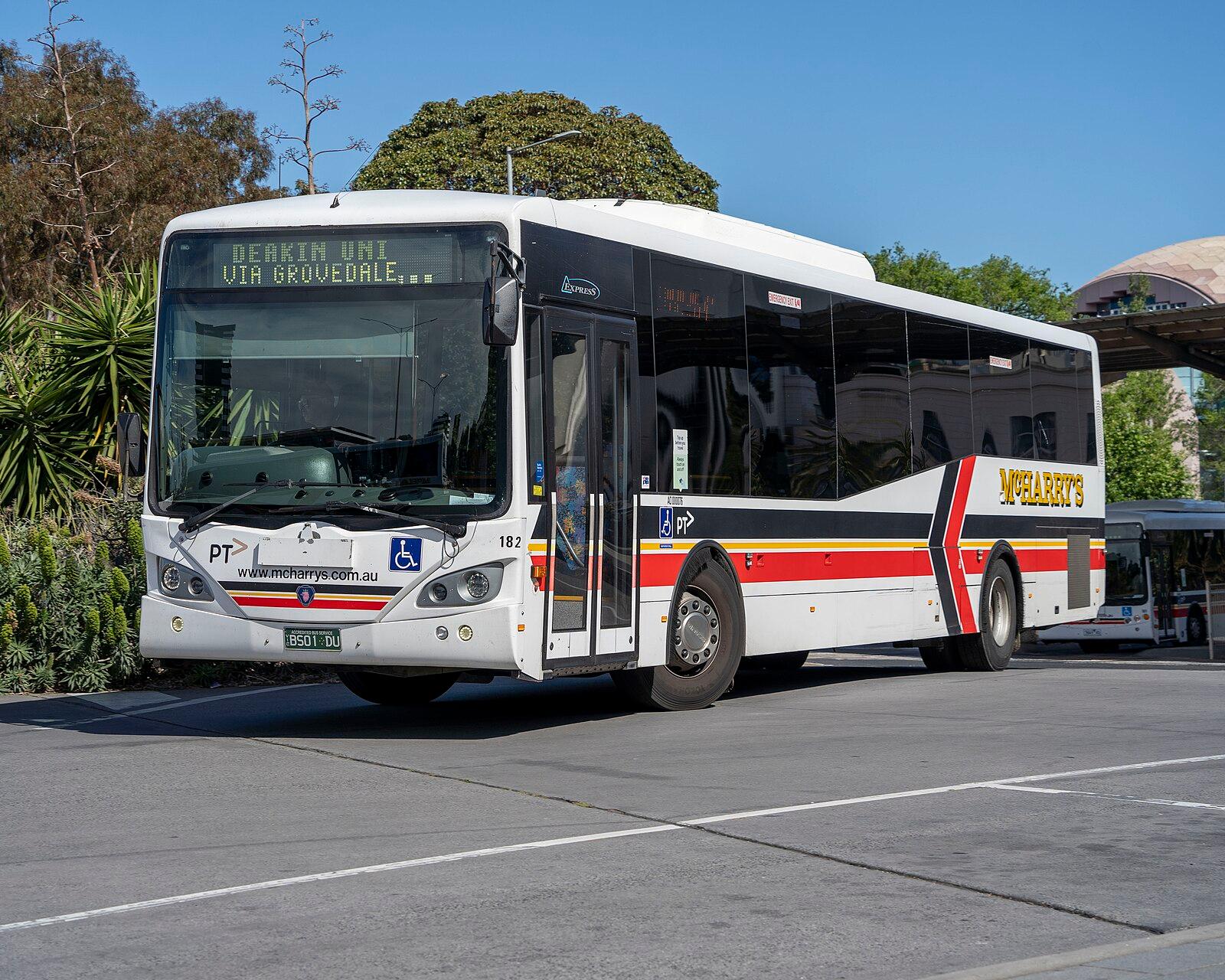
Geelong is at a crossroads, with the city undergoing significant changes in its manufacturing sector, housing market, and environmental planning. The once-thriving automotive industry has given way to new investments and initiatives, shaping the city's future.
This matters now because the city's ability to adapt and evolve will determine its long-term prosperity. With the federal government's Geelong City Deal investment and Deakin University's research and job creation efforts, the city is poised for growth. However, managing this growth sustainably and ensuring it benefits all members of the community is crucial.
In Geelong, specific areas like the Geelong Waterfront, Ryrie Street, and the suburb of Armstrong Creek are experiencing significant transformations. The Geelong Performing Arts Centre and the National Wool Museum are also key cultural institutions in the city. Organisations like the City of Greater Geelong and the Committee for Geelong are working to balance development with environmental and social considerations. For example, the Surf Coast Environmental Planning strategy aims to preserve the region's natural beauty while accommodating housing growth and tourism.
Local Data and Trends
According to data from the Australian Bureau of Statistics, the population of Greater Geelong has grown by 12.1% since 2016, with the median house price increasing to around $640,000 as of June 2026. The City of Greater Geelong's own statistics show that over 1,000 new businesses have been established in the region since 2020, with a focus on industries like healthcare, education, and technology. Deakin University, a major employer and research institution, has invested heavily in facilities and programs, including its $140 million Geelong Waurn Ponds Campus redevelopment completed in 2024.
Looking ahead, managing growth while preserving the city's character and environment will be key. Residents and visitors can expect to see continued investment in infrastructure, including public transport and community facilities. Practical steps individuals can take include engaging with local planning processes, supporting sustainable businesses, and participating in community events that foster a sense of place and belonging. By understanding how Geelong arrived at this point and being involved in its future planning, the community can work together to create a vibrant, inclusive, and sustainable city for all.