news
Geelong Transforms from Manufacturing Hub to Diversified Economy
As Geelong continues to evolve from its manufacturing roots, a closer look at the city's history and current initiatives reveals a complex path to economic diversification.
How we reported this
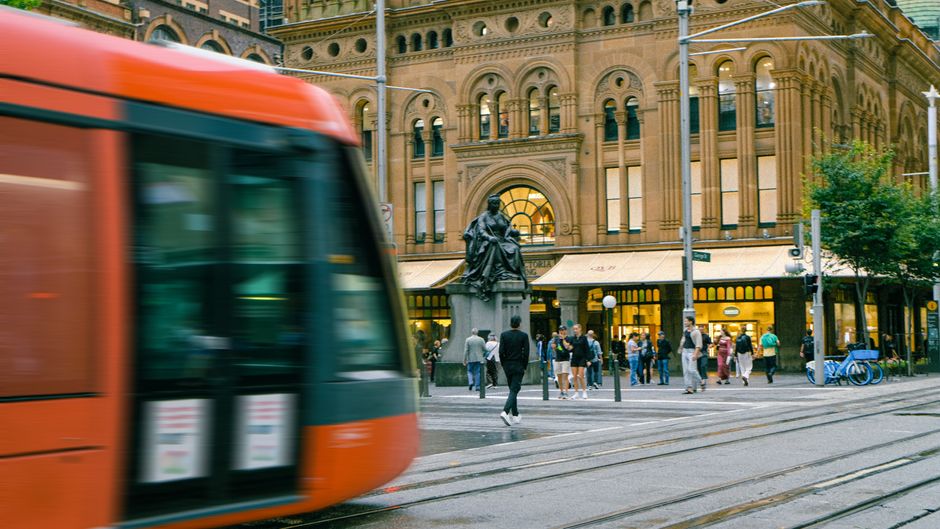
Geelong's economy has undergone significant changes in recent years, with the city transitioning away from its traditional manufacturing base. A key factor in this shift has been the decline of the automotive industry, which once dominated the local job market.
This change matters now because it has led to a period of economic adjustment for the city. As Geelong looks to the future, understanding how it arrived at this point is crucial for informing decisions about investment, job creation, and urban planning. The city's history, including the impact of the automotive industry's decline, has shaped its current economic landscape.
Locally, initiatives such as the Geelong City Deal have played a significant role in driving economic growth and diversification. This federal investment has supported projects like the redevelopment of the Geelong Waterfront and the establishment of the Deakin University Waurn Ponds campus as a hub for research and innovation. Specific areas like the Geelong CBD, including Ryrie Street and Malop Street, have seen increased activity, with new businesses and services opening to cater to the growing student population and visiting professionals. Organisations such as the Geelong Chamber of Commerce and the Committee for Geelong have also been instrumental in promoting the city's potential for new industries and investment.
Statistics and Trends
Data from the Australian Bureau of Statistics (ABS) shows that between 2016 and 2021, the number of jobs in the manufacturing sector in the Greater Geelong area decreased by approximately 23%. In contrast, employment in the healthcare and social assistance sector increased by about 17% over the same period. The median house price in Geelong has also risen, reaching around $640,000 in June 2026, according to real estate data. These statistics highlight the city's transition towards service-oriented industries and the growing demand for housing, which is influencing urban development and planning decisions.
Looking ahead, practical advice for residents, investors, and policymakers includes focusing on education and training programs that align with emerging industries, such as renewable energy and advanced manufacturing. The city's investment in digital infrastructure, including high-speed internet and innovation hubs, will also be critical for attracting and retaining businesses. Furthermore, balancing growth with environmental sustainability, particularly in sensitive areas like the Surf Coast, will require careful planning and community engagement. By understanding the background context and how Geelong arrived at its current economic state, the community can work together to build a resilient and diverse economy for the future.