policy
Victorian Mental Health Support Bill advances through parliament: what it means for Geelong's community services funding
Legislation currently moving through state parliament will reshape how Victorian councils and nonprofits access mental health grants, with direct implications for which Geelong services receive state funding over the next three years.
Listen in English · 5 min
How we reported this
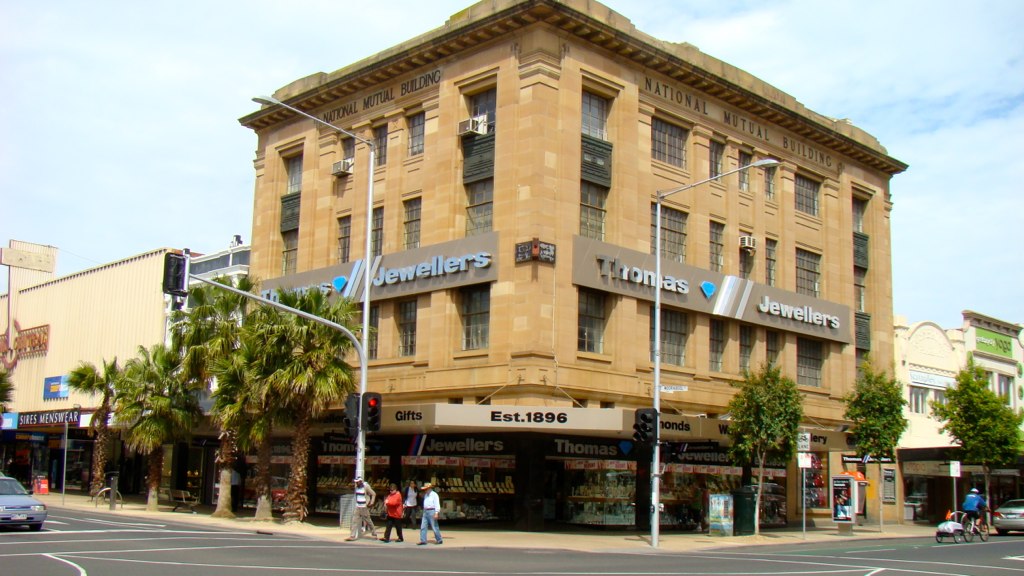
The Victorian Mental Health Support and Community Services Bill, expected to pass both houses of parliament by September, will overhaul the funding mechanism for regional mental health programs. The legislation centralises allocation decisions at state level rather than through local health networks, affecting how much money reaches Geelong's community health services, disability support providers and youth mental health programs.
Geelong currently hosts 14 funded community mental health services across the City of Greater Geelong and surrounding Surf Coast municipalities. These range from crisis counselling at agencies like Lifeline Geelong to school-based programs operated by local nonprofits. Under existing arrangements, funding decisions flow through the Barwon Health network and Victorian Department of Health regional committees. The new bill shifts this process, requiring all services to apply directly to a newly created state Mental Health Services Allocation Board by 1 April 2027.
Who gets the money, and how it changes
The policy introduces a weighted funding formula based on population need, disadvantage indices and service coverage gaps. For Geelong, this means services will be assessed against criteria including the region's unemployment rate (currently 4.8 per cent according to ABS data from May 2026), median income levels, and prevalence of mental health diagnoses. Currently, a service working in Bellerine Street and established 15 years ago might have grandfathered funding. Under the new scheme, that same service competes against new applicants using standardised metrics.
Local community advocates note the change creates uncertainty for smaller nonprofits. A youth mental health service in Geelong West that employs 12 staff and serves 300 young people annually will need to reapply rather than have continuity guaranteed. Funding decisions now go through a transparent statewide process, which policy analysts say improves equity but risks disrupting established relationships between services and the Geelong community. The legislation does include a six-month transition period during which existing contracts remain funded while applications are assessed.
Budget impact and timeline for Geelong
The bill allocates $47 million across three financial years (2027-28 through 2029-30) for community mental health services across all Victorian regions. Geelong's share is not yet specified, pending completion of the needs analysis. In the 2024-25 financial year, Barwon Health region received $8.2 million in dedicated mental health community funding according to state budget papers, but the new board may redistribute these funds based on the new formula.
For Geelong residents, this means waiting until late 2026 to know which local services will continue at current staffing levels and which may contract. A disability respite care service in Bell Post Hill, for instance, cannot plan staff recruitment or hours of operation until the allocation board publishes its funding decisions, expected by December 2026. This affects not just staff but the 340 families in the Geelong region who rely on those services.
The legislation takes effect on 1 January 2027. Services must lodge applications by 1 April next year. The allocation board will consist of five members appointed by the Minister for Mental Health, including at least one person with lived experience of mental health issues and one regional representative.
Community groups in Geelong are being advised to document their service reach now and prepare funding submissions early. The Department of Health has announced free application training workshops for regional services starting in November 2026, with sessions held at Deakin University and the Geelong Community Foundation offices.