property
Geelong Council Rewrites the Rulebook on Density and Design
A sweeping overhaul of planning controls across Geelong's growth corridors and inner suburbs is forcing developers to rethink projects already in the pipeline.
How we reported this
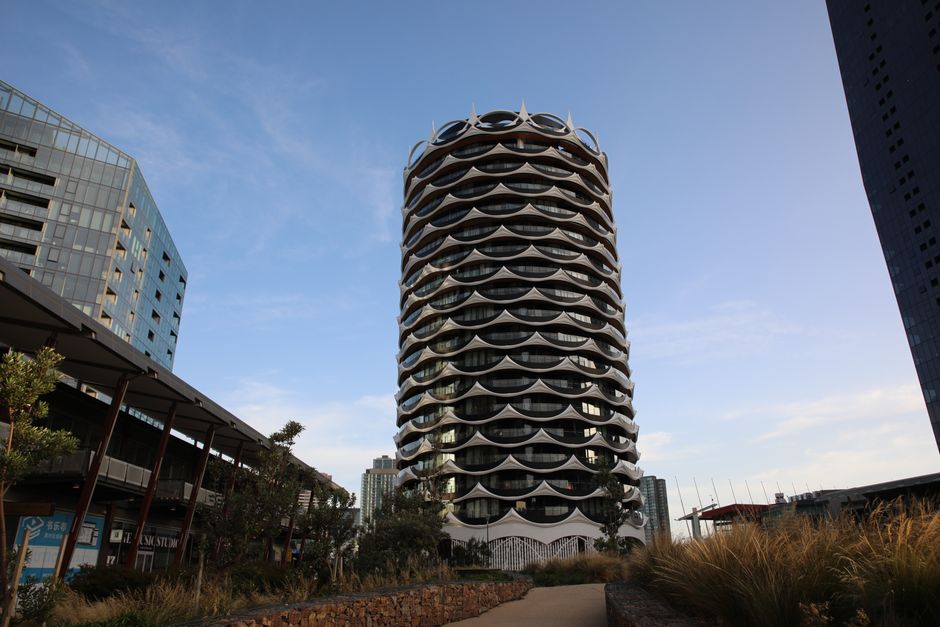
The City of Greater Geelong has moved to tighten design standards and lift minimum density requirements across a string of residential zones, with the changes taking effect from July 1 and applying immediately to new planning permit applications across the municipality. The amendments target everything from balcony dimensions and setback rules to the number of dwellings required per hectare in designated growth areas, a shift that planning consultants say will reshape what gets built across the region for the next decade.
The timing matters. Geelong's median house price is holding around $680,000 while construction costs remain elevated, and the state government's Housing Statement targets 800,000 new dwellings across Victoria by 2034. Council is under real pressure to absorb more of that growth, particularly in the Armstrong Creek Urban Growth Zone and along the Autumn Street and West Fyans Street corridors in Newtown and Geelong West, where infill development has accelerated sharply since 2022. Getting the design settings right, or wrong, will determine whether those areas end up liveable or overwhelmed.
What's Actually Changing
The most significant amendment applies to the General Residential Zone Schedule 1, which covers large parts of Belmont, Thomson and Corio. Council has reduced front setback allowances from 9 metres to 6 metres on lots below 500 square metres, a change explicitly designed to encourage terrace-style housing closer to the street. At the same time, minimum garden area requirements have been recalibrated, meaning developers can no longer shrink private open space to boost unit counts without triggering a formal variation process.
In Armstrong Creek, where more than 30,000 residents are projected to be living by 2040, the precinct structure plan now mandates a minimum of 15 dwellings per hectare across standard residential land. Previously, the effective density was sitting closer to 10 to 12 dwellings per hectare in many estates, according to figures compiled by the Geelong Sustainability Group in its February 2026 submission to council. That gap produced the low-density suburban sprawl that has drawn consistent criticism from urban planners and added strain to the Armstrong Creek Town Centre, which is still waiting on a second supermarket anchor tenant.
The Surf Coast interface also gets specific attention. New design overlay provisions now apply to properties within 500 metres of the Barwon River in Belmont and South Geelong, requiring that any building above two storeys demonstrate compliance with a view impact assessment. Council's planning department says the rule is a response to a cluster of permit applications along the River Road and Barwon Heads Road frontages that drew more than 200 objections between 2024 and 2025.
Developers and Buyers Both Watching Closely
For buyers, the practical effect won't be immediate. Projects already holding permits are unaffected. But anyone purchasing off-the-plan in a new Geelong West or Manifold Heights development from this point should ask explicitly whether the project was designed to the old or new standards, the two can produce meaningfully different ceiling heights, storage provisions and outdoor areas.
Development applications lodged with the City of Greater Geelong jumped 18 percent between the 2023-24 and 2024-25 financial years, driven largely by medium-density townhouse projects across the inner west. Planning industry figures expect that pipeline to stall briefly as applicants reassess drawings against the updated schedules, then pick up again in the first quarter of 2027 once revised concept designs are ready to lodge.
Council is holding two public information sessions on the changes, one at Deakin University's Waterfront Campus on July 16 and a second at the Armstrong Creek Community Centre on July 23. Both sessions run from 6pm and include a Q&A with council planning officers. Permit applicants with projects currently under assessment have until August 15 to submit amended plans if they want to align voluntarily with the new standards rather than have conditions imposed at decision stage.
This article is general information only and is not personal financial or investment advice. Consider your own circumstances and seek licensed professional advice before making financial decisions.