property
Own an Investment Property But Rent Where You Live: Why Rent-Vesting Is Taking Hold in Geelong
With stamp duty costs ballooning and median house prices sitting near $680,000, a growing number of Geelong residents are buying where they can afford and renting where they want to live.
How we reported this
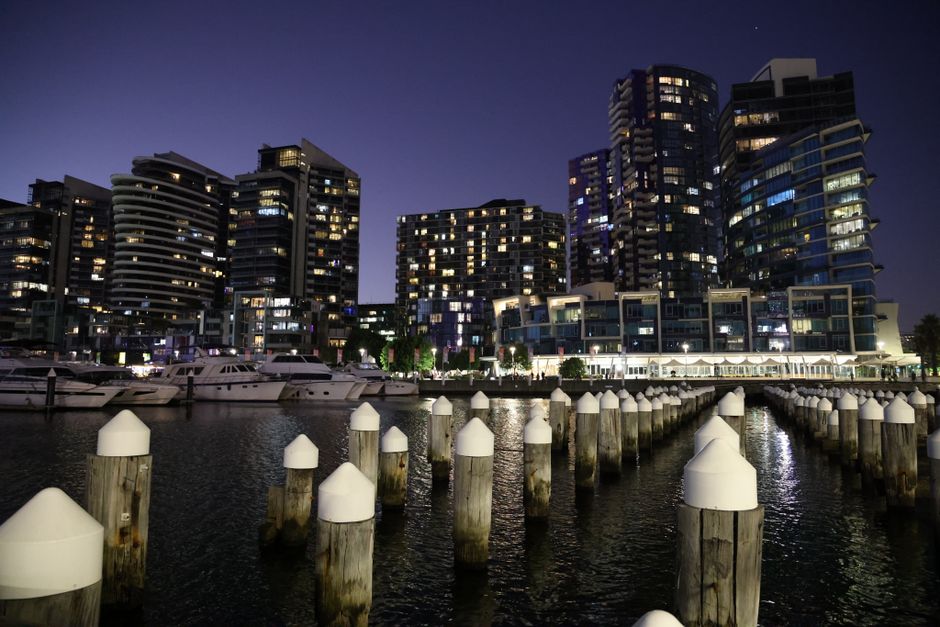
The numbers are forcing a rethink. Geelong homebuyers are now staring down stamp duty bills that have blown out dramatically over the past two decades, layered on top of a Victorian median house price hovering around $680,000. For first-timers and upsizers alike, the maths of traditional home ownership in this city is getting harder to justify, and a strategy once considered fringe is moving firmly into the mainstream.
Rent-vesting, the practice of renting your primary residence while purchasing an investment property in a more affordable location, has gained serious traction across the Geelong region through the first half of 2026. Financial advisers and buyer's agents working the G21 corridor, the regional partnership spanning Geelong, the Surf Coast, Golden Plains, Colac Otway and Queenscliffe, say they are fielding more inquiries about the approach than at any point in the past five years.
The why is straightforward. Stamp duty on a $680,000 property in Victoria currently sits at approximately $36,830. That is cash out the door on day one, producing no equity, no rental yield and no capital gain. For a buyer who also needs to fund a 20 per cent deposit, $136,000 on that same median-priced home, the upfront burden before a single mortgage repayment is made tops $170,000. Many Geelong households simply do not have that sitting in an offset account.
The Local Calculus: Renting in Newtown, Buying in Corio
Here is where the strategy gets specific to this market. A three-bedroom house on or near Pakington Street in Newtown, one of Geelong's most sought-after lifestyle strips, will rent for roughly $2,400 to $2,600 a month. Purchasing a comparable property there would likely cost $950,000 or more, with stamp duty alone adding another $51,000. By contrast, a three-bedroom house in Corio or Norlane, northern suburbs with good freeway access and solid public transport links to Geelong CBD, can still be purchased in the $400,000 to $480,000 range. Stamp duty on a $450,000 purchase drops to around $21,970, a saving of roughly $30,000 compared with the Newtown scenario.
The rent-vesting play writes itself: rent in Newtown, buy in Corio, collect rent from your Corio tenant, and use that income to partially offset your own rent. The investor retains lifestyle access to the suburb they want to live in while building an asset base in a suburb they can actually afford to enter. Armstrong Creek, the major growth corridor south of Geelong where new estates such as Warralily and Calderwood continue to deliver stock, offers another entry point, new four-bedroom homes are trading between $550,000 and $620,000, yields are running at approximately 4.1 per cent, and the area's population growth is underpinning demand from tenants.
The Risks Are Real, But So Is the Logic
Rent-vesting is not a cheat code. Investors carry land tax obligations in Victoria that owner-occupiers do not, and the absence of the principal place of residence capital gains tax exemption means any eventual sale of the investment property will attract CGT on profits. Renters also wear the instability of lease renewals and rent increases, a live issue in Geelong, where residential vacancy rates have been sitting below one per cent for much of 2025 and into 2026.
The Regional Development Victoria office in Geelong and various Surf Coast Shire first-home buyer education programs have both noted rising interest in alternative pathways to property ownership. The Victorian Homebuyer Fund, which offers shared equity arrangements for eligible buyers, can be layered alongside a rent-vesting structure for those who qualify, potentially reducing the deposit required to as little as five per cent on the investment purchase.
Geelong buyers considering this path should get independent advice, a mortgage broker with experience in investor lending, a financial planner familiar with Victoria's land tax thresholds, and a buyer's agent who works the specific suburbs on the shortlist. The strategy demands more moving parts than a standard purchase, but for a generation locked out of the suburbs they actually want to call home, it is increasingly looking like the only door left open.
This article is general information only and is not personal financial or investment advice. Consider your own circumstances and seek licensed professional advice before making financial decisions.