property
Geelong's Newtown Suburb Still Offers Hidden Value for Smart Buyers
Geelong's most sought-after suburb hasn't lost its blue-chip credentials, and patient buyers are still finding value hiding in plain sight.
How we reported this
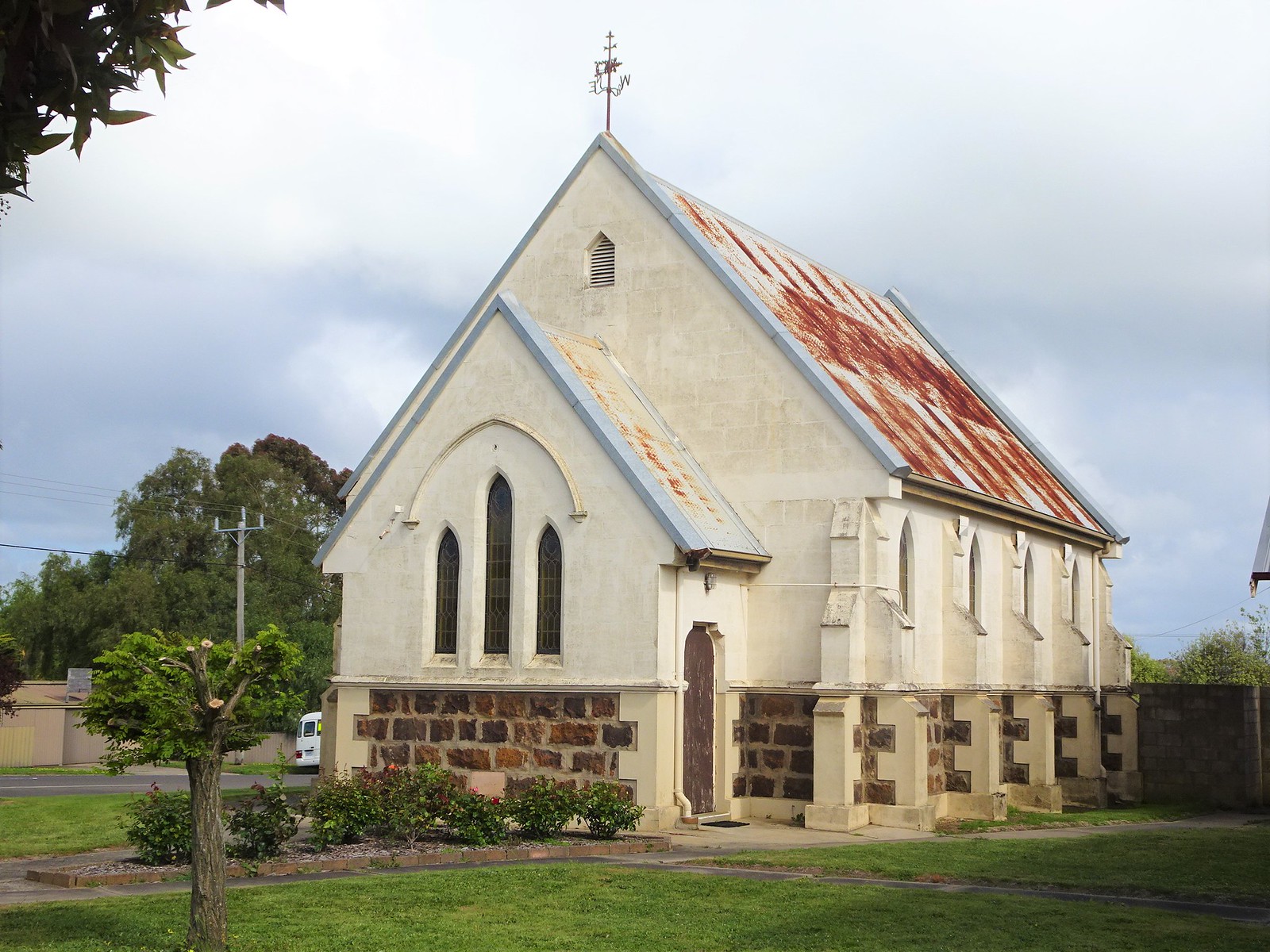
Newtown's median house price sits at roughly $1.05 million, a figure that sends some buyers straight back to the Armstrong Creek land releases. But property professionals and local sales data tell a more nuanced story: pockets of Newtown, particularly west of Pakington Street and closer to the Barwon River trail, are still producing entry-level opportunities in the $850,000-$920,000 range that the suburb's reputation rarely gets credit for.
The timing matters. Melbourne's auction market recorded its weakest start to a winter in memory this year, and ripple effects have reached Geelong. Volumes are down, open-for-inspection crowds have thinned, and sellers who once expected unconditional offers within a week are negotiating. For buyers with finance pre-approved and a clear target suburb, that dynamic is a genuine advantage, particularly in a market like Newtown where stock has historically turned over at low volumes, meaning each correction or pause hands leverage to the prepared buyer.
What Makes Newtown Different from the Growth Corridors
Newtown is not Armstrong Creek. That distinction is worth spelling out. Armstrong Creek, Geelong's dominant growth corridor to the south, is built around new estates, land releases, and infrastructure that is still catching up with population. Schools, ovals, and shopping strips are being constructed in real time. Newtown, by contrast, is already finished. Its drawcard is the Pakington Street strip, independent cafes, wine bars, The Pivotonian Cinema, and the kind of walkable village retail that newer suburbs are still aspiring to, combined with proximity to Geelong West Primary School, the Barwon River parklands, and less than 15 minutes to the Geelong CBD.
The suburb also benefits from its position relative to the Geelong CBD's ongoing revitalisation. Investment around Cunningham Pier, the Little Malop Street precinct, and the continuing rollout of the City of Greater Geelong's City Quarter development has lifted the entire inner ring. Buyers in Newtown are purchasing into a suburb that sits at the intersection of lifestyle infrastructure that exists today and civic investment that is actively building value around it.
Lot sizes are the other quiet factor. Many Newtown blocks, particularly on streets like Aberdeen Street and Minerva Road, run to 600-700 square metres with older weatherboard or brick homes that price below the suburb's median. Some of those properties need work, which is precisely why the price gap exists. For buyers willing to renovate on a sub-$900,000 purchase, the land component alone represents a floor that growth-corridor land at similar prices cannot match.
Reading the Numbers Before Winter Ends
Victoria's statewide median house price is tracking around $680,000, according to current market reporting, which means Newtown sits comfortably above the state benchmark. That premium is earned. Vacancy rates in Newtown's rental market have historically run tight, which matters to investors calculating yield against holding costs at current interest rates.
The broader context from Generation Z buying intentions is also relevant here. National research suggests younger buyers have not abandoned the goal of home ownership despite affordability pressure, they have recalibrated their expectations. Geelong, and Newtown specifically, increasingly features in those recalibrations for buyers priced out of inner Melbourne. The V/Line Geelong line remains one of the most-used regional rail corridors in Victoria, and with Melbourne CBD employment still pulling commuters, anything within a short drive of Geelong Station holds structural demand.
For buyers considering Newtown right now, the practical advice is straightforward: target properties that have been sitting on market for 30 days or more, engage a local buyer's advocate familiar with the Barwon River-facing streets, and get independent building inspections completed before auction day rather than after. The suburb's days-on-market data has extended from mid-winter 2025 to mid-winter 2026, which means negotiation windows that were not available 18 months ago are genuinely open. Newtown's fundamentals have not changed. The market conditions around it have, temporarily, and that gap is where value lives.
This article is general information only and is not personal financial or investment advice. Consider your own circumstances and seek licensed professional advice before making financial decisions.