property
First-Time Buyers in Geelong: Your Guide to Cracking This Market Right Now
With Melbourne's auction scene stalling and Victoria's median price hovering around $680,000, Geelong is presenting a narrow but real window for buyers who know where to look.
How we reported this
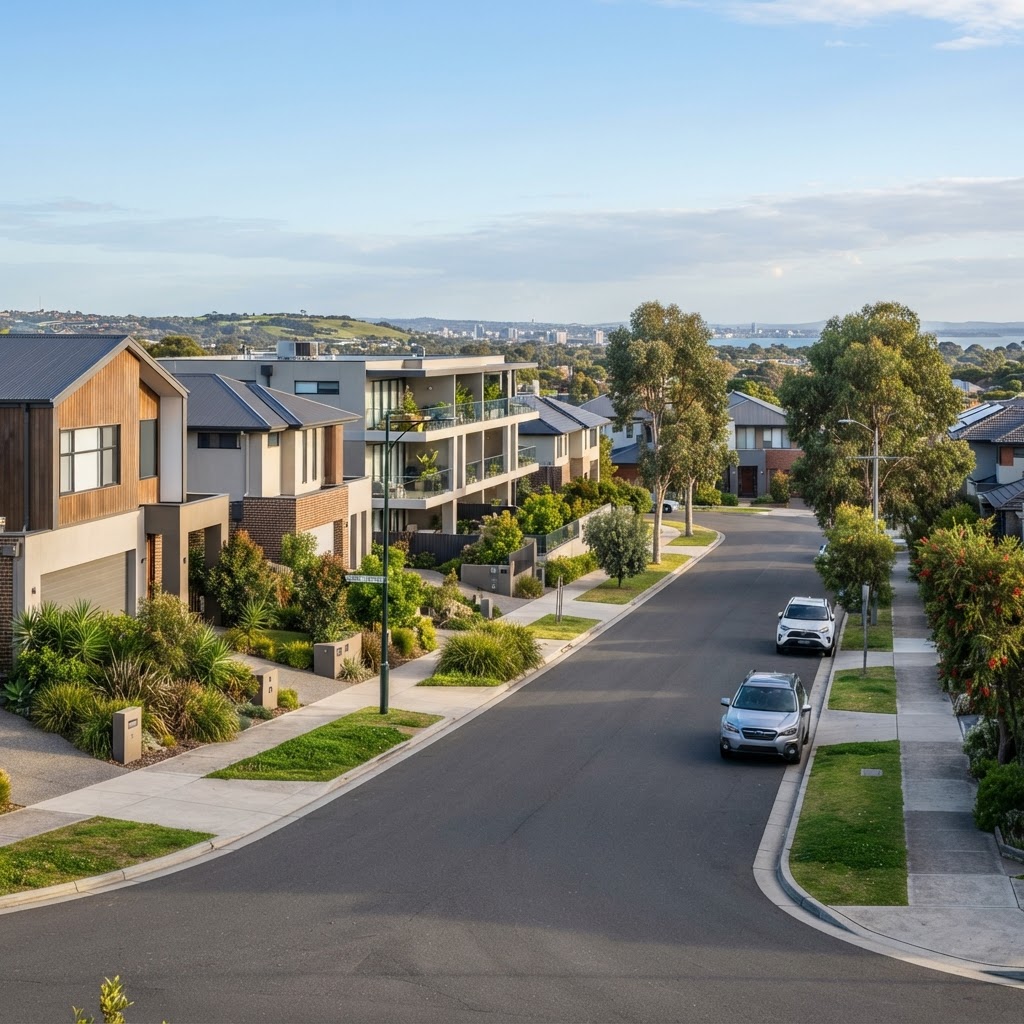
The numbers are uncomfortable but not impossible. Victoria's median house price sits at roughly $680,000, Melbourne's winter auction clearance rates have fallen to their worst start to the season on record, and yet first-home buyers, including a significant cohort of Gen Z purchasers, are still showing up. In Geelong, that stubbornness is paying off for those who do the groundwork before they do the bidding.
The broader slowdown in Melbourne is actually reshaping buyer behaviour along the commuter belt. Geelong, sitting 75 kilometres south-west of the CBD and connected by the Geelong line through Southern Cross Station, has long absorbed price-conscious buyers priced out of inner suburbs. That dynamic has intensified this winter. Entry-level stock in suburbs like Corio, Norlane, and Whittington is moving, but it is moving differently than it did 18 months ago, and first-timers who treat every property as urgent are making expensive mistakes.
Where the Opportunities Actually Are
Armstrong Creek is the suburb generating the most conversation among buyer's advocates working the Geelong south corridor. The growth precinct, which sits between Waurn Ponds and the Surf Coast Highway, has seen a wave of new land releases from developers including Villawood Properties and Peet Limited. House-and-land packages in that corridor have been advertised in the $580,000 to $650,000 range in mid-2026, putting them within reach of buyers accessing the Federal Government's Home Guarantee Scheme, which allows eligible first-home buyers to purchase with as little as a five percent deposit without paying lenders mortgage insurance.
The Geelong CBD renewal is also creating opportunity in a different form. Apartment and townhouse stock near Moorabool Street and the revitalised Little Malop Street precinct is attracting first-time buyers who want walkability and proximity to the Geelong train station without stretching to a full house purchase. Units in the central city have been listed in the high $300,000s to mid-$400,000s range, depending on size and finish, well below the state median and well within the threshold for the Victorian Government's First Home Owner Grant, which provides $10,000 to eligible buyers of new homes valued under $750,000.
Highton remains a benchmark suburb for family buyers. A property on the Highton ridge with a basketball court and views recently listed at circa $2 million, illustrating the upper end of that market. But quieter streets closer to Barwon River and Montpellier Road have seen more modest three-bedroom homes trade in the $700,000 to $850,000 band, still achievable for a dual-income first-home buyer with genuine savings discipline.
What Smart Buyers Are Doing Differently
Experienced local conveyancers at firms operating along Ryrie Street will tell any new client the same thing: get the Section 32 vendor's statement reviewed before the open for inspection, not after. In a market where stock is tight and competition can spike unexpectedly at auction, buyers who wait to engage legal help until they are emotionally committed are already behind.
The Geelong office of the First Home Buyer Advocacy Network runs free Saturday information sessions at the Geelong Library and Heritage Centre on Little Malop Street, a practical starting point that many overlook in favour of scrolling listings. The sessions cover stamp duty concessions, grant eligibility, and pre-approval timelines, all of which interact in ways that can catch buyers off guard if they have not modelled their budget carefully.
Practically speaking, the next six to eight weeks represent a genuine testing period for the Geelong market. Spring listings traditionally begin building from late August, which will ease competition slightly. Buyers who have finance pre-approved and legal support lined up by early September will be better positioned than those scrambling to assemble that infrastructure once a property catches their eye. The window is not closing, but it is not standing still either.
This article is general information only and is not personal financial or investment advice. Consider your own circumstances and seek licensed professional advice before making financial decisions.