property
Norlane Tops Geelong's Rental Yield Table as Investors Circle the North
While lifestyle buyers chase Surf Coast sea changes, a working-class suburb six kilometres from Geelong's CBD is quietly delivering some of the strongest rental returns in regional Victoria.
How we reported this
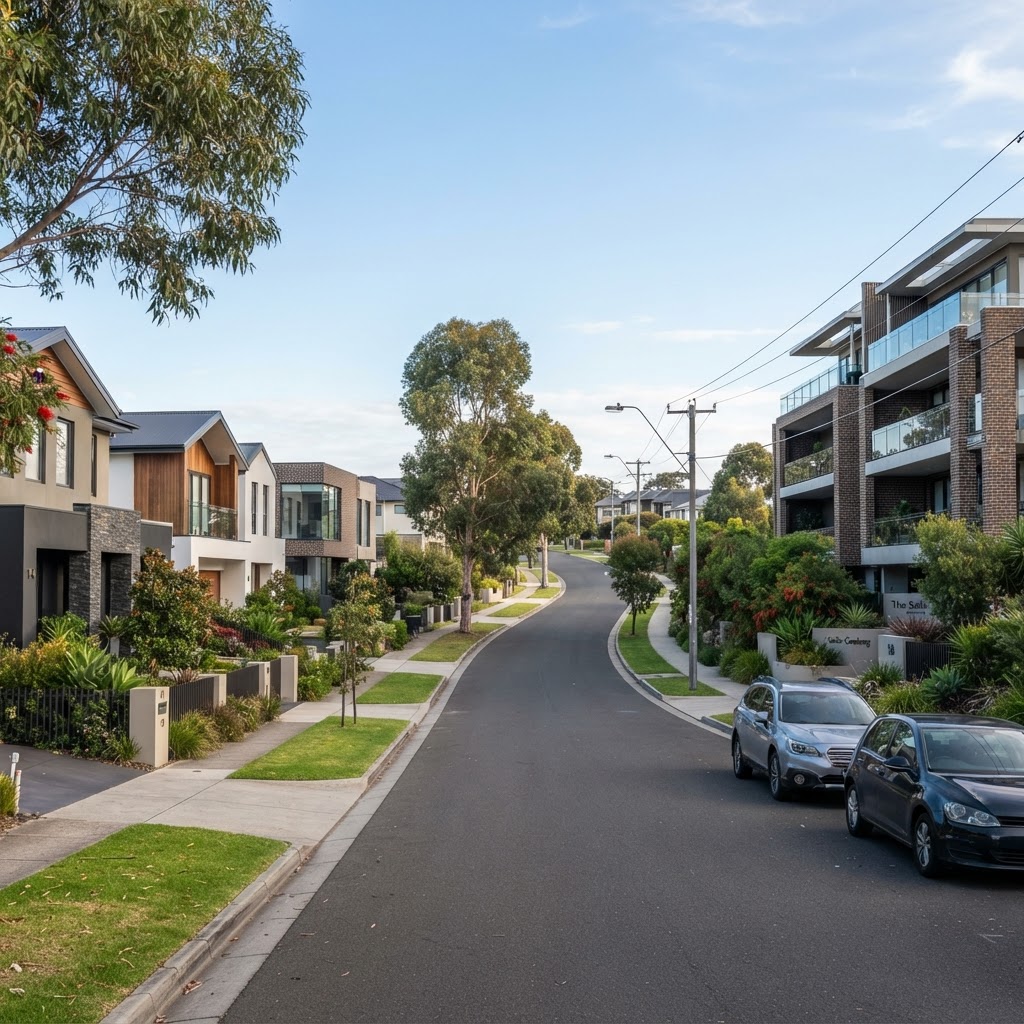
Norlane is having a moment. The suburb that spent decades in Geelong's shadow, written off by some as too industrial, too far from the water, too unglamorous, is now sitting at the top of local rental yield tables, with gross yields on entry-level houses consistently tracking above 5.5 per cent, according to aggregated listings data tracked through mid-2026. For investors priced out of Melbourne and tired of the Surf Coast's compressed yields, that number is getting attention.
The timing matters. Victoria's statewide median house price has stabilised around $680,000, and Geelong itself is feeling pressure from that benchmark. Buyers who spent the pandemic years rushing to Armstrong Creek greenfield estates or Torquay holiday-turned-permanent homes are now recalibrating. With the Reserve Bank's rate cycle having punished leveraged landlords for the better part of three years, cash flow has overtaken capital growth as the metric investors are watching. Norlane, where median house prices remain well below the broader Geelong median of roughly $620,000 to $640,000 for established stock, is one of the few suburbs where the rent-to-purchase-price equation still works in a landlord's favour.
What's Driving Demand on the North Side
Rental demand in Norlane is not abstract. The suburb sits adjacent to the Geelong Ring Road interchange and within a short drive of the Norlane and Corio industrial precincts, which continue to absorb workers from logistics, warehousing, and manufacturing operations that have expanded as supply chains reshored post-pandemic. Renters in this pocket tend to be long-term, blue-collar households, the kind that stay three to five years rather than cycling through every twelve months, which matters enormously to landlords calculating vacancy costs.
The Geelong Authority's ongoing work on the Central Geelong Action Plan has concentrated much of the city's renewal energy on the CBD waterfront corridor and the Johnstone Park precinct. That focus has had an indirect benefit for Norlane: infrastructure investment in connecting road and public transport links has improved access without inflating the suburb's land values to the same degree as areas closer to Geelong Station. The Princes Highway corridor and the Geelong line's North Shore station remain the primary commuter anchors for residents heading into the CBD or catching the V/Line to Melbourne's Southern Cross Station.
A standard three-bedroom weatherboard on a 600-square-metre block in streets around Golding Avenue or Lorne Road has been selling in the $420,000 to $480,000 range through the first half of 2026, while comparable properties are leasing at $380 to $420 per week. Run that arithmetic and the gross yield lands between 4.9 and 5.8 per cent, well above the 3.5 to 4 per cent that an investor would typically extract from a comparable dwelling in Newtown or Belmont. Net yields, once rates, insurance, and management fees are stripped out, are tighter, but experienced property managers operating out of Geelong's established agencies have noted that vacancy periods in the suburb have been running short.
What Investors Should Know Before They Move
Norlane is not a set-and-forget proposition. The suburb carries legacy issues, pockets of Housing Victoria stock, ageing infrastructure on some allotments, and variable street-by-street quality that makes due diligence on individual properties non-negotiable. Buyers using a buyer's agent or engaging a local conveyancer with specific knowledge of the northern suburbs will be better positioned to avoid the blocks closest to industrial zoning boundaries, where future amenity is less certain.
Insurance costs in older northern Geelong suburbs have risen materially since 2023, a factor that erodes net yields if not properly modelled before purchase. Investors should also watch the Geelong Council's planning scheme amendments affecting industrial buffer zones north of the Ring Road, which could reshape what gets built on vacant land nearby over the next decade.
The practical play for a Geelong-focused investor in July 2026 is straightforward: inspect streets, not just postcodes. Norlane's yield story is real, but it rewards the buyer who walks Golding Avenue on a Tuesday morning rather than the one who buys off a spreadsheet from Melbourne.
This article is general information only and is not personal financial or investment advice. Consider your own circumstances and seek licensed professional advice before making financial decisions.