property
Geelong's rental vacancy plummets to 1.1%, squeezing both renters and buyers.
With fewer than 200 rentals available across the entire region, the squeeze on tenants is worse than Melbourne’s CBD. But prospective buyers face their own wall of competition.
How we reported this
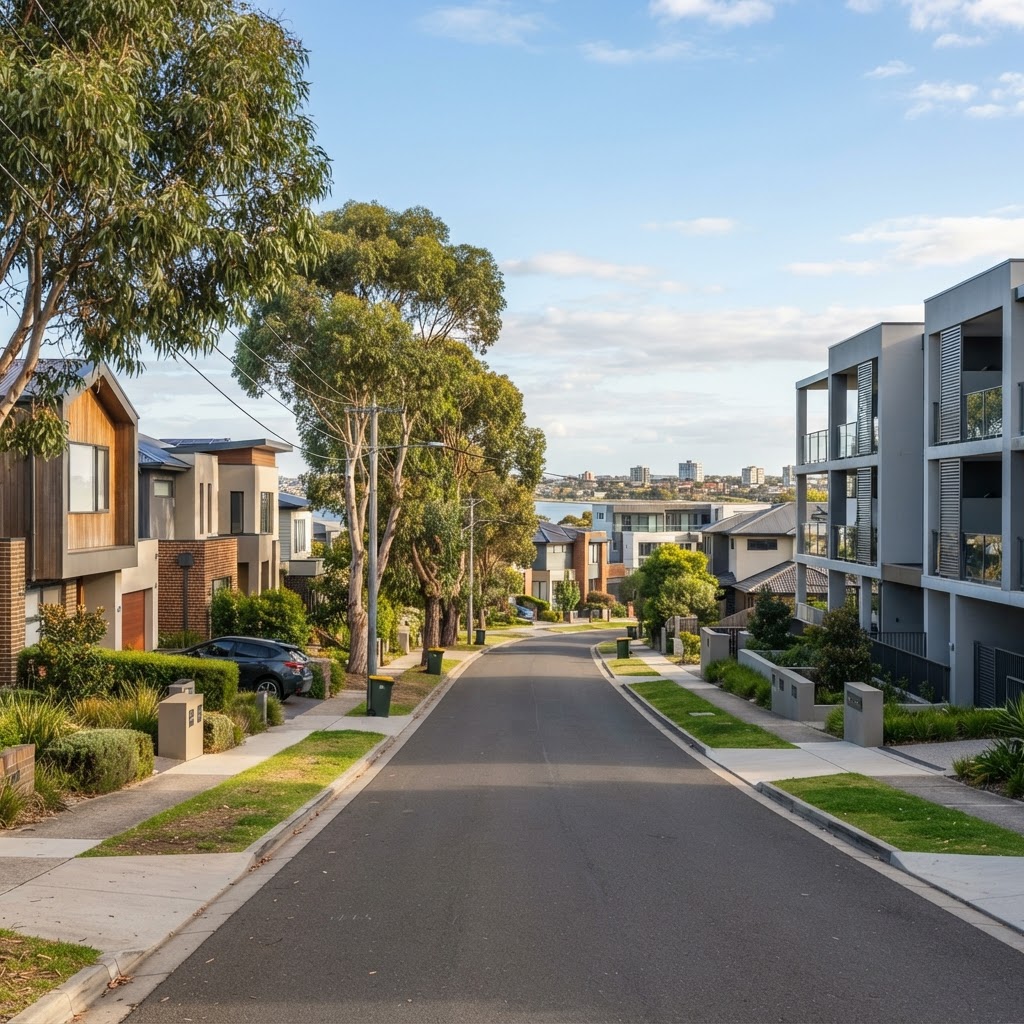
Geelong’s rental vacancy rate has dropped to 1.1 per cent, the lowest figure recorded since the Real Estate Institute of Victoria began tracking the region separately in 2019. That translates to roughly 180 advertised rentals across the entire Geelong, Surf Coast and Bellarine region, a figure local agents say is effectively a ‘no stock’ scenario for tenants looking to move.
The national average rental vacancy sits at 1.6 per cent, according to the June 2026 PropTrack Market Insight Report. Melbourne’s inner-city vacancy rate, by comparison, is 2.4 per cent. But Geelong’s squeeze is being driven by a specific local dynamic: population growth from Melbourne commuters outstripping new housing supply, combined with a surging short-stay accommodation market pulling long-term rentals off the books.
Where the pressure is worst
In Armstrong Creek, the suburb that has added more than 400 new dwellings in the past 18 months, the vacancy rate is actually below 0.6 per cent, meaning fewer than a dozen properties are available for lease at any given time. Agents at Barry Plant Geelong report that open-for-inspections at Armstrong Creek estates regularly attract 25 to 30 groups, and applications are being submitted within hours of listings going live. The situation is similar in Newtown, where the median rent for a three-bedroom house has climbed past $560 a week, up 11 per cent in just 12 months.
On the Surf Coast, the picture is even more stark. The vacancy rate in Torquay has hovered at 0.4 per cent since April, according to the Real Estate Institute of Victoria’s June data. The rise of platforms like Stayz and Airbnb has pulled an estimated 850 properties in the Surf Coast Shire out of the long-term rental pool, according to a council-commissioned housing study tabled in May 2026. That study found that short-stay accommodation now accounts for 7 per cent of all dwellings in Torquay and Jan Juc.
Why buying isn’t much easier
For renters hoping to escape the cycle by buying, the numbers are sobering. The Geelong median house price sits at $683,000, according to the June 2026 CoreLogic Home Value Index. That is up 4.2 per cent year-on-year, but still $180,000 cheaper than Melbourne’s median. The problem is that the most affordable stock, houses under $580,000, attracts the fiercest competition. Data from the Real Estate Institute of Victoria shows that properties priced between $500,000 and $600,000 in suburbs like Corio, Norlane and Whittington are selling in an average of 18 days, down from 35 days just two years ago.
First-home buyer grants and the federal government’s Help to Buy shared-equity scheme, which opened for 3 million eligible Australians in July 2026, have added more demand pressure to that price bracket. The Help to Buy scheme allows eligible buyers to purchase with as little as a 2 per cent deposit, with the government taking an equity stake of up to 40 per cent. But in a market where stock is scarce, even that assist doesn’t guarantee success.
Agents report that homes priced at the affordable end of the market in Geelong’s northern suburbs are regularly receiving multiple offers, often $20,000 to $30,000 above the asking price. The same is true for units and townhouses in Geelong West and South Geelong, where the median unit price has hit $495,000, a 6.7 per cent increase over the past 12 months.
For renters, the message from industry sources is blunt: start saving early, consider shared-equity or co-buying arrangements, and be prepared to act fast when a property that fits the budget appears. With the vacancy rate showing no sign of easing before spring, and with new supply slow to reach the market, the competition isn’t going anywhere soon.
This article is general information only and is not personal financial or investment advice. Consider your own circumstances and seek licensed professional advice before making financial decisions.