tech
From Waterfront Cafés to Western Heights: How Geelong's Tech Boom Is Rewiring Daily Life
Geelong's expanding innovation ecosystem is no longer just a talking point for council chambers, it's showing up in how residents shop, commute, and connect.
How we reported this
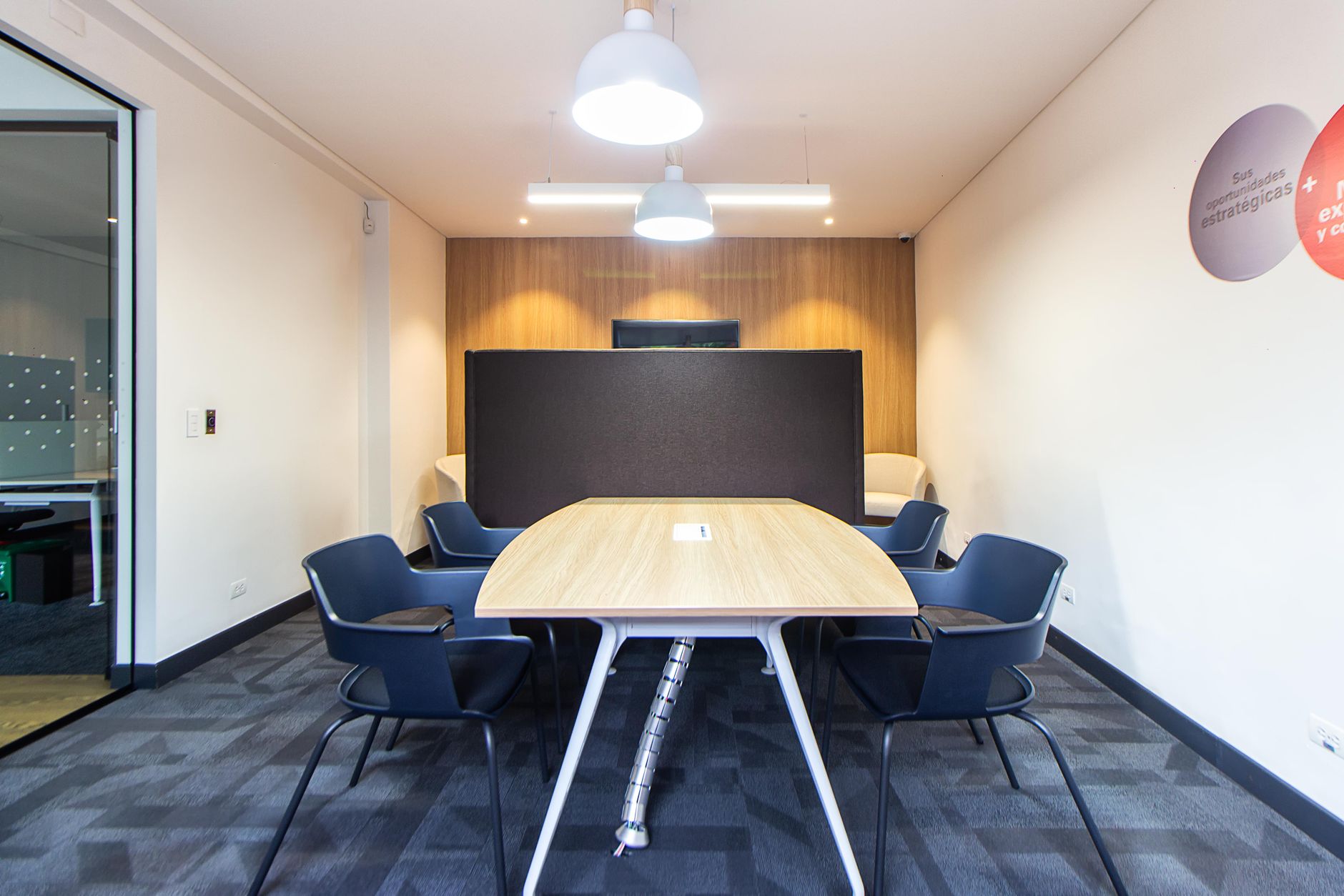
Geelong's tech sector crossed a threshold this year that urban planners and economists have been watching for: the city now hosts more than 340 registered technology businesses, up from fewer than 200 in 2022, according to figures released by the Committee for Geelong in June 2026. The shift is tangible on streets like Moorabool and Little Malop, where co-working spaces have displaced at least a dozen traditional retail tenancies in the past 18 months.
The timing matters because Geelong is absorbing these changes while still rebuilding its economic identity after the Ford closure a decade ago. The city has invested heavily, $47 million through the State Government's Regional Tech Activation Fund since 2024, in positioning itself as something other than a commuter satellite of Melbourne. That bet is starting to pay off in ways that touch ordinary residents, not just venture capitalists or startup founders pitching at the Geelong Convention and Exhibition Centre.
Innovation Hubs Are Moving Out of the CBD
The most visible change is geographic. For years, Geelong's tech activity clustered near the waterfront precinct around Cunningham Pier and the Innovation Quarter on Brougham Street. Now it's spreading. The Corio Innovation Node, which opened its doors in March 2026 in a repurposed warehouse on Bacchus Marsh Road, already has 60 desks at capacity and a waiting list of 27 small operators. Further south, Deakin University's ManuFutures facility at Waurn Ponds has expanded its advanced manufacturing program to include an AI-assisted prototyping lab that local tradespeople, plumbers, electricians, fabricators, can access for $35 a half-day session.
That accessibility is significant. It means a tiler from Belmont or a landscaper from Newtown can use computer-aided design tools without owning the software or hardware, then walk away with a prototype or a rendered proposal to show a client. Deakin reported 1,140 individual bookings at the Waurn Ponds facility between January and May 2026, a 68 percent increase on the same period in 2025. These are not tech workers by trade. They are residents finding that digital tools are now practical, not theoretical.
Browser security is another quiet frontier. With remote and hybrid work now accounting for roughly 44 percent of Geelong's white-collar workforce according to a May 2026 Barwon Regional Workforce Survey, residents are increasingly making consequential decisions about which software they trust with their data. The national conversation about privacy-focused browsers, accelerated by recent reporting on spyware compromising high-profile devices overseas, has filtered into local IT support businesses. Geelong-based firm Baytech Solutions on Ryrie Street told The Daily Geelong in late June that privacy browser configuration requests from small business clients had tripled since January, with clients asking specifically about options that limit data harvesting.
What Residents Can Do Right Now
The practical upshot for Geelong residents is that the barriers to accessing innovation infrastructure are lower than most people realise. Deakin's Waurn Ponds ManuFutures bookings are open to the public via its online portal, with subsidised rates for holders of a current concession card. The Corio Innovation Node accepts casual memberships at $25 a day, no ABN required. The Gordon TAFE's new Digital Skills Launchpad on Fenwick Street, which runs eight-week courses starting each term, still has places available for its Term 3 cohort beginning July 28, courses cover everything from basic cybersecurity hygiene to AI-assisted business tools, with fees starting at $180 after the Skills and Jobs Centres subsidy.
Geelong is not waiting for technology to arrive. It is already inside the mechanics of daily life here, in a tradie's design session in Waurn Ponds, in a café owner on Pakington Street choosing which payment platform to trust, in a parent in Highton asking which browser their child's school laptop should run. The infrastructure now exists to help residents make those choices with some expertise behind them. The question is whether people know to walk through the door.