tech
Why Geelong's Tech Ecosystem Is Turning Heads Far Beyond Victoria
From Ryrie Street co-working spaces to deep-tech spinouts at Deakin University, Geelong has built something most regional cities only talk about.
How we reported this
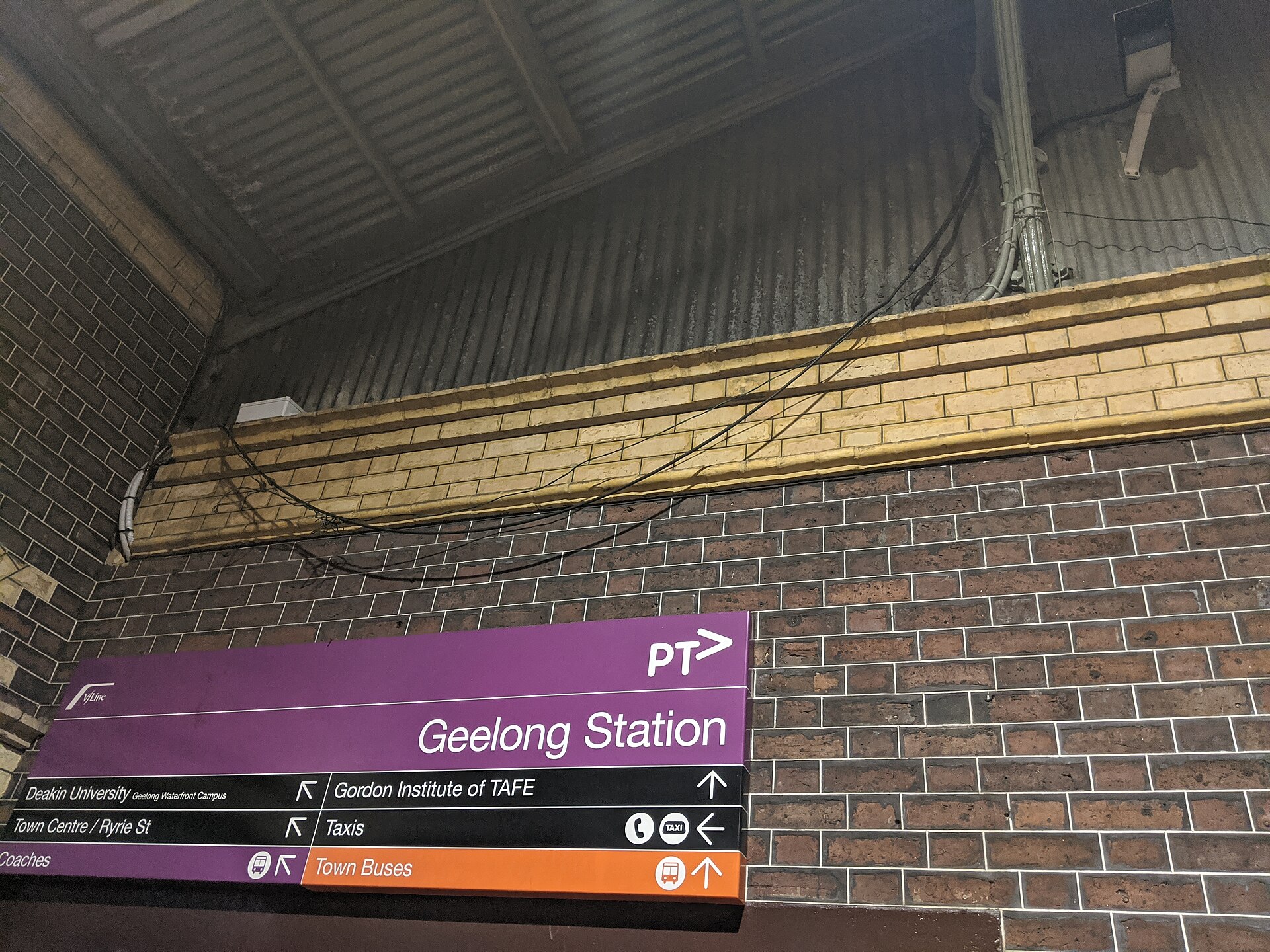
Geelong's technology sector added more than 1,400 jobs in the 18 months to June 2026, according to figures released this week by the Committee for Geelong, a growth rate that outpaces Melbourne's CBD tech corridor on a per-capita basis and has drawn delegations from Singapore and the Netherlands looking to understand how a city of 280,000 people pulled it off.
The timing matters. Globally, mid-sized cities are scrambling to position themselves as alternatives to expensive, congested tech capitals. With San Francisco rents still brutalising startups and London's talent pipeline tightening post-Brexit, investors and founders are actively hunting for ecosystems that offer critical mass without the overhead. Geelong, it turns out, has spent the better part of a decade quietly building exactly that.
What Geelong Actually Built, and Where
The anchor is GTP, the Geelong Technology Precinct, on Brougham Street, which opened its second building in March 2026 and now houses 63 resident companies, up from 31 at the end of 2024. The precinct is not a glorified desk-rental operation. Tenants include advanced manufacturing software firm Atura Systems, a quantum-sensing startup spun out of Deakin University's Institute for Intelligent Systems Research and Innovation in Waurn Ponds, and a cybersecurity consultancy that counts three state government departments among its clients. GTP management charges resident startups a subsidised rate of $480 per desk per month, roughly 40 percent below comparable Melbourne CBD rates, and pairs that with structured access to Deakin's engineering faculty.
Deakin is the other load-bearing wall in this structure. The university's Waurn Ponds campus has produced 14 commercialised spinouts since 2022, compared with six in the preceding four years, a jump its commercialisation office attributes to a retooled equity-sharing model introduced in mid-2023 that gives founding researchers a larger stake in their own IP. Several of those companies are now raising Series A rounds, with at least two doing so from offshore venture firms.
Then there is the Pivot precinct on Gheringhap Street, a converted warehouse that functions as the city's scrappier, more informal startup corridor. Monthly pitch nights there routinely attract 200-plus attendees and have become a genuine talent magnet, drawing engineers from as far as Brisbane who relocated specifically for the community density and lower cost of living. Average rental for a three-bedroom house within 5 kilometres of the central business district sits at $430 per week as of June 2026, compared with $720 in Melbourne's inner suburbs.
The Edge That Is Hardest to Copy
Cost alone does not explain what Geelong has. Brisbane is cheaper. Ballarat is cheaper. What differentiates Geelong is the tight coupling between industry, university research and a municipal government that has moved faster than most. The City of Greater Geelong approved a $12 million Digital Economy Strategy in February 2025 that funded fibre upgrades across the Newtown and Belmont commercial strips, created a grants pool for pre-seed companies and funded a dedicated chief digital officer role, a position that did not exist three years ago.
The cybersecurity angle is worth watching separately. News this week of a European politician having his phone compromised by Pegasus spyware underscored just how acute demand for credible security expertise has become. At least four Geelong-based firms now operate in the defensive security space, and two are actively recruiting after picking up federal government contracts in the past six months.
For founders weighing where to base a company, the practical calculation is becoming less abstract. The next Geelong Startup Week runs September 14-19, 2026, with the GTP hosting applications for its Spring 2026 intake through July 31. Deakin's commercialisation office has an open expression-of-interest process for researchers with market-ready IP. None of these pathways require relocation to a capital city. That, more than anything else, is what other cities are flying in to study.