wellness
Mindfulness in schools: what local programs are available
From Newtown classrooms to the Surf Coast corridor, Geelong schools are bringing structured meditation and mindfulness programs into the timetable, here's what's on offer and what the evidence says.
How we reported this
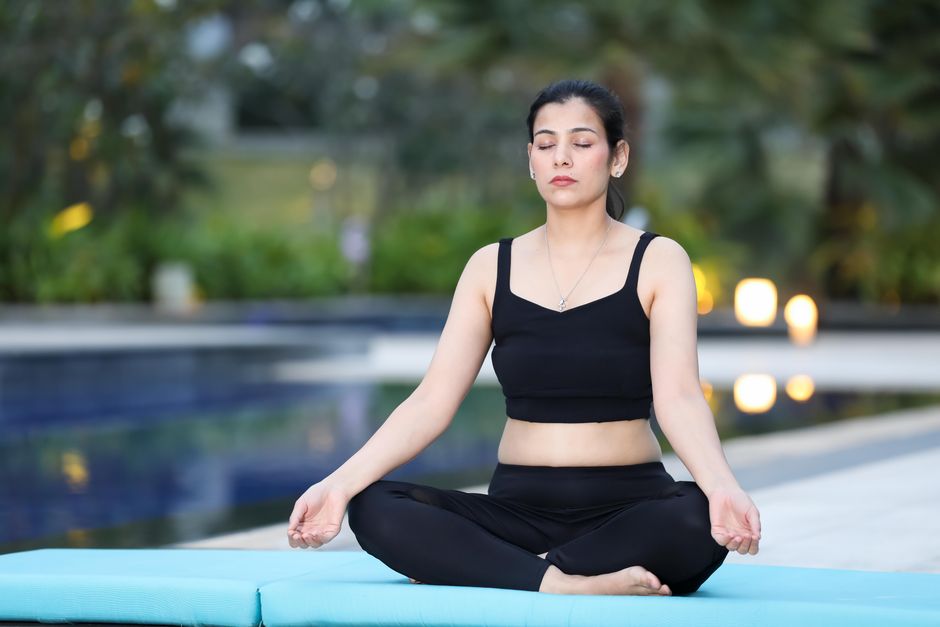
Several Geelong-region schools have embedded formal mindfulness programs into weekly schedules this year, moving the practice from the occasional relief-teacher filler into assessed wellbeing curriculum. The shift is deliberate, driven partly by Barwon Health data showing youth anxiety presentations at University Hospital Geelong rose roughly 18 percent between 2022 and 2025.
The timing matters. Housing affordability stress is filtering down to children whose families are stretched thin. Adolescents are carrying economic anxiety alongside the usual academic pressure, and teachers are reporting it in classrooms from Corio to Torquay. Structured mindfulness, breathing exercises, body-scan techniques, guided attention practice, is one lever schools can pull without waiting for a mental health system referral.
What's running in Geelong right now
Sacred Heart College on McKillop Street runs a program called MindUP, a curriculum developed by the Hawn Foundation that packages neuroscience basics alongside breathing and gratitude exercises into 15-minute daily sessions. The college integrated it into Year 7 and 8 homerooms at the start of Term 1 this year. MindUP has been independently evaluated in Canadian school systems, with a 2015 University of British Columbia study finding participants showed a 24 percent reduction in self-reported stress over 12 weeks, the same study measured improved maths performance as a secondary outcome.
Across town, Bellarine Secondary College at Drysdale has been trialling a different model through the Smiling Mind app, which is free to download and offers a dedicated schools portal with teacher dashboards. Smiling Mind, a Melbourne-based non-profit, reports more than 4.7 million registered users nationally as of early 2026. The Drysdale campus began a structured eight-week pilot with Year 9 students in Term 2, with wellbeing coordinator feedback due to go to the school council in August.
Primary schools are also moving. Manifold Heights Primary School introduced three-minute mindfulness breaks, timed breathing exercises using a visual timer projected on the classroom whiteboard, after staff completed professional development through the Be You program, run by Beyond Blue and Early Childhood Australia. Be You training is available to Victorian government schools at no cost under the current state funding arrangement, which runs through to December 2027.
Finding the right fit for your child's school
Not every program suits every cohort. MindUP works well in structured secondary environments because it ties mindfulness to brain anatomy, students learn what the prefrontal cortex does before they practise quieting it, which appeals to adolescents who resist anything that feels like therapy. Smiling Mind is more self-directed and suits schools with reliable device access. For primary years, shorter, teacher-led breathing exercises embedded in transitions between lessons tend to have better uptake than dedicated meditation sessions, according to guidance published by the Australian Institute of Health and Welfare in its 2024 youth mental health framework.
Geelong's own Barwon Health Child and Adolescent Mental Health Service (CAMHS), based on Ryrie Street, offers consultation support to local schools developing wellbeing programs, though it does not deliver classroom programs directly. Parents wanting to extend mindfulness practice beyond school hours can look at the free Geelong Waterfront parkrun on Saturday mornings at Eastern Park, exercise and structured outdoor time are consistently cited alongside meditation as evidence-backed anxiety reducers, or the walking trails along the Barwon River between Queens Park and Breakwater, which several local psychologists recommend as low-cost daily decompression for families.
If your child's school hasn't yet adopted a formal program, the Australian Curriculum now includes personal and social capability standards that mindfulness activities can satisfy, which gives parents a practical hook for conversations with principals. The Victorian Department of Education's Mental Health in Primary Schools initiative, MHiPS, has trained mental health practitioners embedded in more than 100 state primary schools statewide; families can check with their school office whether a MHiPS practitioner is allocated to their campus.
Parents should consult their GP or a registered psychologist before seeking clinical-grade mindfulness-based therapy for a child showing significant anxiety symptoms. School programs are preventive, not diagnostic.