wellness
Gut Health 101: Fermented Foods You Can Find Locally
From kefir at the Geelong Farmers' Market to kimchi stocked in Pakington Street delis, the region's gut-friendly food scene is closer, and cheaper, than most residents realise.
How we reported this
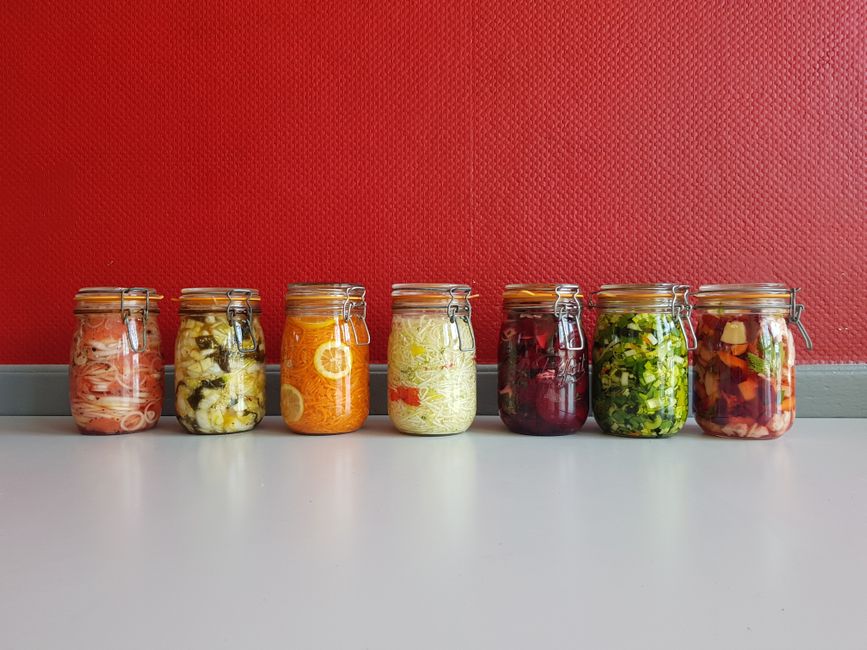
Fermented foods have quietly moved from niche health-food shelves into mainstream Geelong kitchens, and local producers, dietitians and market stallholders say demand has accelerated sharply over the past eighteen months. Interest in the gut microbiome, the roughly 38 trillion bacteria living in the human digestive tract, is driving the shift, with Australians spending an estimated $4.1 billion on digestive health products in the 2025 financial year, according to IBISWorld figures released earlier this year.
The timing is not accidental. A sustained period of economic pressure has pushed more people toward preventive health strategies rather than reactive ones. Buying a $9 jar of sauerkraut at a weekend market feels more manageable than a GP co-payment for something that can, in many cases, be addressed through diet first. Barwon Health's community health teams have flagged gut-related complaints, bloating, irregular digestion, low energy, among the most common issues raised at its South Geelong and Corio clinics this year.
Where to Find It in Geelong
The Geelong Farmers' Market, held on the third Saturday of each month at the Geelong Showgrounds on Breakwater Road, is the most reliable local source. At least three regular stallholders sell house-fermented goods: kombucha brewed in Lara, traditionally cultured yoghurt from a Bannockburn dairy operation, and a rotating selection of vegetable ferments, carrot and ginger, classic dill pickle, red cabbage, priced between $8 and $14 per 500ml jar. Stock moves fast; serious buyers arrive before 9am.
Pakington Street in Newtown is the other obvious hunting ground. The Nourish wholefood store stocks refrigerated kefir, both dairy and water-based, alongside a range of miso pastes sourced from a Melbourne producer who uses Australian-grown soybeans. Kefir, a fermented milk drink containing upward of 30 distinct bacterial strains depending on the culture used, typically retails there for around $6.50 per 500ml. A few doors down, a Lebanese grocer carries live-culture labne and naturally fermented turnip pickles, the kind made with beetroot brine rather than vinegar, which preserves the probiotic activity.
For those who prefer not to venture into the CBD, the Barwon Heads Road IGA in Armstrong Creek began stocking Remedy Kombucha and Babushka kefir in January 2026 after customer requests pushed management to expand the refrigerated health section. Neither product is as biodiverse as small-batch artisan alternatives, but they are accessible, consistent and available seven days a week.
What the Evidence Actually Says
The science on fermented foods, while promising, carries caveats worth understanding. A landmark 2021 Stanford University study, published in the journal Cell, found that a diet high in fermented foods increased microbiome diversity and reduced 19 inflammatory proteins in participants over a ten-week period. Microbiome diversity is broadly associated with better metabolic health, stronger immune response and reduced risk of conditions including type 2 diabetes and irritable bowel syndrome. That research involved 36 adults eating around six servings of fermented food per day, a far higher intake than most people manage, so proportional benefits at lower consumption levels remain an area of active study.
Registered dietitians at Barwon Health consistently advise patients that fermented foods work best as part of a broader diet rich in plant fibre, which feeds existing gut bacteria rather than simply introducing new ones. Asparagus, leeks, garlic and slightly underripe bananas, all available at the Queen Victoria Market pop-up held monthly at Corio Village, are among the best local, affordable sources of prebiotic fibre.
The practical starting point for most people is straightforward: pick one fermented food you actually enjoy eating, add it to meals three or four times a week, and build from there. A tablespoon of miso stirred into a soup after the heat is off, a spoonful of sauerkraut alongside a sandwich, or a glass of kefir in the morning are low-cost, low-effort entry points. Anyone managing a specific digestive condition should speak with a Barwon Health GP or an accredited practising dietitian before making significant dietary changes, individual responses to fermented foods vary considerably, and some high-histamine ferments can worsen symptoms for certain people.
The next Geelong Farmers' Market is Saturday, 19 July. Gates open at 8am.