wellness
Staying hydrated in Geelong: how much you actually need to drink, and what counts
With winter sunshine and cool-but-deceptive coastal air along the Waterfront, local health experts say Geelong residents are chronically underestimating their daily fluid needs.
Listen in English · 4 min
How we reported this
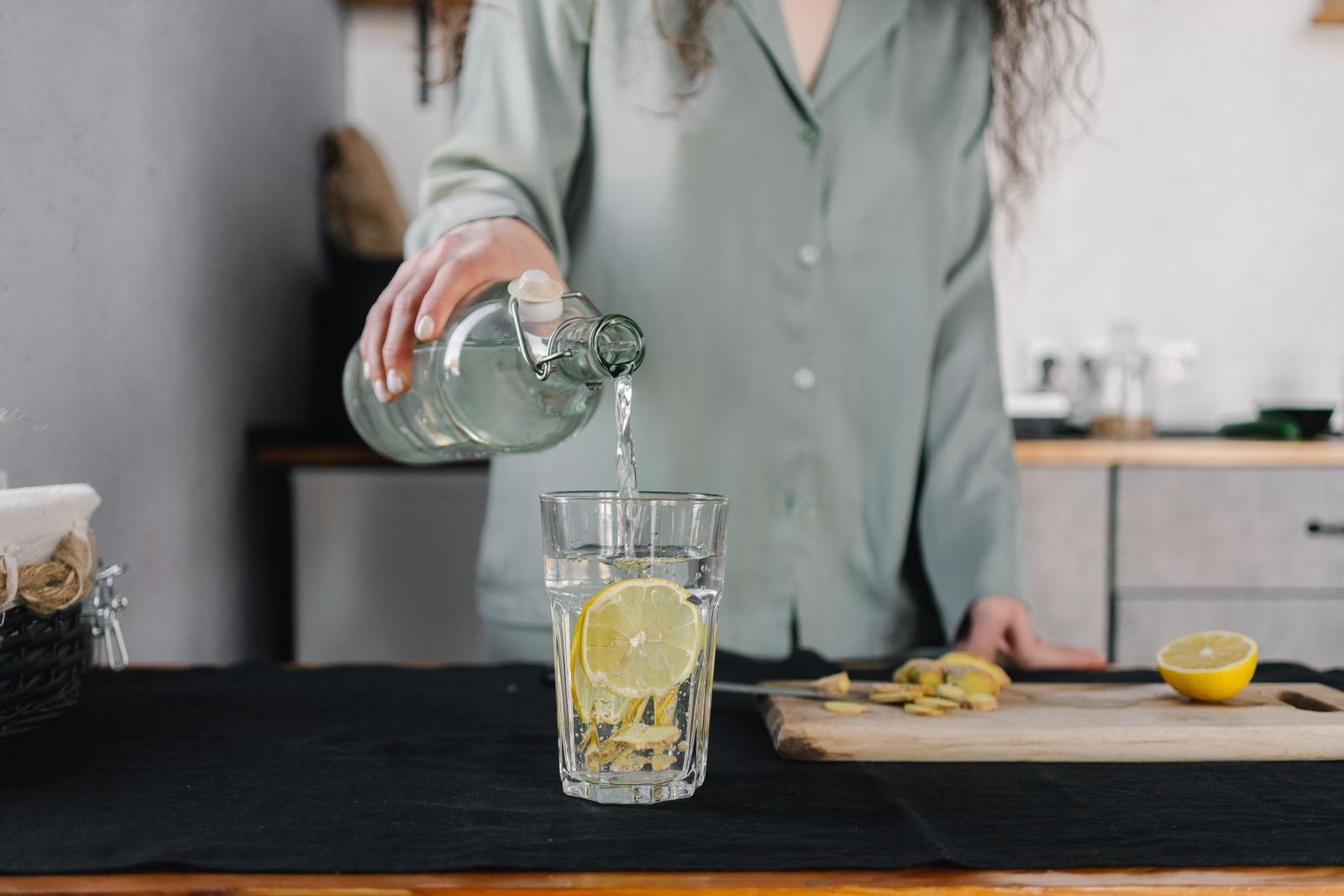
Geelong's winter is a hydration trap. The temperature at Eastern Beach dropped to 8 degrees last Tuesday morning, yet the Barwon Health community health team reports that dehydration-related presentations don't vanish once summer ends, they just get harder to spot. People stop feeling thirsty. They drink less. The body still needs water.
This matters right now because July in Geelong is peak dry-air season. The region's cold fronts sweep off Port Phillip Bay carrying low-humidity air that pulls moisture from skin and airways without triggering the obvious heat-driven thirst response most people associate with dehydration. Add indoor heating, common in the older federation-era homes clustered around Newtown and Belmont, and fluid loss across a typical day is higher than most residents expect.
What the numbers say about how much is enough
The Australian Dietary Guidelines recommend 2.1 litres of fluid daily for adult women and 2.6 litres for adult men, totals that include water found in food, which typically accounts for around 20 percent of intake. That leaves a daily drinking target of roughly 1.7 to 2.1 litres for most adults. In winter, many people hit barely half that. A 2023 Deakin University study, the university's Geelong Waurn Ponds campus sits about 12 kilometres south of the CBD, found that fluid intake among adults aged 45 to 70 dropped by an average of 340 millilitres per day between summer and winter months, a deficit that compounds across weeks.
The Geelong Waterfront parkrun, which draws between 250 and 400 participants most Saturday mornings at 8am along the Cunningham Pier foreshore, offers a useful illustration. Runners frequently finish the 5-kilometre course in winter without touching the water stations, reasoning that the cold means they sweated less. Exercise physiologists would push back on that logic: respiratory water loss during 30 minutes of moderate exertion in cold air can exceed 300 millilitres on its own.
Barwon Health's community dietitian services, accessible through a GP referral at University Hospital Geelong on Ryrie Street, have been running a winter hydration awareness push since June this year, specifically targeting older adults in the Corio and Norlane areas, postcodes where population health data shows higher rates of kidney-related hospital admissions. Chronic mild dehydration is a known contributing factor.
What to drink, and what to skip
Water remains the baseline. Tap water in Geelong, supplied by Barwon Water, meets all Australian Drinking Water Guidelines standards and costs households around $1.90 per kilolitre, making it far cheaper per litre than the $3.50 to $4.20 charged for 600-millilitre bottles at most Moorabool Street cafes. Plain herbal teas count toward fluid totals. Coffee and standard tea contribute too, despite the persistent myth that caffeine fully cancels hydration benefits; at moderate consumption, two to three cups daily, the net fluid gain is positive.
Sugary drinks and alcohol are a different story. A 375-millilitre can of cola delivers around 40 grams of sugar alongside its fluid, while alcohol actively suppresses the antidiuretic hormone that tells kidneys to retain water, meaning two standard drinks can leave you more dehydrated than before you started. Sports drinks, designed for exercise sessions exceeding 60 minutes, are unnecessary and calorie-dense for the average Saturday stroll along the Barwon River walking trail between Breakwater Road and Queens Park.
Practical starting points: carry a 750-millilitre reusable bottle and aim to refill it twice before dinner. Set a reminder on your phone for 10am and 2pm, the two windows when winter hydration most commonly lapses. If you use the Eastern Beach rock pool for winter swims, drink a full glass of water before you arrive; cold water immersion suppresses thirst for up to two hours afterwards. And if you are managing a health condition that affects kidney function, heart health or medication levels, speak with your GP or a Barwon Health dietitian before making significant changes to your fluid intake. General guidelines are a starting point, not a prescription.