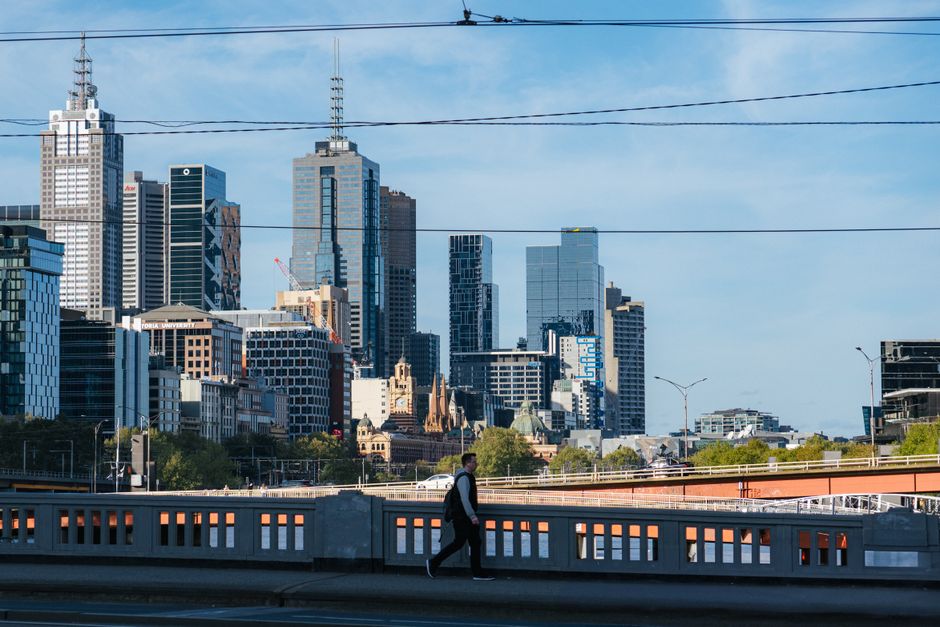
Geelong's commercial property sector is navigating treacherous waters in 2026, with office landlords confronting a perfect storm of economic headwinds that threaten to reshape the city's business landscape.
The downtown corridor—traditionally anchored by prime assets along Malop Street and the Gheringhap precinct—is experiencing mounting vacancy rates as businesses reassess their real estate strategies. Industry observers estimate office vacancy in central Geelong has crept above 12 percent, a significant shift from the sub-8 percent levels seen just three years ago. Coupled with modest rental growth that has stalled at 2.3 percent annually, landlords are increasingly offering incentives to retain tenants.
The hybrid work revolution continues to dampen demand. Professional services firms that once commanded multiple floors in heritage buildings near Johnstone Park are now consolidating operations, opting for smaller, hot-desking arrangements. This structural shift has created particular pressure on mid-range office stock, where competition for quality-conscious but cost-conscious tenants remains fierce.
Interest rate pressures are another critical factor. With benchmark borrowing costs remaining elevated, refinancing existing debt has become considerably more expensive for property owners. Several portfolio holders have quietly reduced their exposure to office assets, preferring the relative stability of industrial and logistics properties in the growing western corridor.
"The fundamentals have shifted," says analysis from the local Real Estate Institute. Development pipelines have slowed markedly, with only two significant office projects under construction in the greater Geelong area—a marked contrast to the early 2020s boom.
Technology infrastructure has become a differentiator. Modern, well-appointed spaces with reliable connectivity and flexible layouts in areas like Newtown have fared better than ageing stock, creating a two-tier market. Older buildings requiring substantial capital expenditure face particularly steep challenges securing long-term commitments.
Tenant flight to secondary markets presents another headwind. Some companies have relocated operations to regional hubs or to Adelaide and Brisbane, seeking lower occupancy costs without sacrificing access to Melbourne markets. This trend accelerated following the global economic uncertainty of recent years.
Yet not all signals are negative. Geelong's growing population and reputation as a technology and innovation hub continue to attract boutique firms and startups seeking affordable alternatives to Melbourne CBD pricing. Premium spaces in well-maintained buildings with contemporary amenities continue to attract interest, albeit at more modest rental rates than landlords might have anticipated.
For investors, the message is clear: the days of passive ownership generating reliable returns are over. Successful landlords are investing in building upgrades, offering flexible lease terms, and actively managing tenant relationships to navigate what promises to be a challenging 18 months ahead.
This article was compiled by AI from the sources linked above and screened before publishing. See our editorial standards.
Spread the word
Have your say
About this article
Published by The Daily Geelong
Daily brief
Enjoyed this? Wake up to Geelong news every morning.
Free, in your inbox before 7am. Weekdays.