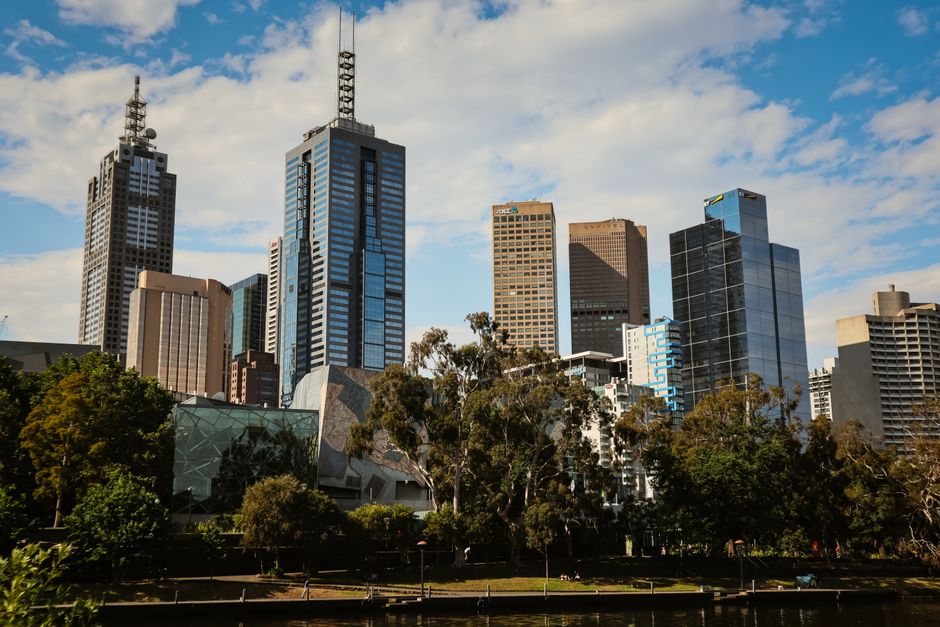
Geelong's much-vaunted startup ecosystem is hitting turbulence. Once heralded as a beacon of regional innovation, the cluster of tech firms, digital agencies, and early-stage ventures concentrated around the Kardinia Park precinct and the revitalised Waterfront district is now grappling with a convergence of challenges that threaten to slow momentum.
The headwinds are real and multifaceted. Commercial rents in premium innovation spaces along Brougham Street and around the Geelong Technology Park have climbed 18–22% over the past 18 months, squeezing margins for bootstrapped startups and forcing some founders to reconsider their footprint in the city. Concurrently, venture capital funding into regional Australian startups has contracted sharply—down approximately 34% year-on-year according to preliminary industry surveys—as investors retreat to safer bets in Sydney and Melbourne's established ecosystems.
"The capital drought is real," says one prominent Geelong innovation hub operator, requesting anonymity. "We're seeing fewer pitch events, less follow-on funding, and founders increasingly looking interstate." The city's lack of a deep institutional investor base compounds the problem, forcing local entrepreneurs to chase Melbourne-based VCs, a time-consuming and often fruitless exercise.
Talent retention has emerged as another critical pain point. Geelong's universities—Deakin and other tertiary providers—continue to produce skilled graduates in engineering, software development, and digital marketing. Yet many are migrating to Melbourne or further afield for career acceleration and lifestyle reasons. Rising housing costs across the city, while still cheaper than Melbourne, have also made it harder for startups to offer competitive salaries without straining already-tight cash reserves.
Macroeconomic uncertainty isn't helping. Interest rate pressures, supply chain disruptions stemming from global instability, and inflation eating into discretionary spending have made corporates more cautious about piloting new technologies. For B2B startups reliant on enterprise clients, deal cycles have lengthened and deal sizes have shrunk.
Yet not all indicators are grim. Several startups in advanced manufacturing, agritech, and health tech remain well-capitalised and are hiring. The Geelong Innovation District steering committee continues advancing infrastructure investments, including upgrades to co-working facilities and broadband capacity. And a small cohort of successful exits—including recent acquisitions by national firms—has kept local founder morale from cratering entirely.
Still, the sentiment among the startup community is cautious. Founders acknowledge that 2026 will be a year of consolidation and resilience-building rather than explosive growth. The question is whether Geelong can weather the storm and emerge with its innovation credentials intact.
This article was compiled by AI from the sources linked above and screened before publishing. See our editorial standards.

Spread the word
Have your say
About this article
Published by The Daily Geelong
Daily brief
Enjoyed this? Wake up to Geelong news every morning.
Free, in your inbox before 7am. Weekdays.