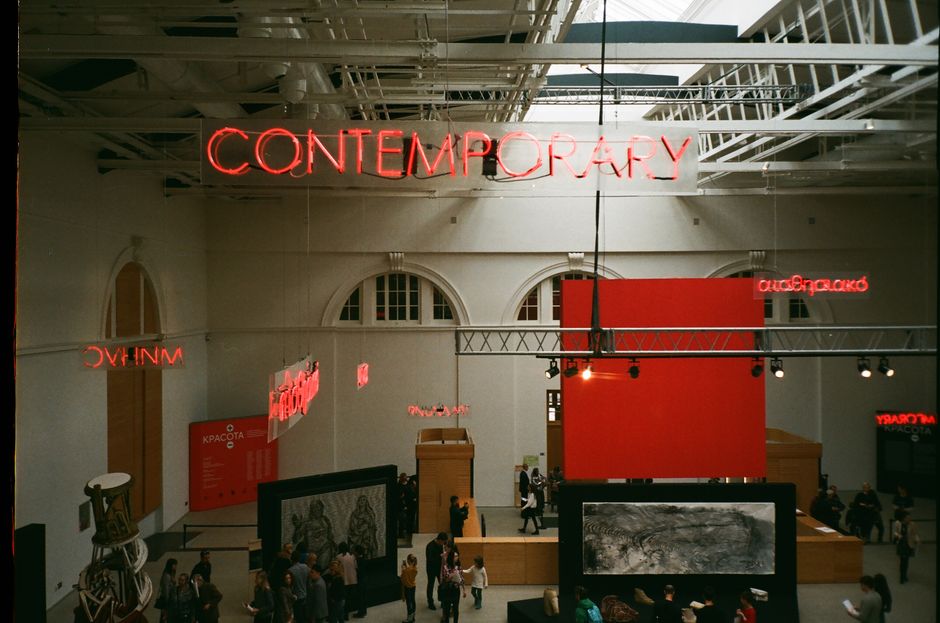
Walk along Gheringhap Street today and you'll encounter a thriving cultural corridor that bears little resemblance to the industrial landscape of three decades past. Geelong's gallery and museum scene has undergone a remarkable transformation, evolving from modest local initiatives into institutions that draw visitors from across the region and beyond.
The Geelong Gallery, established in 1896 on Little Myers Street, remains the cornerstone of this cultural renaissance. Originally housed in a single heritage building, the gallery's expansion in 2021 doubled its exhibition space to over 1,200 square metres, positioning it as one of Victoria's most significant regional art institutions. Its collection now spans colonial-era works to contemporary installations, reflecting the tastes and values of successive generations of Geelong residents.
Parallel to the Gallery's growth has been the evolution of the National Wool Museum on Moorabool Street. What began in the 1980s as a niche heritage project celebrating the city's wool-processing heritage has matured into a sophisticated cultural venue. The museum attracts approximately 45,000 visitors annually, many drawn by its sophisticated textile collections and rotating exhibitions that explore the intersection of craft, industry, and innovation.
The Geelong Museum itself—originally established in the 1920s—relocated to a purpose-built facility in 2009, where it now occupies a prime position overlooking the Barwon River. The move marked a symbolic shift: from archival outpost to dynamic civic institution. Its holdings have expanded to encompass Indigenous collections, decorative arts, and social history materials that tell Geelong's fuller story.
What's particularly striking is how independent galleries have flourished alongside these anchor institutions. Smaller venues like Heide Museum of Modern Art, located in nearby Bulleen, have developed collaborative relationships with Geelong-based curators and artists, creating an informal network that strengthens the entire ecosystem. Regular First Friday art walks, now attracting 500-1,000 participants monthly, demonstrate the community investment in this scene.
This evolution hasn't happened by accident. Strategic investment in the Geelong Arts Centre precinct, coupled with grassroots advocacy from curators and collectors, has fundamentally reshaped the city's cultural identity. Where once Geelong was defined by what it made, it's increasingly recognised for what it creates and preserves.
Today's visitor to Geelong's galleries and museums encounters spaces that speak to both heritage and contemporary creativity—institutions that have grown up alongside their city, mirroring its ambitions and transformations.
This article was compiled by AI from the sources linked above and screened before publishing. See our editorial standards.

Spread the word
Have your say
About this article
Published by The Daily Geelong
Daily brief
Enjoyed this? Wake up to Geelong news every morning.
Free, in your inbox before 7am. Weekdays.