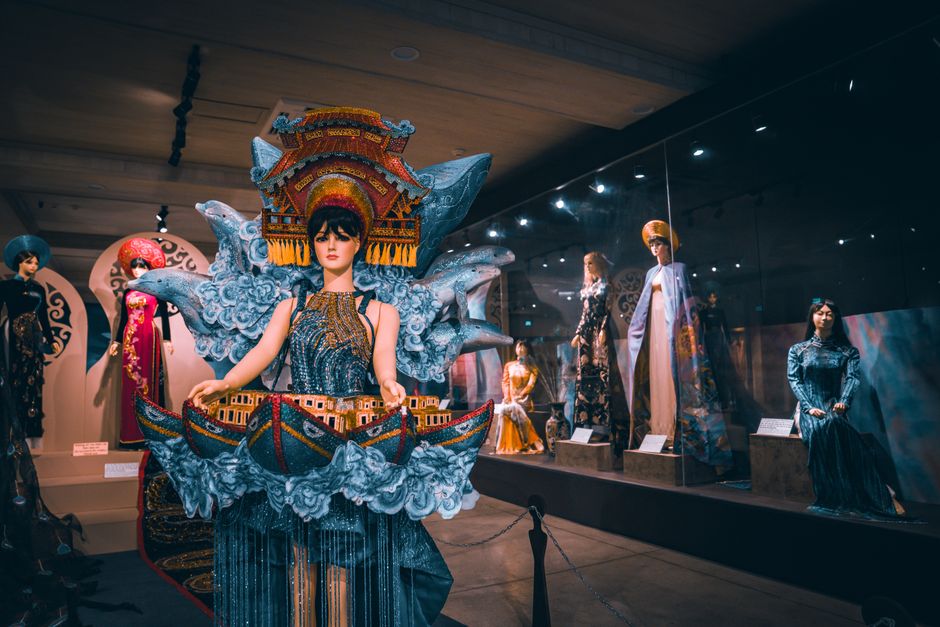
Walk through the laneways of Geelong's revitalised waterfront precinct and you'll notice something shifting in the city's creative DNA. Emerging fashion designers are establishing studios in converted warehouses along Brougham Street and the Gheringhap Quarter, signalling a generational transition in how Geelong positions itself within Australia's design landscape.
The numbers tell a compelling story. According to the Geelong Creative Industries Report 2025, fashion and textiles now represent 12% of the region's creative sector employment—up from 8% five years ago. More significantly, nearly 60% of emerging designers surveyed cited Geelong's lower operating costs and collaborative community as primary reasons for establishing their base here, rather than Melbourne or Sydney.
This wave of talent is distinctly different from previous cohorts. Rather than pursuing traditional wholesale models, these designers are leveraging digital platforms, sustainable practices, and hyper-local storytelling. Several have launched direct-to-consumer brands from modest studio spaces in the Bellerine Street precinct, with monthly turnover ranging from $15,000 to $85,000 within their first two years—respectable figures for emerging practitioners working independently.
The Geelong Arts Centre has become a crucial incubator. Their biannual Designer Showcase, held in the foyer space, attracts industry buyers, journalists, and collectors. Last year's autumn edition drew 2,400 visitors and generated media coverage valued at approximately $340,000 in equivalent advertising spend. The centre also runs the Emerging Makers Program, offering subsidised studio access and mentorship to designers under 30, with a current cohort of fourteen practitioners.
What distinguishes this cohort is their refusal to be boxed into singular disciplines. Many combine fashion with textile art, sustainable manufacturing, or community-engaged practice. Several have incorporated indigenous Australian design principles or explored zero-waste pattern-making—approaches that reflect broader cultural conversations about authenticity and environmental responsibility.
The infrastructure is rapidly developing to support this momentum. Pop-up retail spaces along Little Malop Street now regularly feature rotating designer collections. The newly established Geelong Design Collective—an informal network of twelve studios—has begun coordinating quarterly open studio events that draw collectors and curious locals alike.
Industry observers suggest this emerging cohort represents Geelong's strongest position yet within the national fashion conversation. Unlike previous eras when young designers treated Geelong as a stepping stone, these practitioners see genuine opportunity to build sustainable careers here. As one gallery curator recently noted, the question is no longer whether Geelong can nurture design talent, but whether the infrastructure can keep pace with demand.
This article was compiled by AI from the sources linked above and screened before publishing. See our editorial standards.
Spread the word
Have your say
About this article
Published by The Daily Geelong
Daily brief
Enjoyed this? Wake up to Geelong news every morning.
Free, in your inbox before 7am. Weekdays.