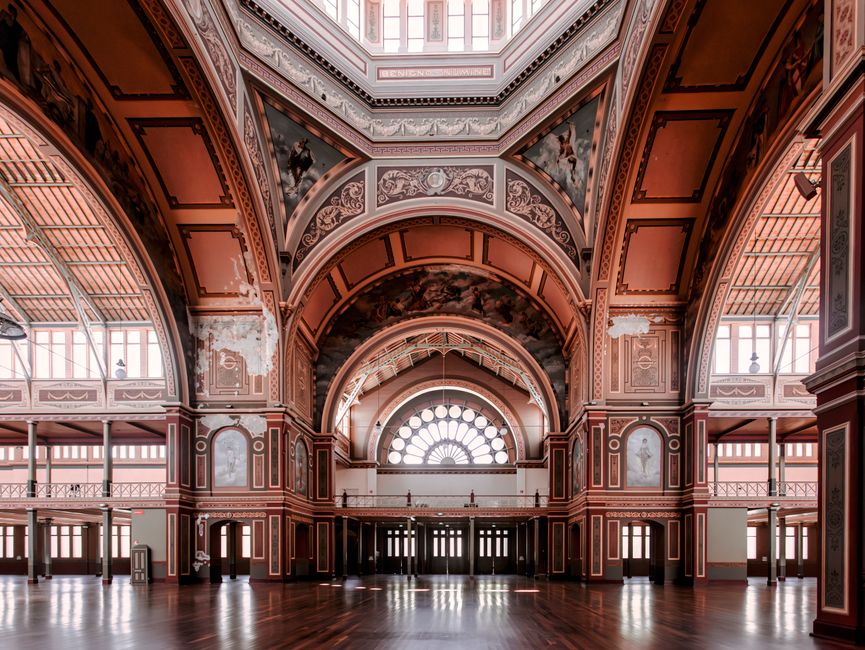
Walk past the Geelong Performing Arts Centre on Moorabool Street any evening this July and you'll notice something that wasn't true just two years ago: the foyer is packed. Not just full—genuinely buzzing with the kind of pre-show energy that suggests something meaningful is happening on our city's cultural stage.
The shift is real, and locals aren't quiet about it. Conversations at Harris Street's independent cafes and in Newtown's bookshops keep circling back to theatre. "Have you seen the GPAC program?" has become a genuine conversation opener, not a polite deflection.
Three factors explain why this moment matters. First, the Geelong Performing Arts Centre has finally completed its $8.2 million refurbishment—new seating, upgraded acoustics, a reimagined foyer space that actually invites lingering. The 1600-seat main theatre now hosts programming that rivals Melbourne venues, with recent seasons drawing audiences from as far as the Bellarine Peninsula.
Second, independent theatre groups operating from Pakington Street's creative precincts and smaller venues like those around the Geelong Library are programming with genuine ambition. Local companies are collaborating more freely, and independent artists aren't automatically heading to Melbourne anymore—they're staying, creating, and building audiences here.
Third—and perhaps most tellingly—ticket sales data suggests Geelong audiences are ready. Last month, five shows across the city's venues sold out or came close. Subscription packages for the second half of the year are tracking 34% higher than 2024 figures, according to venue operators. That's not a marginal increase. That's a fundamental shift in how residents view theatre-going.
The demographics matter too. Geelong's population has grown substantially, with younger creative professionals increasingly based here rather than commuting. The median age at GPAC shows has dropped noticeably. Weekend matinees, historically the domain of retirees, now draw mixed-age crowds.
What's particularly striking is the conversation around diversity. Programming now deliberately showcases First Nations work, culturally specific theatre from migrant communities, and experimental work that wouldn't have found a home here a decade ago. The Geelong arts calendar reflects who actually lives here.
Whether this constitutes genuine cultural infrastructure shift or a temporary surge remains to be seen. But ask anyone planning their weekend entertainment right now, and the answer is consistent: Geelong has become a place where you can have a proper night out at the theatre without needing a Melbourne train ticket.
That conversation—the fact that it's happening at all—is precisely why people are talking about it.
This article was compiled by AI from the sources linked above and screened before publishing. See our editorial standards.

Spread the word
Have your say
About this article
Published by The Daily Geelong
Daily brief
Enjoyed this? Wake up to Geelong news every morning.
Free, in your inbox before 7am. Weekdays.