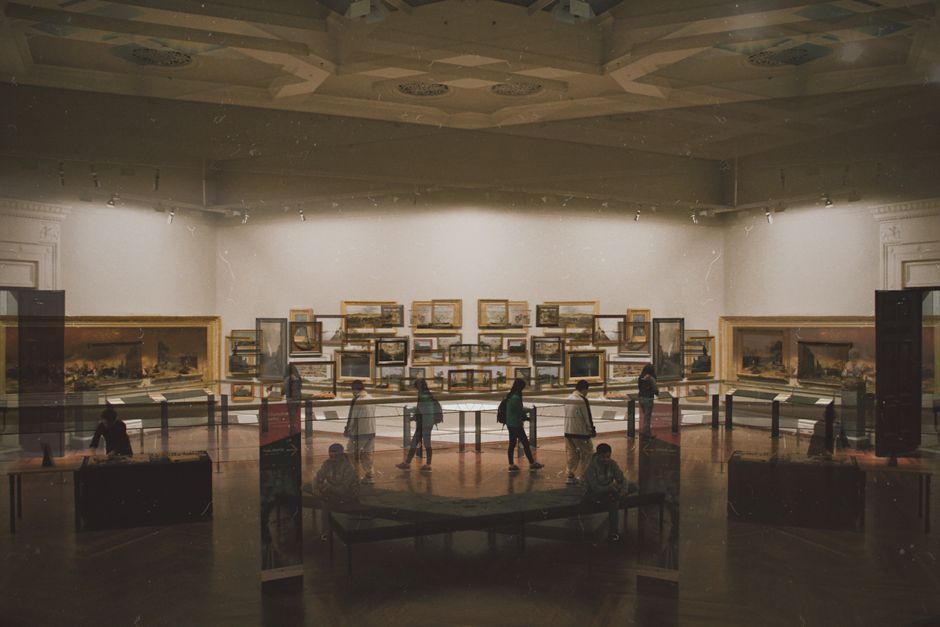
Walk down Little Malop Street on a Friday evening and you'll notice something has shifted. Where vacant shopfronts once gathered dust, independent galleries now pulse with activity—exhibition openings, artist talks, and the kind of conversation that signals a cultural renaissance underway.
This isn't the work of a single institution or major funding body. Instead, it's the result of a determined grassroots movement that has fundamentally altered how Geelong thinks about its arts infrastructure. Over the past three years, more than a dozen artist-run and community-supported galleries have emerged across the city, from the converted warehouse spaces of Bellerine Street to the revitalised laneways behind the Geelong Library precinct.
The shift reflects a broader frustration with traditional models. While the Geelong Gallery remains central to the city's cultural offering, many emerging artists found themselves without accessible exhibition spaces or affordable studio rental. The median cost of commercial gallery rental in Melbourne had become prohibitive for most local practitioners, pushing creatives to innovate—and to organise collectively.
"What we're seeing is genuine community agency," explains one emerging curator who has coordinated pop-up exhibitions across multiple neighbourhood hubs. "People aren't waiting for permission or institutional blessing. They're identifying unused spaces, building networks with landlords, and creating venues themselves."
The momentum has spread visibly. Across February, March and June—peak seasons for Melbourne's art calendar—Geelong now hosts coordinated gallery weekends that draw visitors from across regional Victoria. Local data suggests foot traffic to independent venues increased by approximately 40 per cent year-on-year through 2025, with particular growth among visitors aged 18-35.
What distinguishes this movement is its intentional focus on representation and access. Many grassroots galleries operate on sliding-scale donation models, artist-share commission structures, or pay-what-you-can admission policies. Several host workshops, mentorship programs and studio open days specifically designed to lower barriers for emerging practitioners and first-time gallery visitors.
The community's success hasn't gone unnoticed by institutional players. The Geelong Library and Heritage Centre has begun supporting grassroots venues through promotional partnerships, while local council has fast-tracked heritage listings for several character buildings now housing independent galleries.
As Geelong continues to establish itself as a serious cultural destination, this decentralised, community-led approach may prove to be its greatest asset. By distributing creative power across neighbourhoods and empowering artists to shape their own exhibition infrastructure, the city is building something genuinely distinctive—a gallery scene shaped by the communities it serves.
This article was compiled by AI from the sources linked above and screened before publishing. See our editorial standards.
Spread the word
Have your say
About this article
Published by The Daily Geelong
Daily brief
Enjoyed this? Wake up to Geelong news every morning.
Free, in your inbox before 7am. Weekdays.