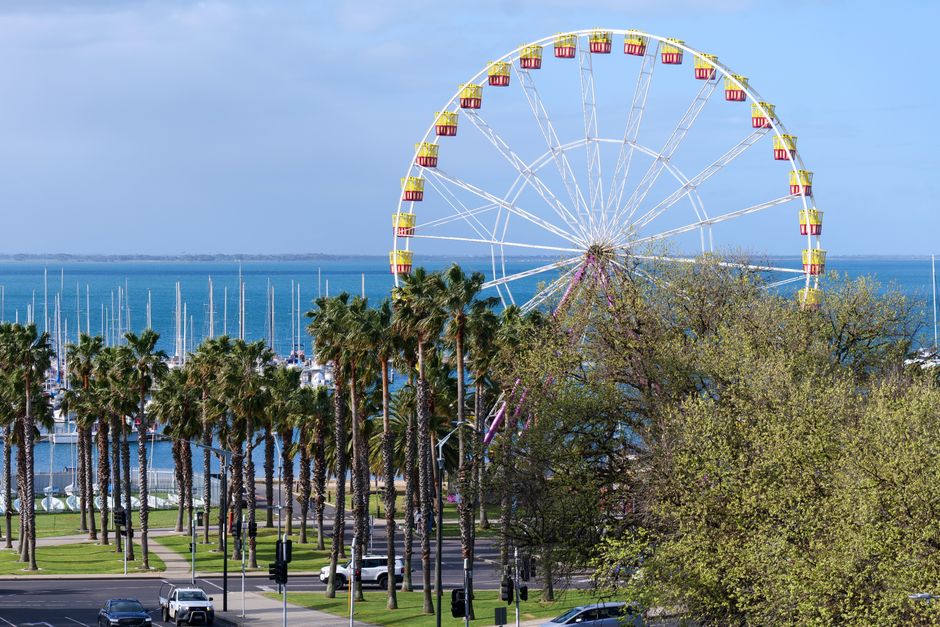
Walk down Moorabool Street on any given weekend in 2026, and you'll encounter a city thrumming with creative energy—food festivals spilling across Little Malop, emerging artists reclaiming industrial spaces in South Geelong, and crowds gathering at purpose-built venues that barely existed a generation ago. Yet this wasn't always the case.
The transformation of Geelong's festivals and events landscape represents one of Australia's most compelling case studies in cultural reinvention. In the early 1990s, the city's events calendar was sparse and largely inward-facing: local sports days, church fetes, and the occasional visiting theatre troupe. The Geelong Performing Arts Centre, which would eventually anchor the city's cultural ambitions, didn't open until 1994—a watershed moment that signalled serious commitment to hosting professional productions.
The real acceleration came after 2010, when strategic investment in the waterfront precinct and the revival of heritage areas like the Eastern Beach precinct began attracting organisers with bigger visions. The Geelong Festival, which evolved from humble beginnings, now draws over 150,000 visitors annually across its autumn iteration alone. Meanwhile, the Winter Festival programme—a more recent innovation—has successfully counter-programmed the quieter months, creating year-round reasons to visit.
What's striking is the geographic democratisation of Geelong's cultural spaces. Where festivals once clustered around the CBD and foreshore, they've now dispersed across the city. The Geelong Botanic Gardens host everything from world music to contemporary theatre. The old wool stores of South Geelong have been repurposed into intimate gallery spaces and performance venues. Even Bellerine Street's creative precinct—virtually nonexistent 15 years ago—now hosts regular street festivals and pop-up markets that generate $2-3 million in visitor spending annually, according to local economic analysts.
The programming itself has matured. Early festivals, while charming, often relied on repeating formulas. Today's Geelong events scene reflects genuine curatorial ambition: international artist residencies, Indigenous cultural showcases, and cutting-edge digital art installations sit alongside crowd-pleasing entertainment. The Geelong Comedy Festival, launched in 2018, now attracts headline acts and sells 8,000+ tickets across its fortnight run.
Perhaps most tellingly, the events calendar has become genuinely year-round and diverse. Where once the city's cultural reputation rested on a handful of autumn weeks, contemporary Geelong now sustains programming across theatre, visual arts, music, food culture, and design throughout all twelve months. That shift—from seasonal curiosity to cultural constant—captures the city's journey from aspiring to arrived.
This article was compiled by AI from the sources linked above and screened before publishing. See our editorial standards.
Spread the word
Have your say
About this article
Published by The Daily Geelong
Daily brief
Enjoyed this? Wake up to Geelong news every morning.
Free, in your inbox before 7am. Weekdays.