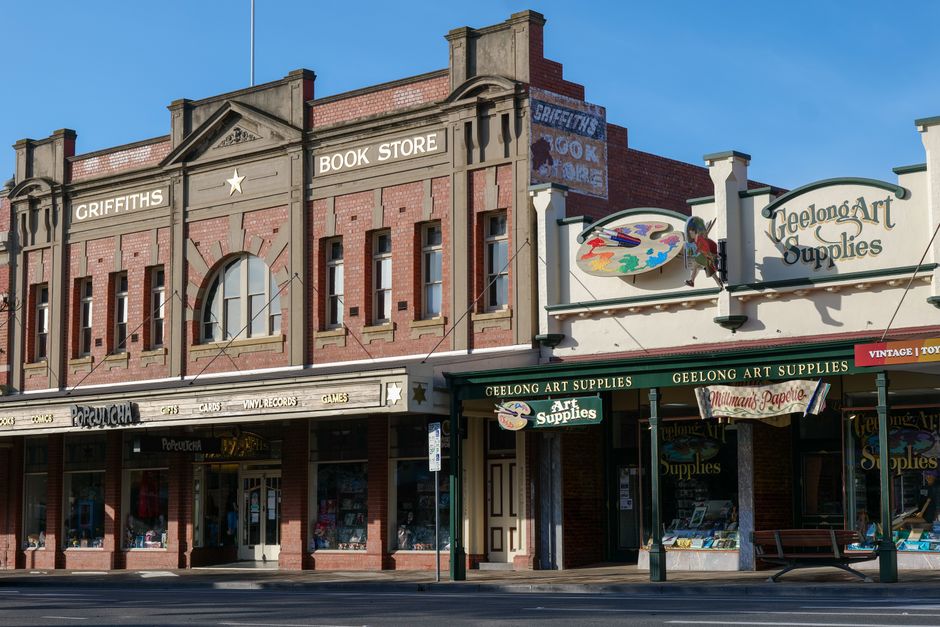
Geelong's cultural landscape has undergone a profound metamorphosis since the golden age of the picture palaces. What began as grand Victorian theatres lining Moorabool Street has evolved into a diverse ecosystem of venues, independent companies, and digital-native creators that now rival larger metropolitan centres in ambition and reach.
The city's theatrical heritage runs deep. The Geelong Performing Arts Centre, established in 1980 on the waterfront precinct, catalysed a renaissance after decades of decline. Before its opening, venues like the historic Leggat Theatre—once a jewel of the touring circuit—had shuttered or repurposed their stages. The GPAC's arrival signalled a turning point: a 1,500-seat main theatre capable of hosting touring productions, ballet, and opera, coupled with studio spaces nurturing local talent.
What's remarkable is how independent operators have filled the gaps. The Little Creatures Precinct on the Barwon now hosts experimental theatre and live performance alongside craft breweries, drawing crowds of 8,000–10,000 monthly. Venues like Bellerine Street's independent cinemas have become curators of cult classics and international films, catering to a city demographic increasingly hungry for non-mainstream content.
Statistics tell a story of growth. Geelong Theatre Company, founded in the 1990s, now produces six mainstage shows annually, with subscriber numbers exceeding 3,200. The city's film festival, launched in 2004, has grown from a 200-attendee weekend event to attracting over 15,000 visitors, showcasing 60+ features and documentaries each June. Local production companies have emerged too: three independent theatre collectives now operate regularly, generating original Australian work.
The pandemic accelerated digital transformation. By 2024, streaming performances had become normalised, allowing Geelong-based artists to reach global audiences. Ticket prices have remained competitive—GPAC mainstage shows average $45–65, significantly lower than Melbourne equivalents—maintaining accessibility despite rising production costs.
Today's Geelong differs fundamentally from its predecessors. Where Victorian theatres catered to prescribed entertainment hierarchies, contemporary venues prize diversity: from Indigenous storytelling at Naarm spaces, to LGBTQ+ cabaret nights in converted warehouse studios, to classical music series drawing international soloists. The Geelong Arts Precinct, completed in 2022, consolidated this evolution, housing rehearsal studios, galleries, and creative workspaces alongside the GPAC.
The trajectory reflects a broader cultural shift. Geelong has moved from consuming art imported from elsewhere to producing and distributing its own. That transformation—from passive audiences to active creators—remains the true story of this city's performing arts evolution.
This article was compiled by AI from the sources linked above and screened before publishing. See our editorial standards.
Spread the word
Have your say
About this article
Published by The Daily Geelong
Daily brief
Enjoyed this? Wake up to Geelong news every morning.
Free, in your inbox before 7am. Weekdays.