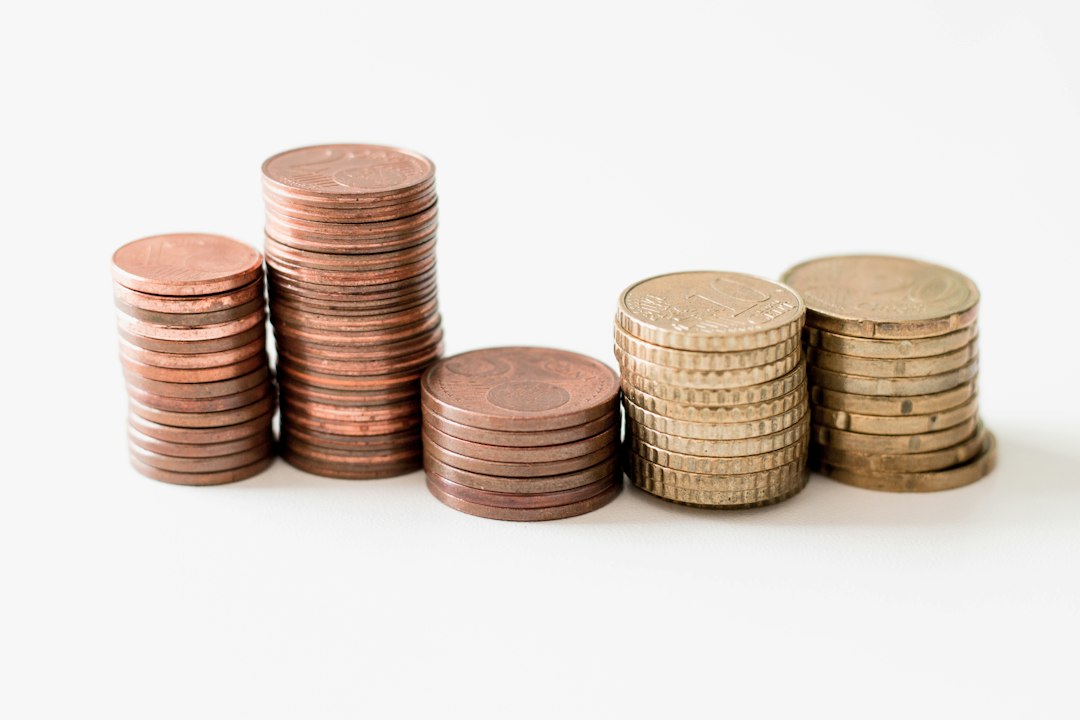
The cost of living comparison between Geelong and Melbourne is one that an increasing number of Victorians are making explicitly, as housing cost differences of 30-40 per cent compound over a working lifetime into wealth differences that can be transformative — the extra $200,000 to $400,000 not spent on a more expensive Melbourne home represents, invested over 20 years at 7 per cent annual return, a retirement fund difference of approximately $750,000 to $1.5 million.
The housing cost differential is the dominant factor in the Geelong-Melbourne cost comparison, as most other everyday costs are broadly comparable. Groceries in both cities are priced by the same duopoly, transport costs are somewhat lower in Geelong for residents who drive rather than commute to Melbourne, and entertainment and dining in Geelong's developing hospitality scene is on average 15-20 per cent below Melbourne equivalent quality venues. The V/Line commuter train cost — approximately $4,200 annually for a Zone 1-5 commuter pass — is a Geelong-specific cost that does not apply to Melbourne residents, but this is more than offset by the housing cost saving for most commuting households.
Childcare costs are broadly comparable between Geelong and inner Melbourne, with the government childcare subsidy applying equally regardless of location and the Geelong childcare market's mix of community and commercial providers offering comparable range to Melbourne's outer suburbs. Families who work from home or have flexibility in their childcare arrangements may find Geelong's residential scale makes the logistics of childcare pickup and school runs easier to manage than the distances involved in equivalent outer-Melbourne suburban living.
The net financial advantage of Geelong living for a dual-income professional couple buying a median house — estimated by several financial modelling exercises at $150,000 to $250,000 over a 10-year period — has been the primary driver of the sustained buyer migration from Melbourne to Geelong that has characterised the past decade of the city's population growth.
This article was compiled by AI from the sources linked above and screened before publishing. See our editorial standards.
Spread the word
Have your say
About this article
Published by The Daily Geelong
Daily brief
Enjoyed this? Wake up to Geelong news every morning.
Free, in your inbox before 7am. Weekdays.