Geelong's position at the western gateway to Melbourne's metropolitan area, combined with the road and rail connections that link it to Ballarat, the Surf Coast, and the Great Ocean Road tourism corridor, makes it the hub of a regional network whose economic geography it dominates as the largest commercial centre between Melbourne and Adelaide. The Geelong Ring Road, completed in 2008, transformed the city's freight and tourism geography, providing the bypass that allows through traffic to avoid the city centre while the commercial precinct on the western side of the ring road has attracted the big-box retail and logistics uses that ring road proximity generates.
The Melbourne to Geelong train corridor, with V/Line services every 30 minutes during peak periods and an hourly service through the day, provides the public transport connection that makes Geelong viable as a commuter city for Melbourne employment. The combination of the suburban-frequency service and the journey time of 60-80 minutes depending on stops gives Geelong a public transport quality relative to its distance from Melbourne that comparable distances in most other Australian capital city corridors cannot match.
The Bellarine Peninsula, the coastal arm that extends east from Geelong to Point Lonsdale and Queenscliff, provides the lifestyle and tourism geography that the sea change migration uses as its primary destination in the Geelong-adjacent region. The Bellarine's combination of wineries, cellar doors, the bay and ocean beaches, and the Queenscliff-Sorrento ferry that provides the Mornington Peninsula connection creates a coastal region of sufficient diversity to sustain both the permanent population growth and the strong tourism that the Bellarine has experienced.
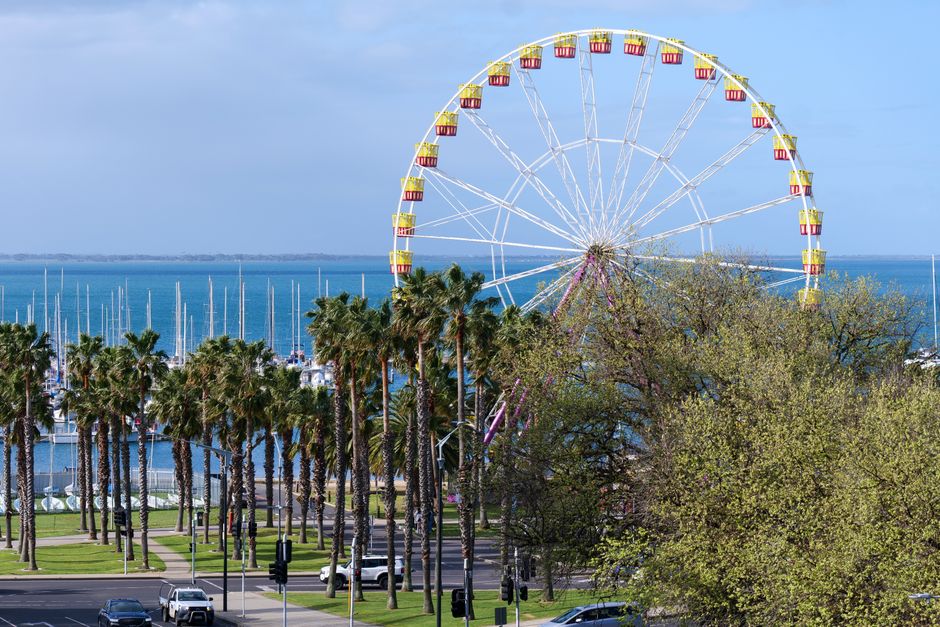
The investment in Geelong's CBD, including the significant public and private development of the waterfront precinct, the arts precinct, and the health and education facilities that have located in and around the city centre, reflects the commitment to Geelong as a self-sufficient regional capital rather than a suburb of Melbourne. The distinction between a satellite city that depends on Melbourne for its cultural and commercial life and a regional capital that provides these for its own population is the aspiration that Geelong's planning and investment has consistently pursued.
This article was compiled by AI from the sources linked above and screened before publishing. See our editorial standards.
Spread the word
Have your say
About this article
Published by The Daily Geelong
Daily brief
Enjoyed this? Wake up to Geelong news every morning.
Free, in your inbox before 7am. Weekdays.