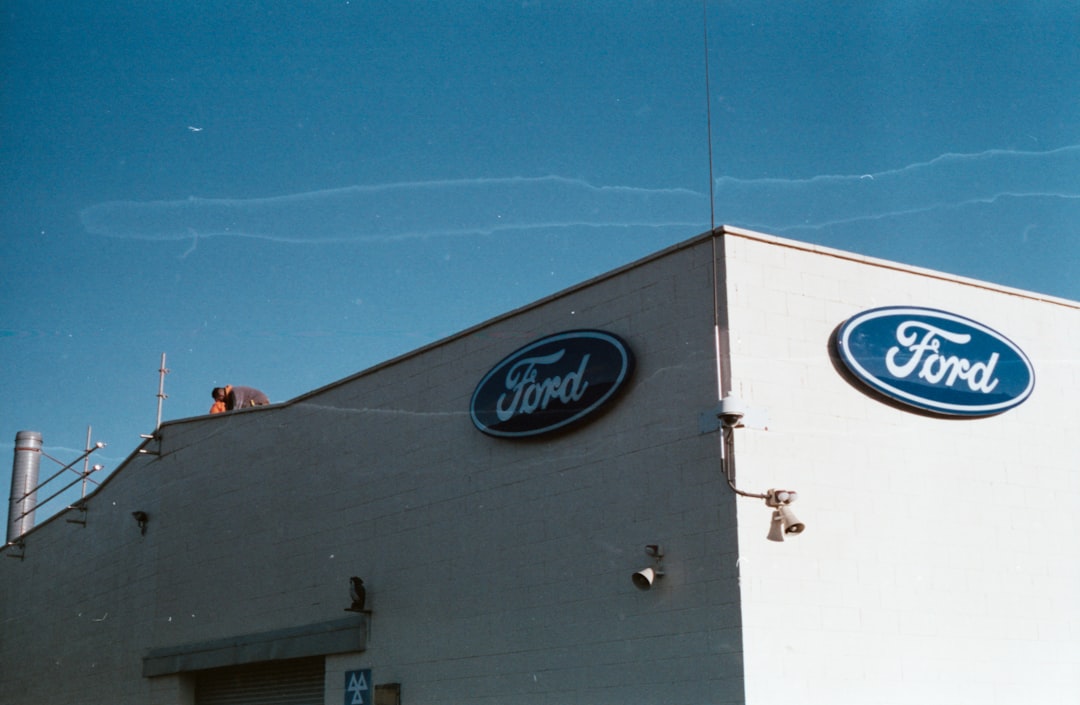
The closure of the Ford Australia manufacturing plant at Norlane in October 2016, the end of the 91-year history of Ford's Australian car manufacturing that the Broadmeadows and the Geelong plants had sustained since 1925, represented the most significant economic dislocation in Geelong's modern history and the catalyst for the economic reinvention that the city, the state government, and the federal government have pursued through the investment in the new industries, the retraining programs, and the innovation infrastructure that the post-automotive economic strategy required. The closure's impact, the direct loss of 600 Ford manufacturing jobs and the estimated 3,000 indirect jobs in the supply chain that served the Norlane plant, created the economic transition challenge that the Geelong community has responded to with the diversification strategy that the subsequent decade of economic development has implemented with the mixed success that the partial recovery of the manufacturing employment in the advanced manufacturing and the significant growth of the health, education, and professional services sectors represent.
The Carbon Nexus facility at Deakin University's Waurn Ponds campus, the carbon fibre research and demonstration facility that develops the advanced composite materials and the manufacturing processes that the aerospace, the automotive, and the industrial applications of carbon fibre require, represents the investment in the advanced manufacturing future that has emerged from the automotive manufacturing legacy in the knowledge-intensive materials technology that the carbon fibre research creates. The facility's research output and the industry partnerships that the aerospace and the automotive OEMs maintain with the Carbon Nexus team sustain the cutting-edge materials research that creates the intellectual property and the manufacturing process knowledge that the advanced manufacturing future is built on.
The Geelong Renewal Authority, the state government body created in response to the automotive closures to coordinate the economic development investment and the urban renewal programs that the transition required, has coordinated the development of the former industrial lands and the new business precincts that the diversification strategy has directed the investment toward. The Geelong City Deal, the federal-state-local government investment package that committed $370 million to the Geelong region, provided the infrastructure investment in the health precinct, the education facilities, and the public domain improvements that the economic diversification required to attract the new industries and the workforce that the health and the professional services growth sectors need.
The health services sector, anchored by Barwon Health's University Hospital Geelong and the private hospitals and the specialist medical practices that the growing regional population sustains, has become the largest employer in the Geelong economy and the sector whose employment growth has most significantly offset the manufacturing job losses. The health sector's employment growth, driven by the ageing population's increasing demand for the health services and the government investment in the health infrastructure that the Geelong City Deal and the state health capital programs have delivered, creates the replacement employment for the manufacturing job losses that the automotive closures created, though in the different skill profile that the health workforce requires compared to the trades and the technical skills that the automotive manufacturing employed.
This article was compiled by AI from the sources linked above and screened before publishing. See our editorial standards.
Spread the word
Have your say
About this article
Published by The Daily Geelong
Daily brief
Enjoyed this? Wake up to Geelong news every morning.
Free, in your inbox before 7am. Weekdays.