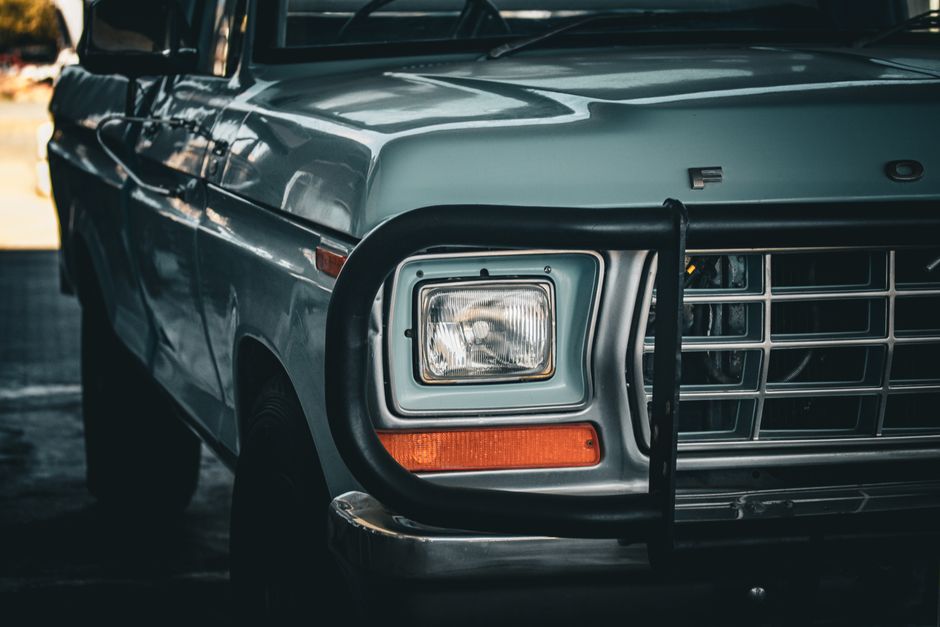
The closure of Ford's Geelong manufacturing plant in October 2016, along with the simultaneous closures of Holden and Toyota elsewhere in Victoria and South Australia, ended 87 years of Australian car manufacturing and represented the most significant industrial transition that Geelong had faced since the wool trade's decline. The factory that had employed thousands of Geelong workers and sustained the supply chain businesses that supported it was silent within two years of the closure announcement, creating the challenge of reemploying workers, repurposing the industrial land, and finding the industries that would sustain the city's employment base in the post-manufacturing era.
The transition has been more successful than the pessimistic predictions at the time of the closures suggested. The combination of the defence sector growth, including the HMAS Cerberus expansion and the Australian Army's Geelong facilities, the development of the health and education precincts around Deakin University and the Barwon Health network, and the sustained sea change and lifestyle migration from Melbourne that has expanded the service economy, has provided the employment base that the manufacturing closures threatened to remove.
The former Ford Geelong site has been the subject of redevelopment planning that aims to transition the industrial land to mixed-use development incorporating commercial, residential, and technology precinct uses. The scale of the site, its proximity to the Geelong CBD and the waterfront, and the infrastructure services that the industrial precinct concentrated make it one of the most significant urban development opportunities in regional Victoria.
The institutional knowledge of advanced manufacturing that the workforce trained in the automotive industry retains has been redirected to the defence industry, the food processing sector, and the advanced manufacturing businesses that have recognised the skills that former Ford workers possess. The Geelong manufacturing tradition, rather than ending with the car factory's closure, has proven transferable to the next generation of manufacturing industries that the region is developing.
This article was compiled by AI from the sources linked above and screened before publishing. See our editorial standards.
Spread the word
Have your say
About this article
Published by The Daily Geelong
Daily brief
Enjoyed this? Wake up to Geelong news every morning.
Free, in your inbox before 7am. Weekdays.