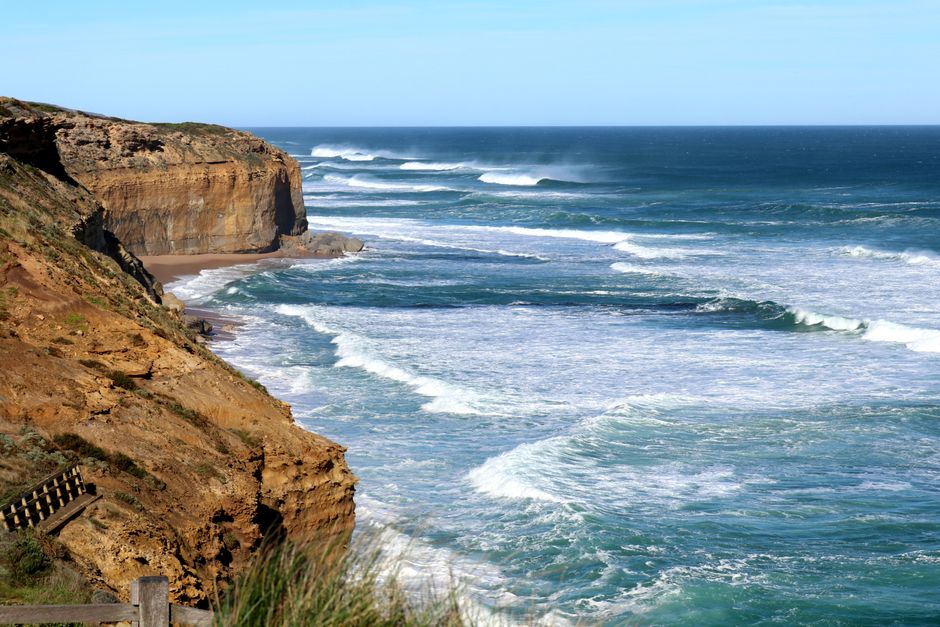
The Great Ocean Road, the 243-kilometre coastal highway that the World War I veterans built between 1919 and 1932 as a memorial to the fallen soldiers and as the employment project for the returned servicemen that the postwar depression and the rural economic downturn left without work, begins at the Surf Coast township of Torquay 20 kilometres southeast of Geelong and continues through the coastal communities of Anglesea, Lorne, Apollo Bay, and the Otway Ranges before reaching the Twelve Apostles and the shipwreck coast that the road's most photographed landscapes create as the iconic Australian coastal scenery that the international tourism markets access from the Melbourne base through the Great Ocean Road day tour and the multi-day driving itinerary. The road's proximity to Geelong makes the city the natural base for the eastern Great Ocean Road exploration, the Torquay to Lorne section of the road whose surf culture, the rainforest gorges, and the seaside resort towns create the most accessible and the most visited portion of the road in the day trips from Geelong and Melbourne that the short driving distance from both cities supports.
Anglesea, the coastal resort town 45 kilometres from Geelong where the Anglesea River meets the sea in the sheltered estuary that the kangaroo colony on the Anglesea Golf Course has made the most-photographed wildlife encounter on the Great Ocean Road, provides the first major stopping point on the road west of Torquay and the community that the Geelong families use for the summer beach holiday and the weekend retreat that the Anglesea beach and the holiday house tradition sustain as the most popular family holiday destination in the Surf Coast region for the Geelong and the Melbourne families who have maintained the holiday house connection to Anglesea across the generations. The Anglesea heath, the fire-adapted heathland east of the town that the wildflower diversity and the koala population create as the natural heritage of the Anglesea area, provides the botanical and the wildlife interest that the Great Ocean Road visitor uses for the nature walk alongside the beach visit that the Anglesea day sustains.
Lorne, the most established and the most celebrated of the Great Ocean Road resort towns whose Cumberland River valley and the Erskine Falls create the natural setting and whose Mountjoy Parade restaurants, the cafes, and the heritage guesthouses sustain the resort town character that has drawn the Melbourne and the Geelong visitor since the road's opening, provides the complete resort town experience that the Great Ocean Road visitor uses for the longer stay that the town's attractions and the atmosphere sustain beyond the single day visit. The Lorne Pier to Pub swim, the annual ocean swimming event from the Lorne offshore pier to the hotel bar at the ESS Sawtell's that draws the thousands of swimmers in the Boxing Day swimming event that has become one of the most popular coastal community events in Victoria, reflects the community identity of the Lorne that the local events and the traditions have created over the century of the resort town's existence.
The Twelve Apostles, the limestone sea stacks in the Port Campbell National Park 250 kilometres west of Geelong that the Southern Ocean has carved from the coastal limestone cliffs in the geological erosion process that will eventually reduce the current eight remaining stacks to none as the wave action continues the collapse that has already reduced the count from the original twelve of the landmark's name, provide the Great Ocean Road's most photographed and most internationally recognised attraction and the geological wonder that the helicopter tour, the clifftop viewing platforms, and the sunset photography that the visitor uses to experience the scale and the drama of the sea stacks against the Southern Ocean swell create as the defining Great Ocean Road image. The drive from Geelong to the Twelve Apostles, the four-hour journey that traverses the full variety of the Great Ocean Road's scenery from the surf beaches of the Surf Coast to the temperate rainforest of the Otway Ranges and the dramatic sea stack coastline of the Port Campbell National Park, creates the complete Great Ocean Road day that the visitor who wants the iconic Australian coastal drive experience uses the Geelong or the Melbourne base to access.
This article was compiled by AI from the sources linked above and screened before publishing. See our editorial standards.
Spread the word
Have your say
About this article
Published by The Daily Geelong
Daily brief
Enjoyed this? Wake up to Geelong news every morning.
Free, in your inbox before 7am. Weekdays.